Hydraulic System Maintenance for Your Two Post Lift
A two post car lift is a workhorse in auto repair shops, enabling mechanics to safely elevate vehicles for undercarriage work. At the heart of its operation lies the hydraulic system, which powers the lift’s smooth ascent and descent. Proper maintenance of this system is critical for ensuring the longevity, safety, and reliability of two post automotive lift and two post car hoist models. Xianxian longge Auto Maintenance tools Co.,Ltd., a professional manufacturer with over two decades of experience, crafts high-quality auto maintenance tools, including reliable two post lifts known for stability and safety. Their commitment to quality and service makes them a trusted partner for wholesalers seeking top-tier equipment. This article outlines essential hydraulic system maintenance practices for two post lifts, helping wholesalers guide clients in keeping their equipment in peak condition.
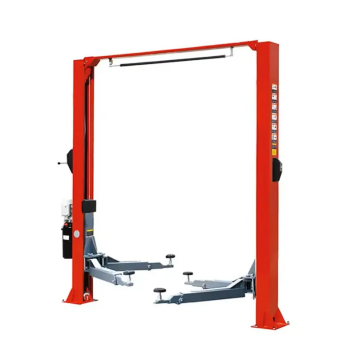
Key Components of Two Post Automotive Lift Hydraulic Systems
- Hydraulic Pump in Two Post Car Lift: The hydraulic pump is the powerhouse of a two post car lift,generating the pressure needed to raise the lift arms. It draws hydraulic fluid from the reservoir and pushes it through the system, converting mechanical energy into hydraulic force. Regular inspection of the pump for leaks or unusual noises is vital, as issues here can disrupt the entire lifting process.
- Cylinders in Two Post Car Hoist: Two post car hoist models feature hydraulic cylinders that extend and retract to lift or lower the vehicle. These cylinders rely on sealed chambers and hydraulic fluid pressure to function. Checking for cylinder leaks, dents, or corrosion is essential— even minor damage can compromise lifting capacity and safety.
- Fluid Reservoir in Two Post Automotive Lift: The reservoir stores hydraulic fluid, ensuring a steady supply to the pump and cylinders. It also helps dissipate heat and trap contaminants. Maintaining proper fluid levels and keeping the reservoir clean are simple yet critical tasks for two post automotive lift maintenance, preventing pump damage and ensuring smooth operation.
Step-by-Step Hydraulic Fluid Maintenance for Two Post Car Lift
- Check Fluid Levels Regularly: For a two post car lift, verify hydraulic fluid levels with the lift in its fully lowered position. The fluid should reach the designated fill line on the reservoir— too little can cause the pump to cavitate, while overfilling may lead to leaks. Use the manufacturer-recommended fluid type (typically ISO 32 or 46 hydraulic oil) to maintain viscosity and performance.
- Inspect Fluid Condition: Hydraulic fluid in a two post car hoist should be clear to amber in color. If it appears cloudy, brown, or contains particles, it’s time for a change. Contaminated fluid can clog valves and wear down components, reducing efficiency and increasing repair costs. Wholesalers can advise clients to schedule fluid changes every 6–12 months, depending on usage.
- Replace Filters and Clean Reservoir: When changing fluid in a two post automotive lift, replace the hydraulic filter to trap debris. Additionally, drain the reservoir and wipe it clean with a lint-free cloth to remove sludge or sediment. This prevents contaminants from re-entering the system, extending the life of pumps and cylinders.
Preventive Maintenance Tasks for Two Post Car Hoist Hydraulics
|
Maintenance Task |
Frequency |
Purpose for Two Post Car Lift |
|
Inspect Hoses and Fittings |
Weekly |
Detect leaks or cracks that could cause pressure loss. |
|
Lubricate Moving Parts |
Monthly |
Ensure smooth operation of lift arms and hydraulic valves. |
|
Test Pressure Relief Valve |
Quarterly |
Verify it activates at the correct pressure to prevent overloading. |
|
Bleed Air from the System |
As Needed |
Remove air bubbles that cause spongy lifting or uneven movement. |
This table helps wholesalers outline a proactive maintenance schedule for clients, ensuring two post car hoist hydraulic systems remain reliable.
Troubleshooting Common Hydraulic Issues in Two Post Automotive Lift
- Slow or Uneven Lifting in Two Post Car Lift: If a two post car lift rises slowly or unevenly, air in the hydraulic system is often the culprit. Bleed the system by opening the bleed valves while raising the lift slightly, allowing air to escape. If the issue persists, check for clogged filters or worn pump components— replacing these restores proper flow and pressure.
- Hydraulic Leaks in Two Post Car Hoist: Leaks in a two post car hoist can occur at hose connections, cylinder seals, or pump gaskets. Tighten loose fittings first; if leaks continue, replace damaged hoses or seals immediately. Ignoring leaks leads to fluid loss, reduced pressure, and potential system failure, putting mechanics and vehicles at risk.
- Unusual Noises from the Pump: A noisy pump in a two post automotive lift may indicate low fluid levels, a clogged filter, or worn bearings. To diagnose, check fluid levels and replace the filter. If noise persists, the pump may need professional servicing or replacement— Xianxian longge offers replacement parts and support to address such issues promptly.
Two Post Car Lift FAQS
How Often Should Hydraulic Fluid Be Changed in a Two Post Automotive Lift?
For a two post automotive lift, hydraulic fluid should be changed every 6–12 months, depending on usage. Heavy-duty shops with daily use may need more frequent changes (every 6 months), while occasional use allows for annual changes. This prevents fluid degradation and component wear.
What Causes a Two Post Car Hoist to Drop Slowly When Lowering?
A slow drop in a two post car hoist often stems from a worn control valve or a leak in the hydraulic cylinder. Inspect the valve for debris or wear, and check cylinder seals for damage. Replacing these components restores proper flow control, ensuring safe, controlled lowering.
Can I Use Any Hydraulic Fluid in a Two Post Car Lift?
No, always use the fluid specified by the manufacturer for a two post car lift. Using the wrong viscosity or type can damage seals, reduce lubrication, and impair performance. Most lifts require ISO 32 or 46 hydraulic oil— wholesalers can supply compatible fluids alongside lift systems.
How Do I Test the Pressure in a Two Post Automotive Lift Hydraulic System?
To test pressure in a two post automotive lift, use a hydraulic pressure gauge connected to the system’s test port. Operate the lift to its maximum height; pressure should match the manufacturer’s specifications (typically 2,500–3,000 PSI). Low pressure indicates a pump or leak issue, while high pressure may mean a faulty relief valve.
Where Can Wholesalers Source Reliable Two Post Car Lift Systems?
Xianxian longge Auto Maintenance tools Co.,Ltd. offers high-quality two post car lift and two post car hoist models, designed for durability and safety. Visit their website to explore their product range and partner with a trusted manufacturer in auto maintenance eq
Products categories
-
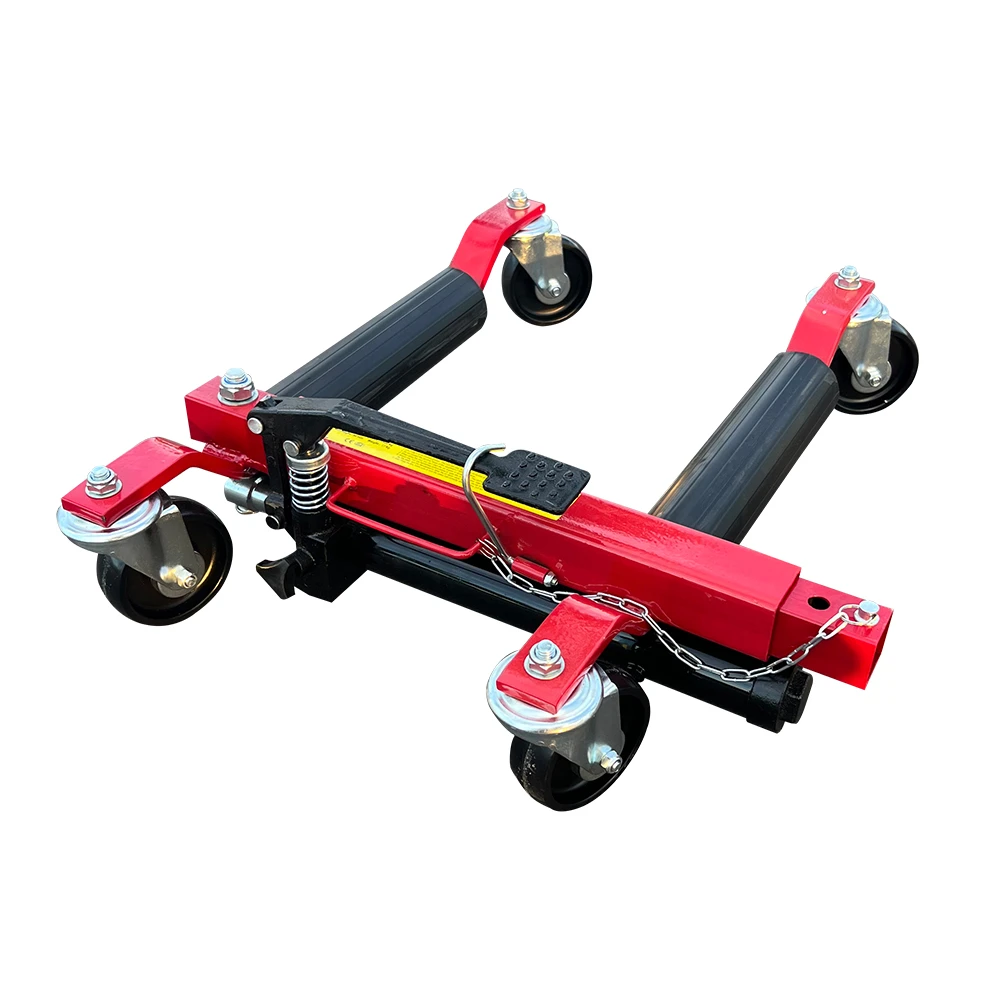
Car Jack Vehicle Mover Tow Dolly Universal Moving Tool Wheel Towing Trailer tools automatic car jack
-
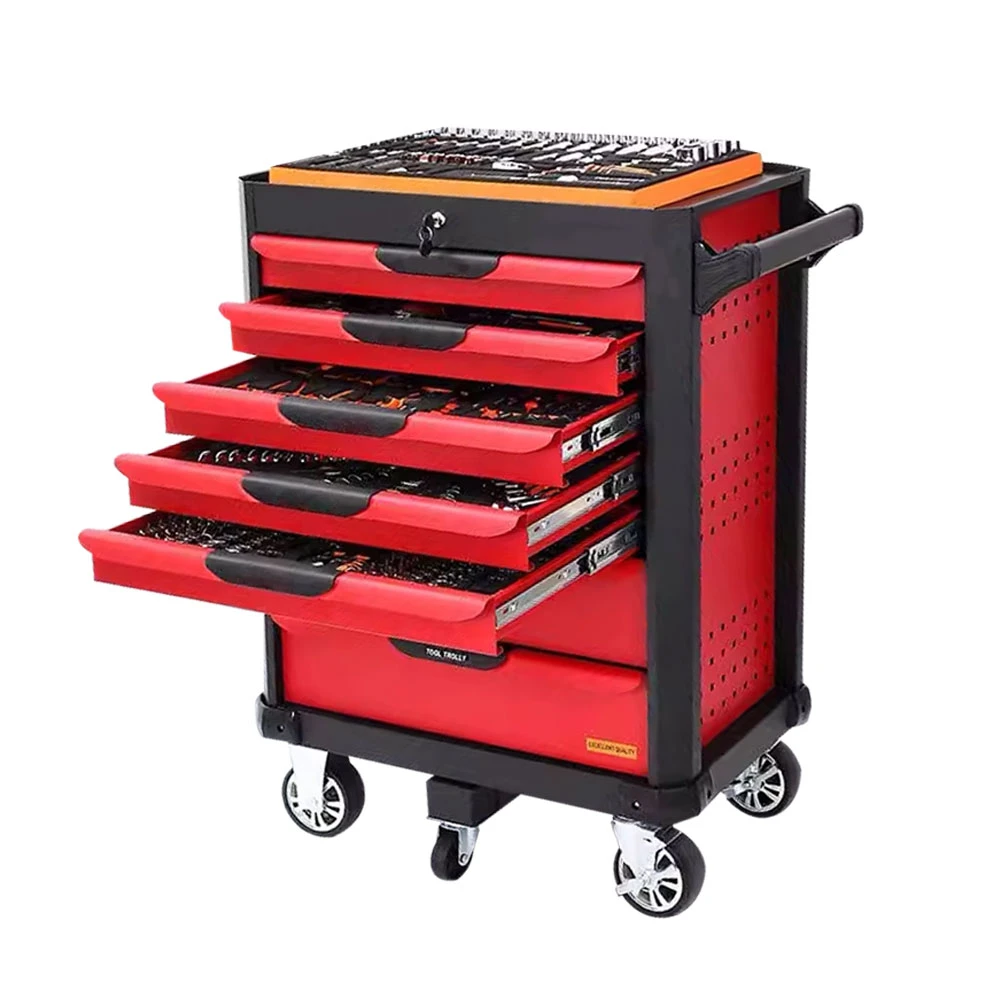
Professional All kind of Tools with Tool Cabinet, Workshop Trolley Cabinet
-
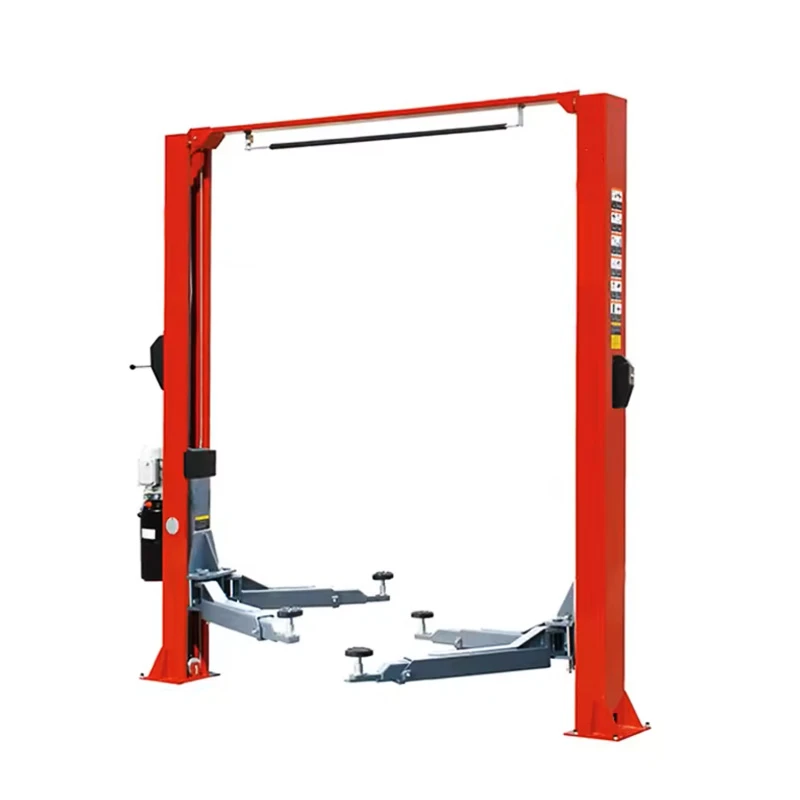
Electric Release Gantry Lifter 5t Two Post Hydraulic Used Truck Car Lifts For Sale
-
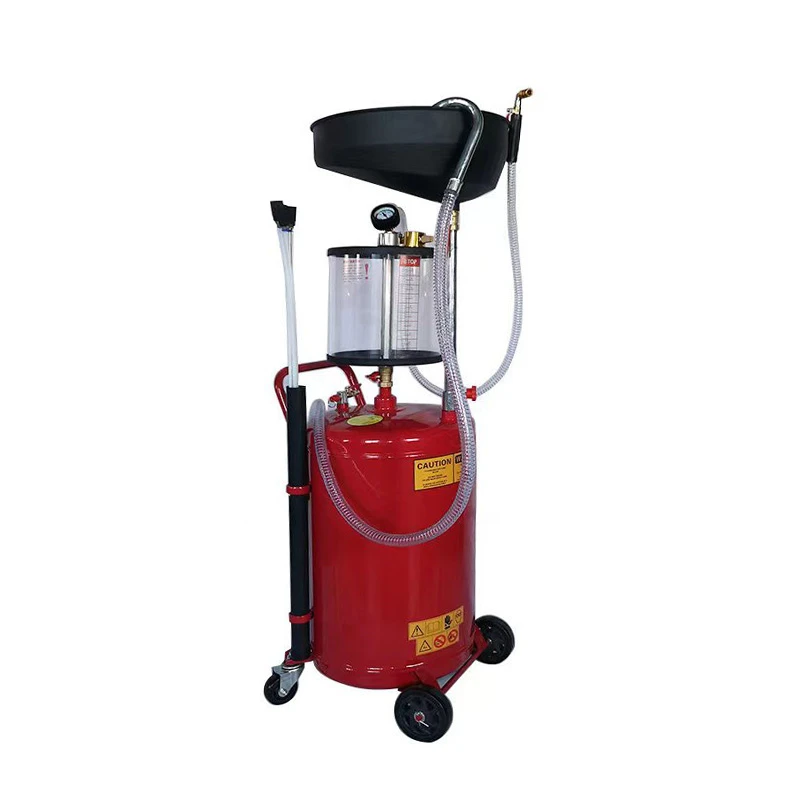
KJ-3197 Pneumatic Oil Extractor Waste Oil Changer Drainer with Lift Tank Auto Repair Tool
-
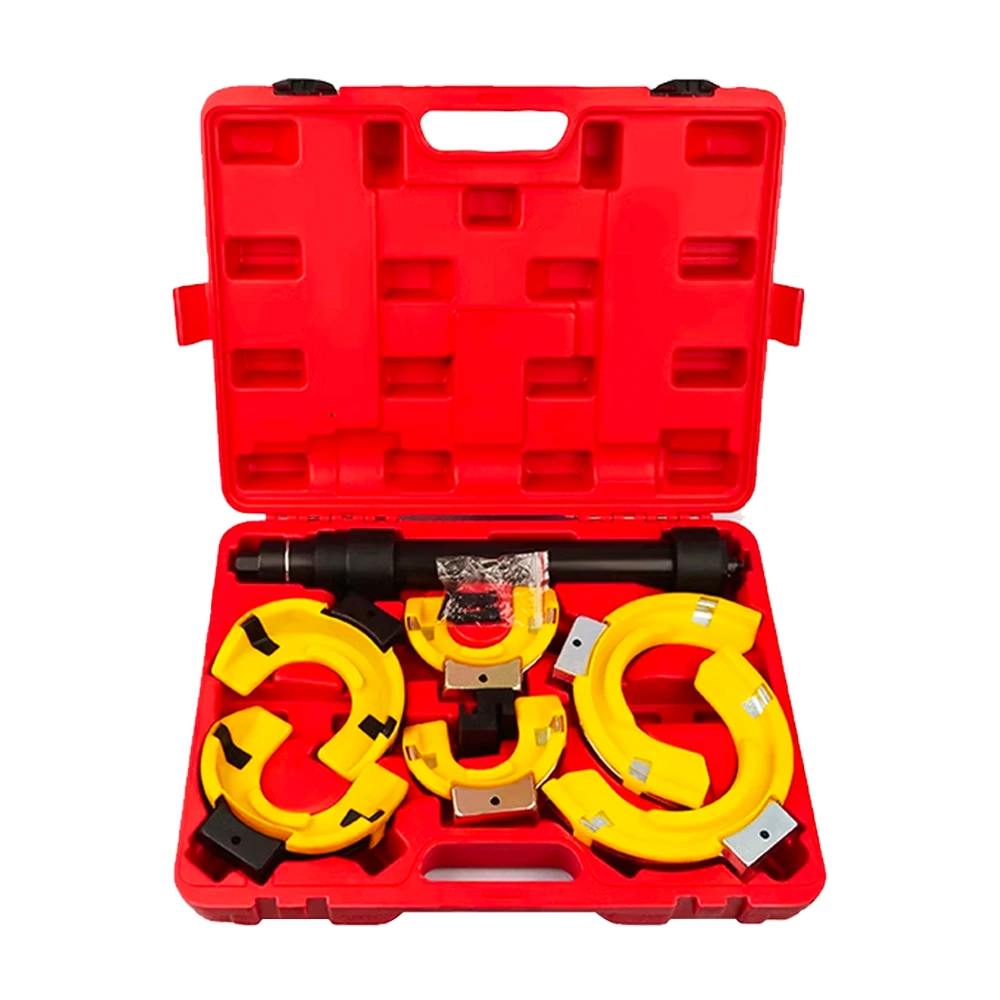
Powerful Spring Dumper Extractor Replaceable Shock Absorb Tools Strong Shock Absorber Spring Compressor Set
-
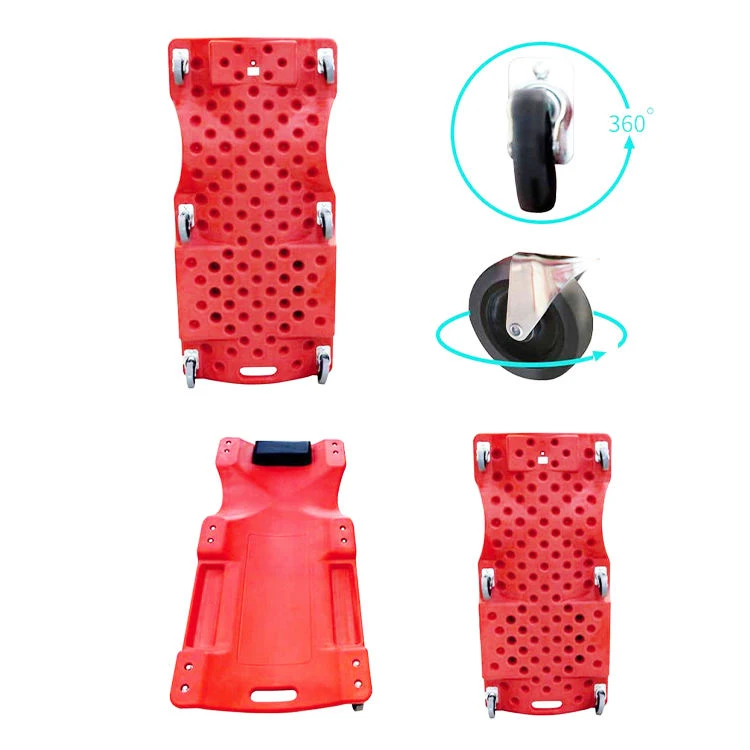
40 Inch 6 Wheel Plastic Workshop Garage Mechanics Tool Creeper Trolley Car Automotive Repair Mechanics Creeper
-
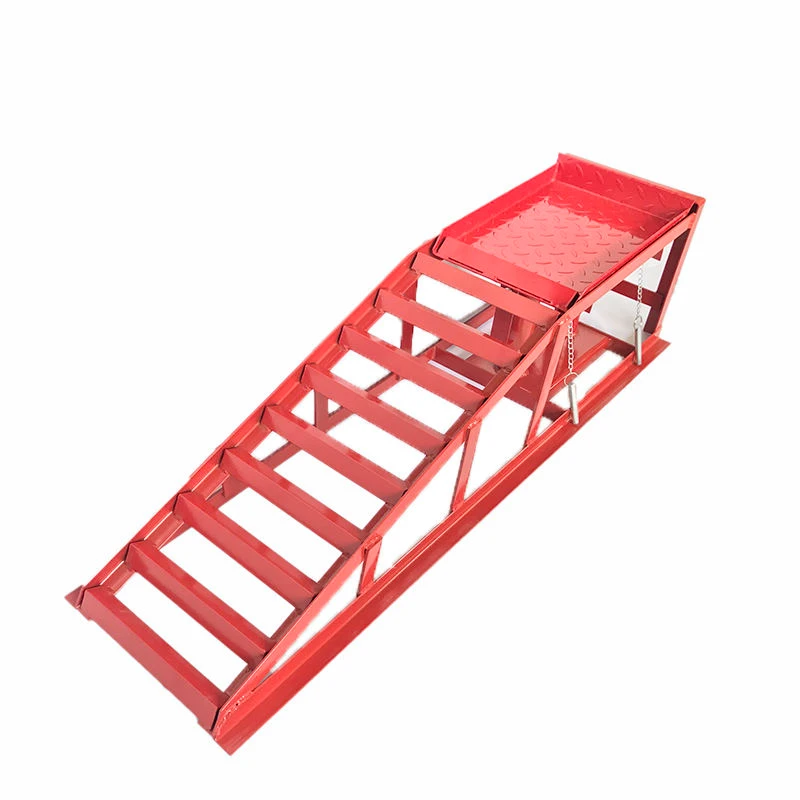
Plastic Car Ramp High Lift Auto Vehicle Car Ramp Portable Car Service Ramps
-
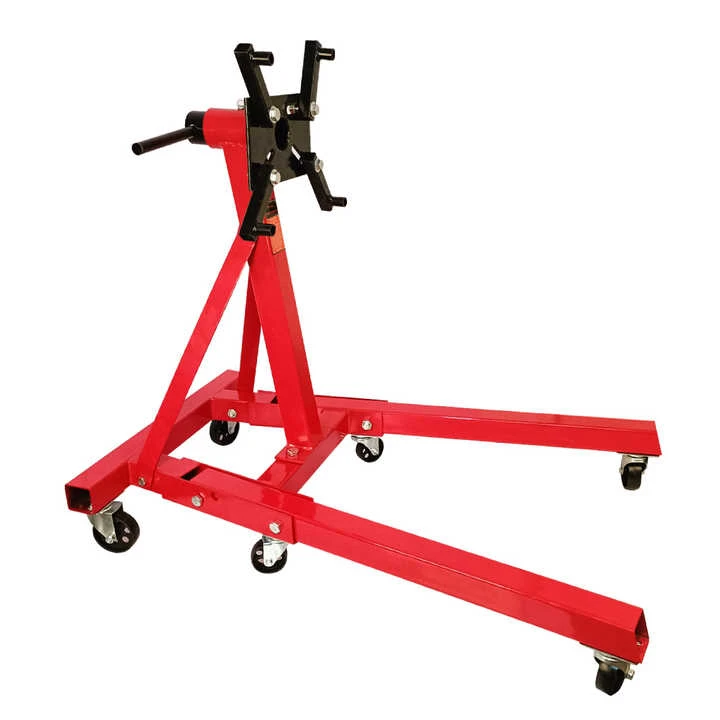
2000lb Car Engine Stand Gate Valve Machine Auto Tools Mechanical Transmission Jack With Stand Operation
-
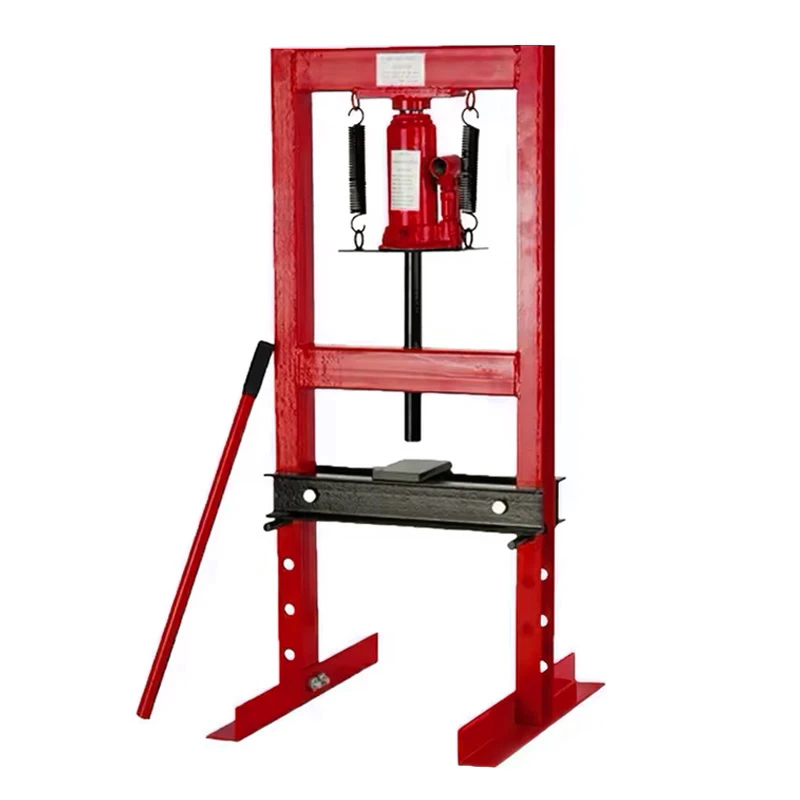
Manual Press Hand Type 6tons Hydraulic Shop Press H Frame Hydraulic Press
-
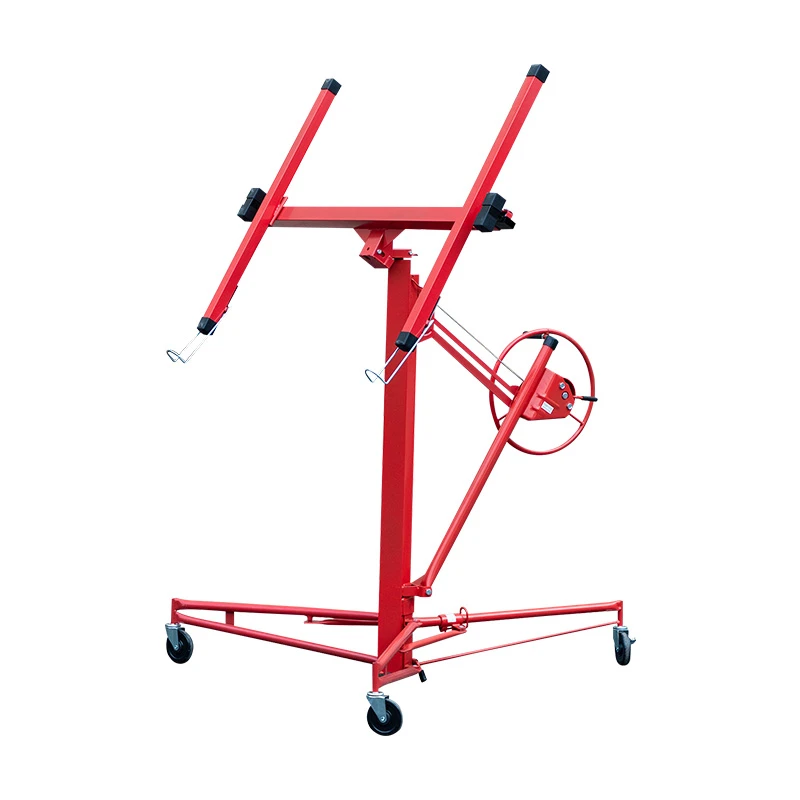
Easy-to-Use Manual Jack Lifter Construction Tools Drywall Hoist Lift Rolling Panel Drywall Rolling Lifter Panel
-
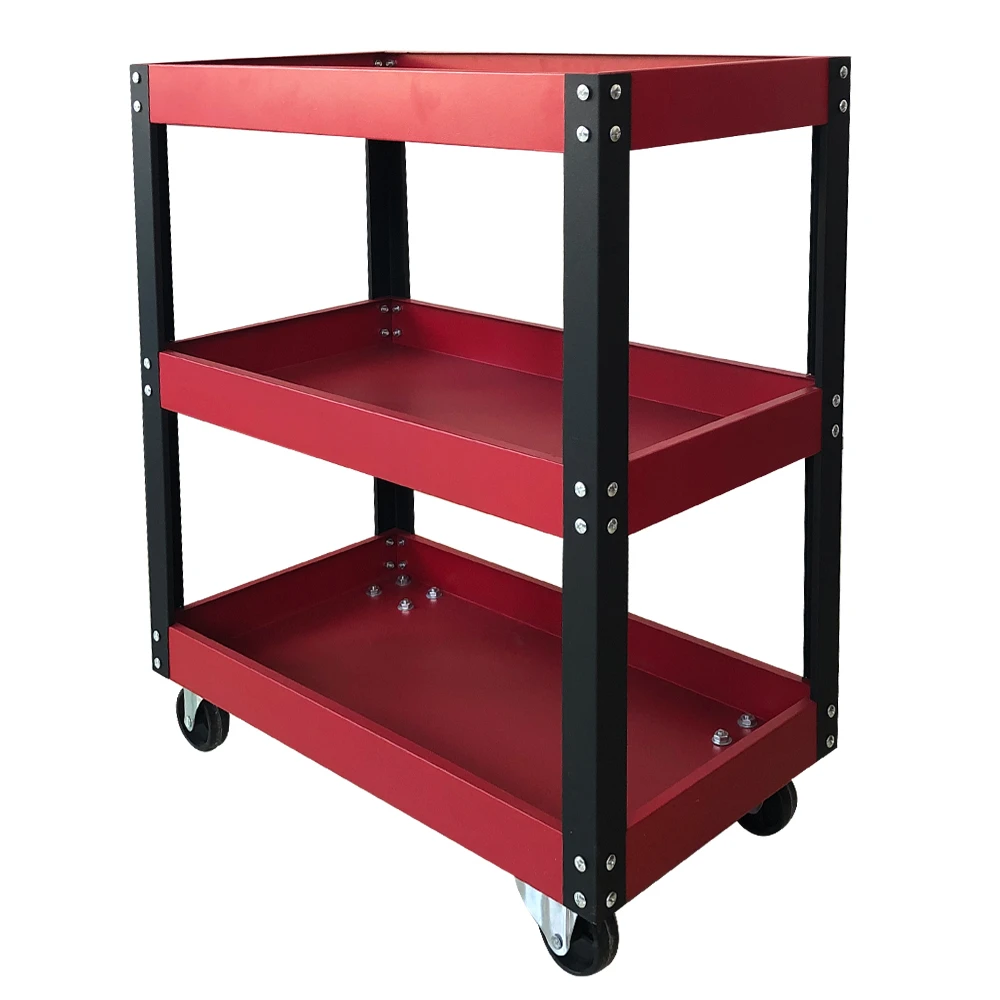
Auto Repair Tool Cart Roller Tools Box Set Mechanic Professional Cabinet for Workshop Garage Serving
-
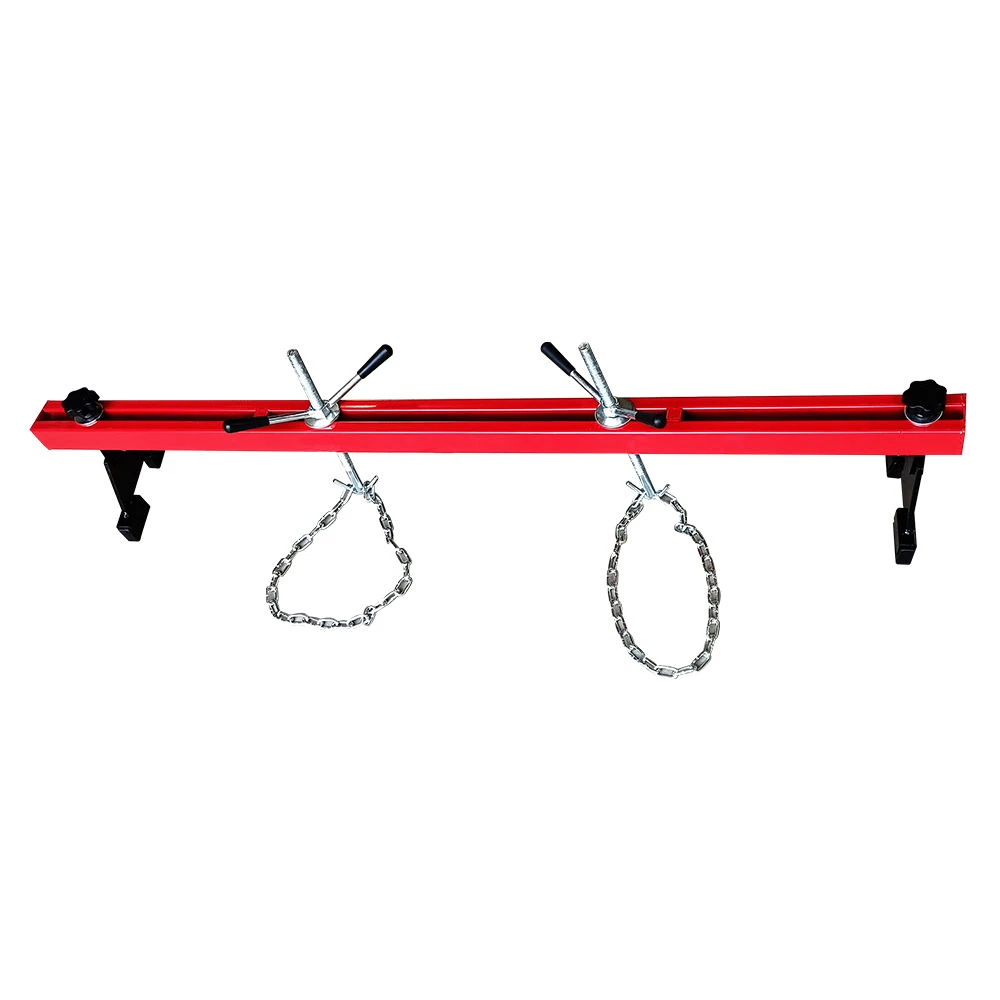
Oem Engine Support Bar 1100 Lbs Capacity Transverse Bar Engine Hoist 2 Point Lift Holder Hoist Dual Hooks Engine Bar
-
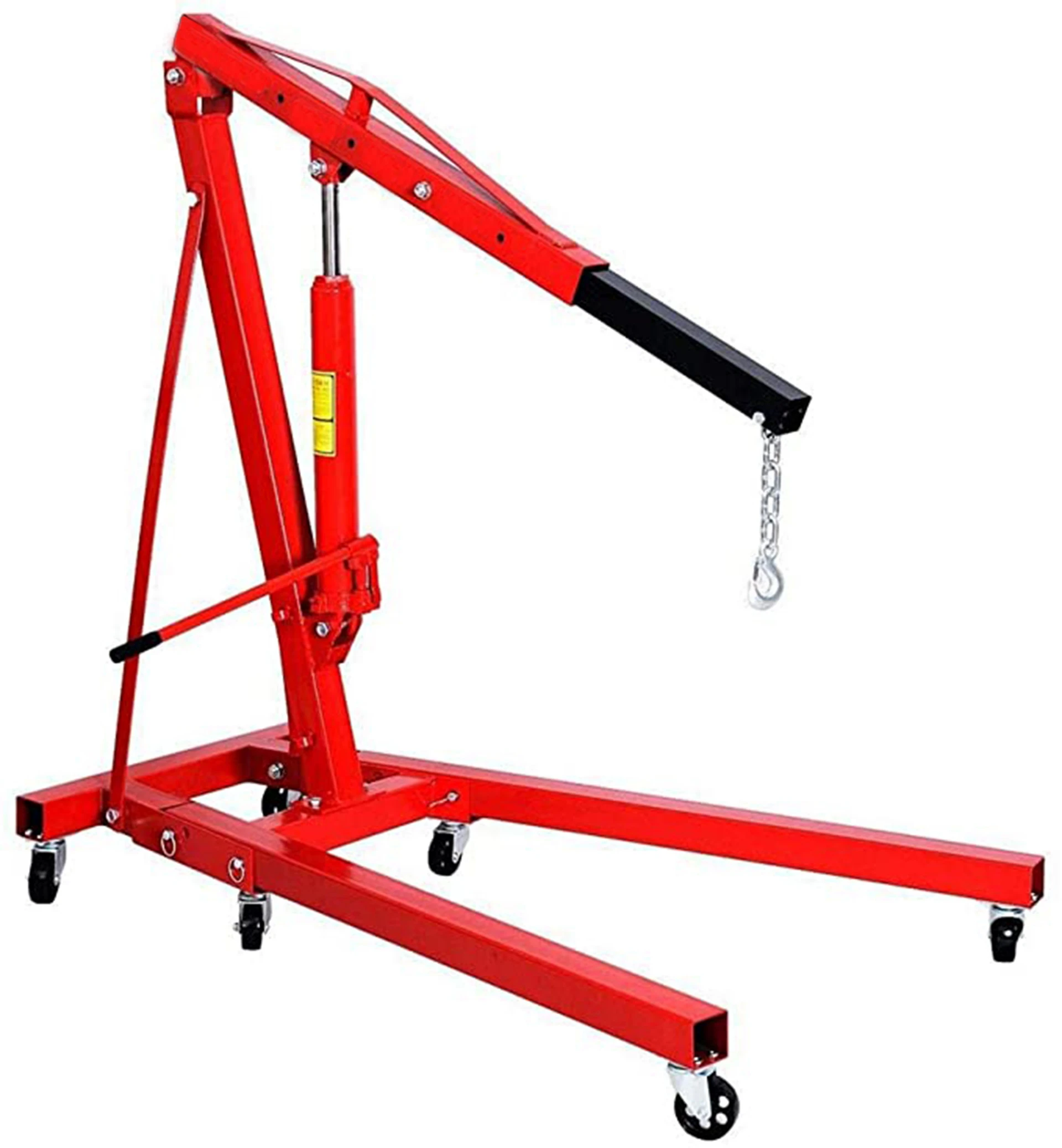
2 Ton Folding Shop Crane Lifting Machine Mini Truck Hydraulic Jack Engine Crane Folding Crane
-
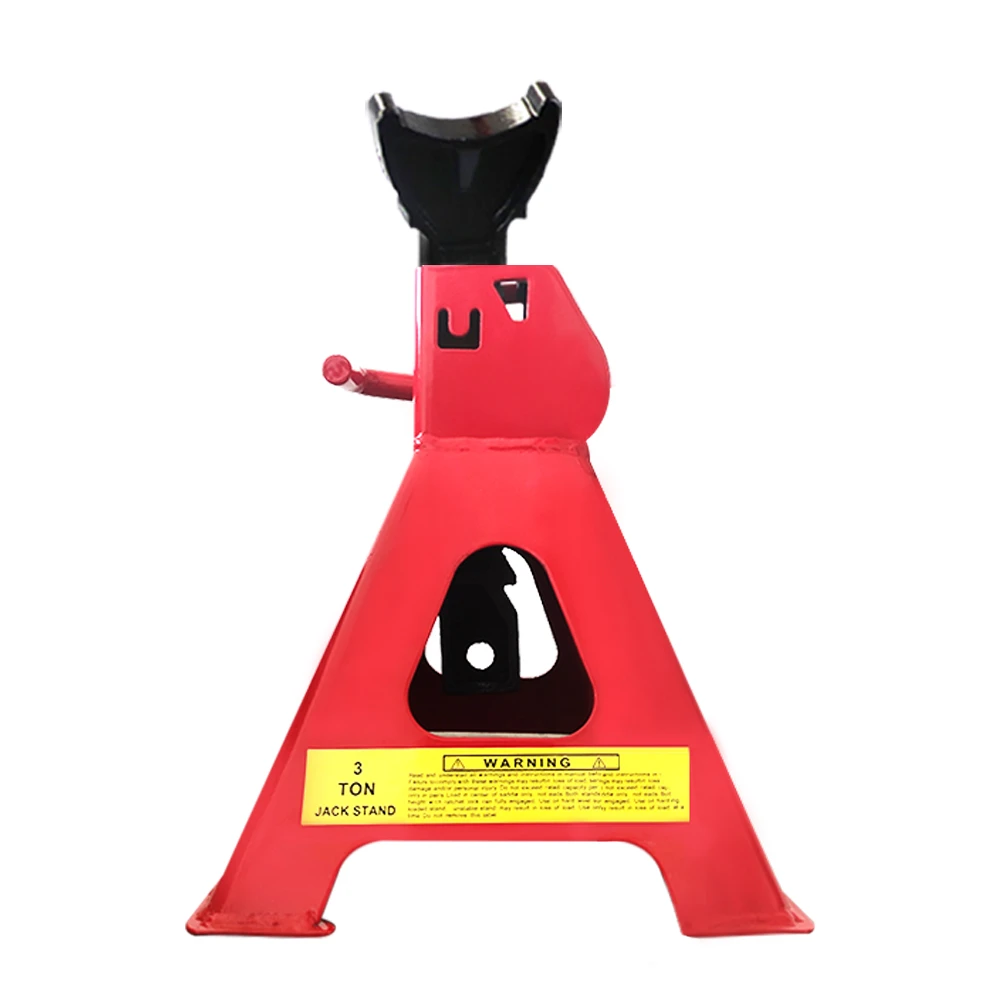
Heavy Duty Vehicle Support Car Jack Stand 3T 6T Adjustable Mobile Jack Stand
-
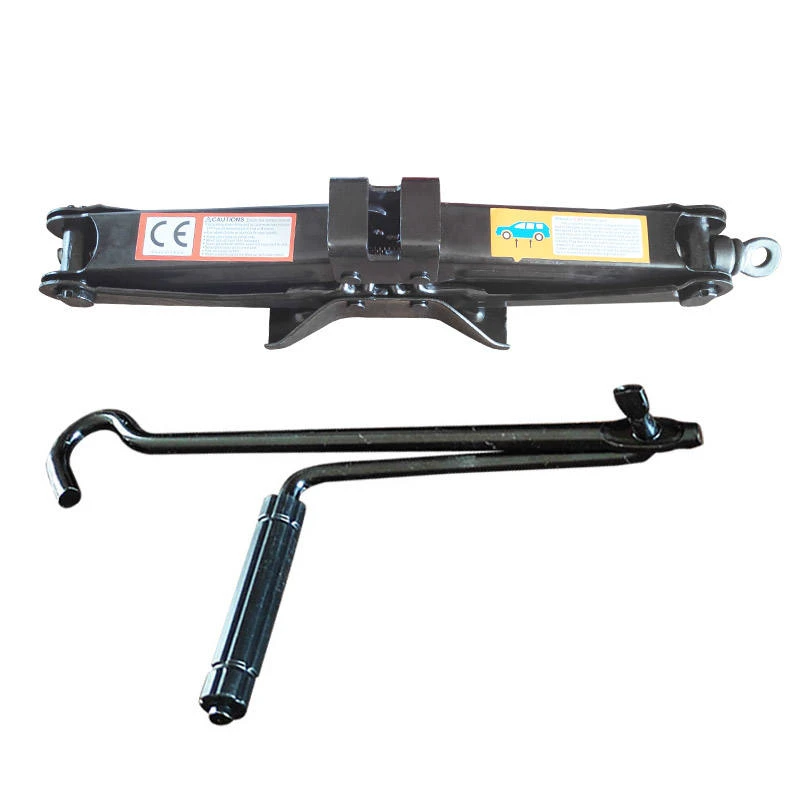
Car Lift Scissor Jack Steel Scissor Jacks Car Jack Portable
-
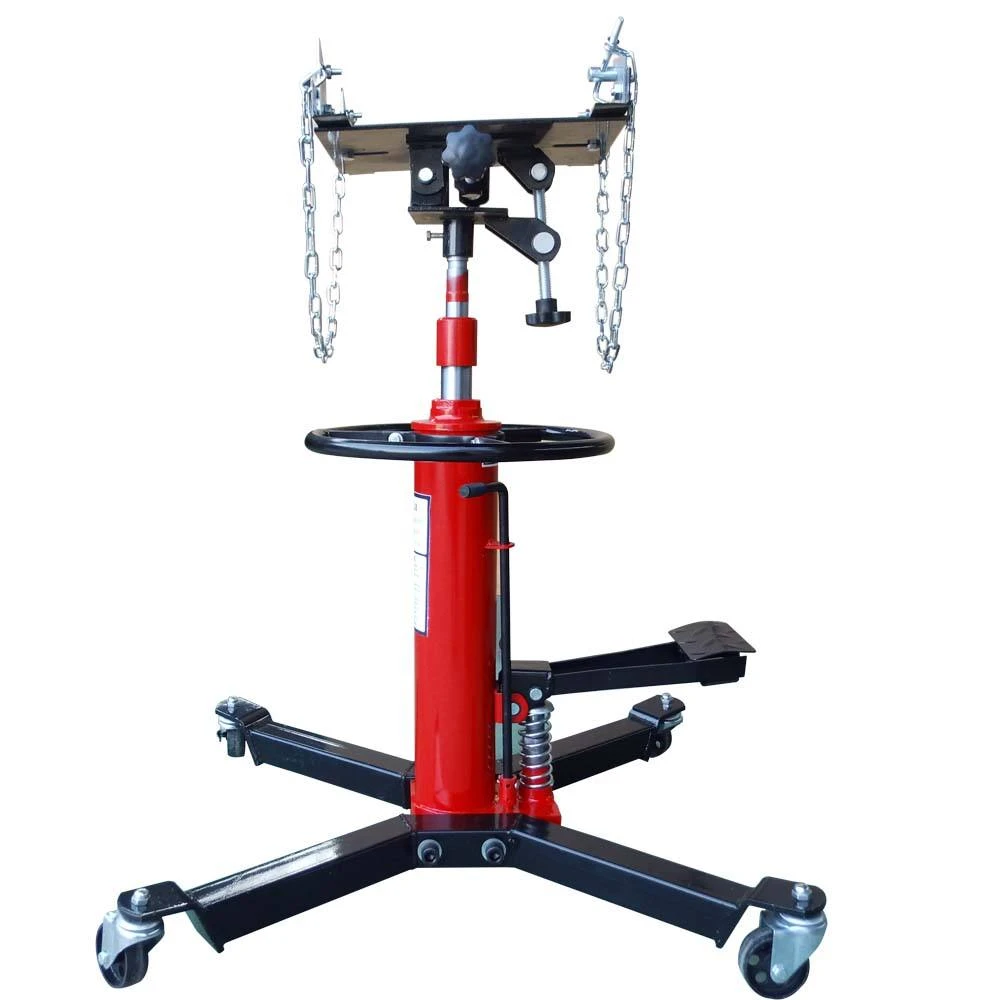
0.6T Professional Hydraulic Telescopic Transmission Jack Garage Equipment With CE For Car Engine Repair
Latest News
-
OEM Engine Support Bar 1100 Lbs | Longge Auto Tools
NewsMar.15,2026 -
Maximize Efficiency with a Robust 10 Drawer Tool Trolley for Your Workshop
NewsFeb.24,2026 -
Maximize Workshop Efficiency with a Robust 5 Drawer Rolling Tool Cabinet
NewsFeb.11,2026 -
Maximize Workshop Efficiency with the Robust 48 Tool Cabinet
NewsJan.30,2026 -
Comprehensive Guide to the 3 Ton Folding Engine Hoist for Automotive Lifting
NewsJan.28,2026 -
Comprehensive Guide to the Versatile 2 Ton Shop Crane for Workshop Use
NewsJan.27,2026 -
Maximize Engine Repair Efficiency with a 2 Ton Hydraulic Engine Hoist
NewsJan.27,2026
 English
  Arabic
  Bengali
  China
China  French
  German
  Hausa
Hausa  Indonesian
  Italian
  Japanese
  Javanese
  Malay
Malay  Persian
  Portuguese
  Punjabi
  Russian
  Spanish
  Swahili
  Telugu
  Vietnamese