36 Inch Tool Cabinet: Boosting Efficiency in Industrial Settings
Investing in Efficiency: The Role of the 36 Inch Tool Cabinet
You know, spending time on shop floors—and I've spent a lot of time on them—you quickly realize how much downtime is wasted just looking for tools. It's a small thing, but those minutes add up. Frankly, a well-organized workspace isn't just about aesthetics; it's about serious money. And that’s where a robust 36 Inch Tool Cabinet comes in. It’s a foundational element for many operations, even if people don’t always think about it that way.
Table of Contents
- 36 Inch Tool Cabinet Overview
- Benefits & Use Cases of 36 Inch Tool Cabinet
- Cost, Maintenance & User Experience
- Sustainability & Market Trends
36 Inch Tool Cabinet Overview
A 36-inch tool cabinet – and we're talking about a serious, industrial-grade one – isn’t just a box with drawers. It's a carefully engineered storage system designed to withstand the rigors of daily use. They’re typically constructed from heavy-gauge steel, often with a powder-coat finish for corrosion resistance. I suppose the size is a sweet spot: large enough to hold a substantial amount of tools, but still compact enough to fit comfortably in most workshops. The internal layout varies, of course, but you’ll generally find a mix of drawer sizes, often with heavy-duty ball bearing slides. Here's a quick look at some typical specs:
| Specification | Value | Notes |
|---|---|---|
| Width | 36 inches (914 mm) | Nominal |
| Height | Variable (36" - 48") | Dependent on drawer configuration |
| Depth | 24 inches (610 mm) | Typical |
| Material | Steel | 14-16 gauge |
Benefits & Use Cases of 36 Inch Tool Cabinet
Where you find these? Everywhere, really. Automotive shops, machine shops, maintenance departments, even some serious woodworking setups. I noticed during a visit to a local fabrication plant, they used tiered cabinets—36-inch units stacked two high—to create mobile workstations. It kept everything within easy reach and dramatically improved efficiency. Beyond that, consider applications in aerospace, where precise tool control is critical, or in field service operations, where technicians need a reliable and portable solution. The key advantage isn't just storage, it's organization and accessibility. It's about minimizing wasted motion.
Cost, Maintenance & User Experience
Let's be real: these aren’t cheap. You’re looking at a significant upfront investment. But consider the total cost of ownership. A durable cabinet, properly maintained, can last decades. Cheaper alternatives often end up needing replacement within a few years, which negates any initial savings. Maintenance is usually pretty straightforward – a wipe-down to remove grime and occasional lubrication of the drawer slides. Many engineers say that a well-designed cabinet actually reduces tool loss, saving money in the long run. Here’s a quick vendor comparison:
| Vendor | Price Range (USD) | Warranty | Key Features |
|---|---|---|---|
| LG Auto Tool | $800 - $1500 | 5 Year | Heavy-duty construction, customizable interiors |
| Snap-on | $1200 - $2000+ | Lifetime | Premium brand, extensive accessory options |
| Harbor Freight | $300 - $600 | 90 Days | Budget-friendly, limited durability |
Sustainability & Market Trends
Oddly enough, sustainability is becoming a bigger factor. There’s a growing demand for cabinets made from recycled materials or with eco-friendly finishes. It feels like manufacturers are starting to respond. The market is also trending towards more modular designs, allowing users to customize the interior layout to perfectly suit their needs. This isn’t just about convenience; it’s about optimizing space and maximizing efficiency. And, you know, keeping things tidy!
Frequently Asked Questions about 36 Inch Tool Cabinet
- What is a 36 Inch Tool Cabinet and how does it work?
- A 36-inch tool cabinet is a free-standing storage unit, typically made of steel, designed to hold tools and equipment. It works by providing secure, organized drawers and compartments to keep tools accessible and prevent damage.
- What are the main benefits of using a 36 Inch Tool Cabinet in industrial applications?
- The key benefits include improved organization, increased efficiency, enhanced tool security, reduced tool loss, and a more professional workspace.
- How does a 36 Inch Tool Cabinet compare to traditional alternatives?
- Compared to open shelving or simply piling tools, a 36-inch cabinet offers superior security, organization, and protection from damage. It’s a significant upgrade in terms of workflow and tool management.
- What industries can benefit most from 36 Inch Tool Cabinet implementation?
- Automotive, aerospace, manufacturing, maintenance and repair, construction, and any industry requiring a large number of tools will see substantial benefits.
Conclusion on 36 Inch Tool Cabinet from china
So, at the end of the day, investing in a quality 36 Inch Tool Cabinet isn’t just about buying a piece of equipment; it’s about investing in efficiency, organization, and ultimately, your bottom line. Visit our website: https://www.lgautotool.com
- A well-organized shop is a productive shop.
Products categories
-
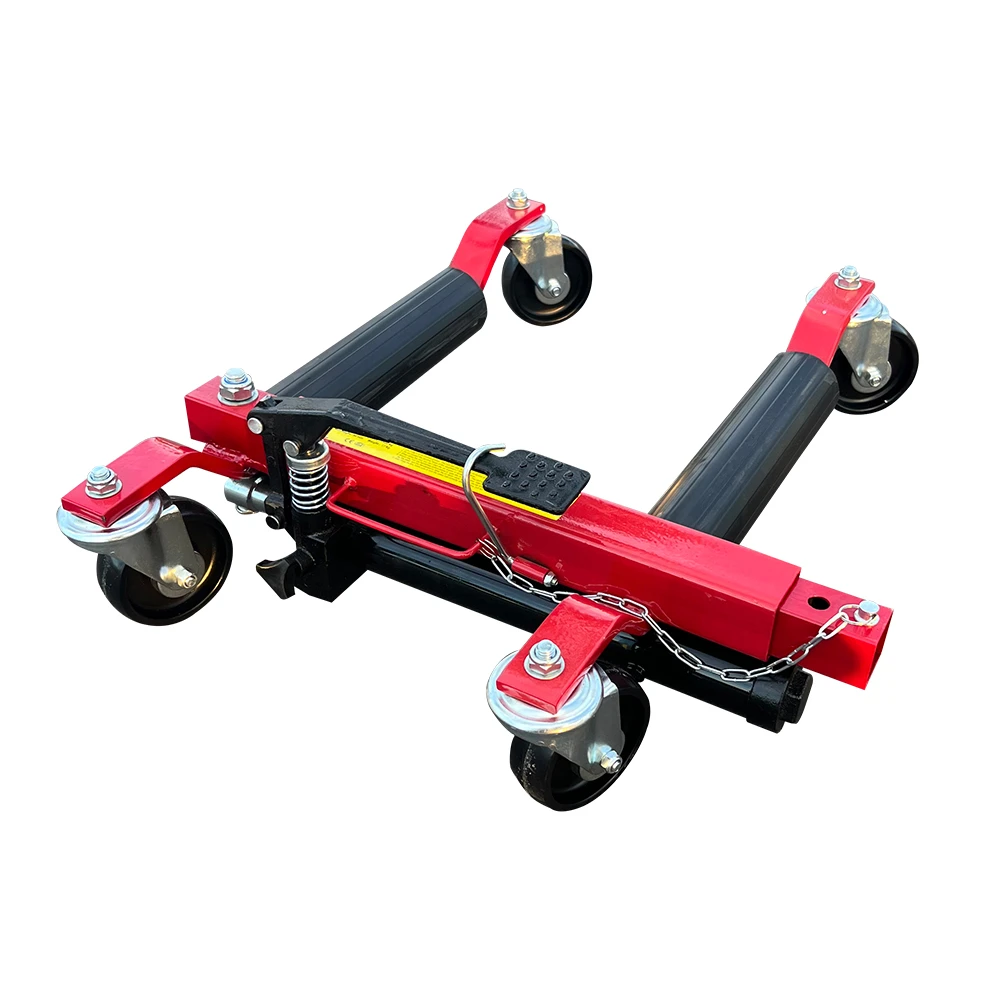
Car Jack Vehicle Mover Tow Dolly Universal Moving Tool Wheel Towing Trailer tools automatic car jack
-
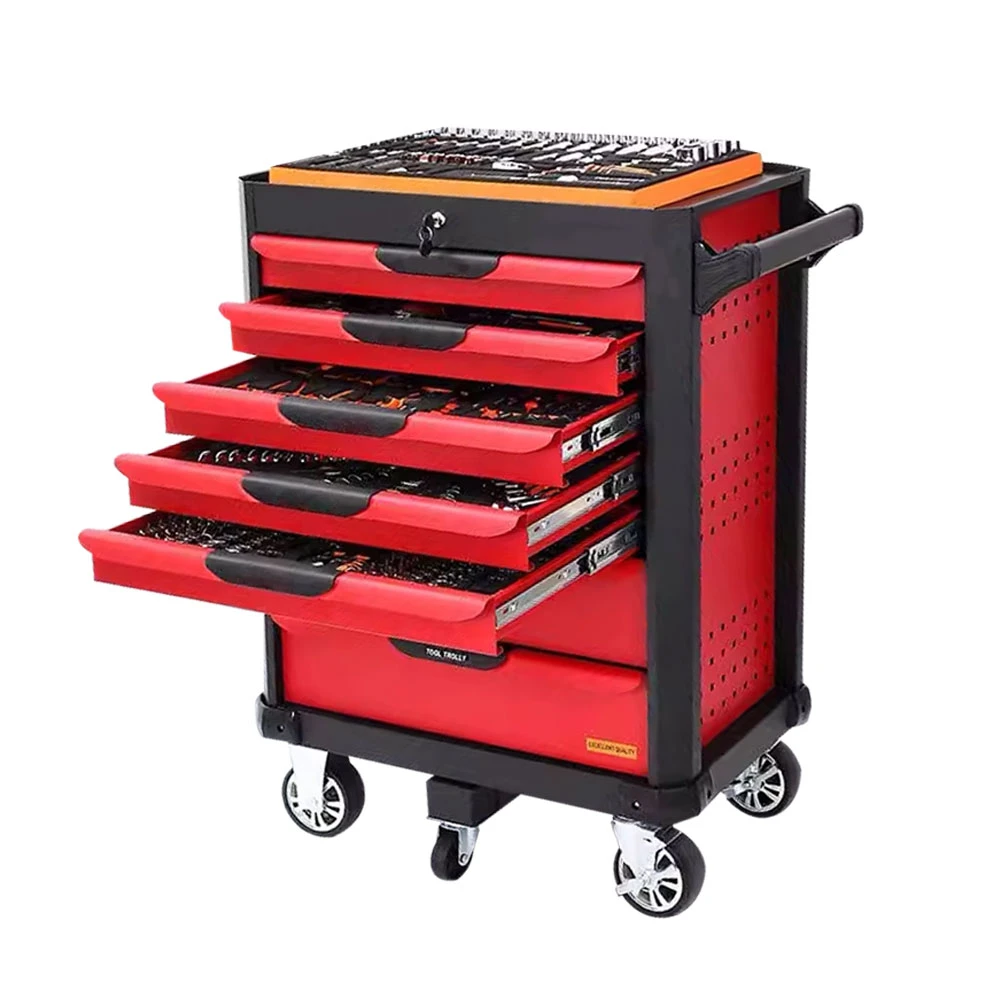
Professional All kind of Tools with Tool Cabinet, Workshop Trolley Cabinet
-
Electric Release Gantry Lifter 5t Two Post Hydraulic Used Truck Car Lifts For Sale
-
KJ-3197 Pneumatic Oil Extractor Waste Oil Changer Drainer with Lift Tank Auto Repair Tool
-
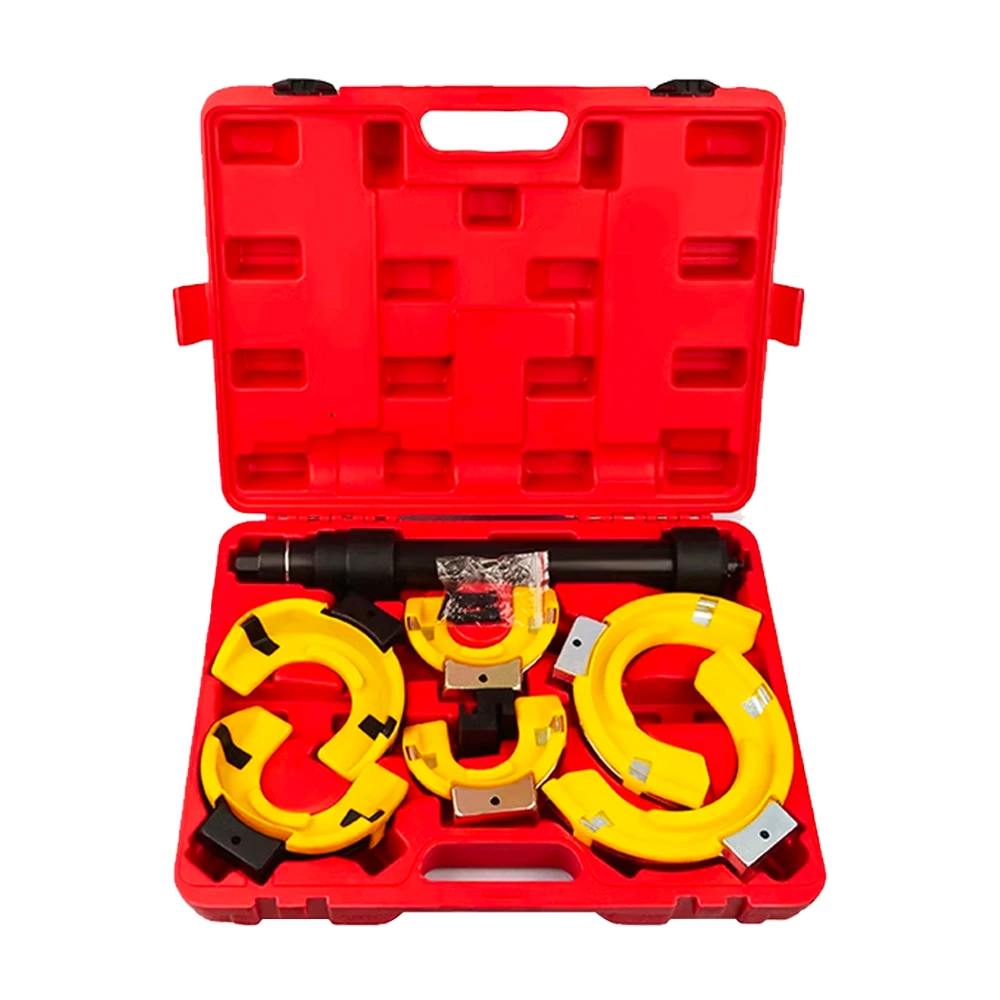
Powerful Spring Dumper Extractor Replaceable Shock Absorb Tools Strong Shock Absorber Spring Compressor Set
-
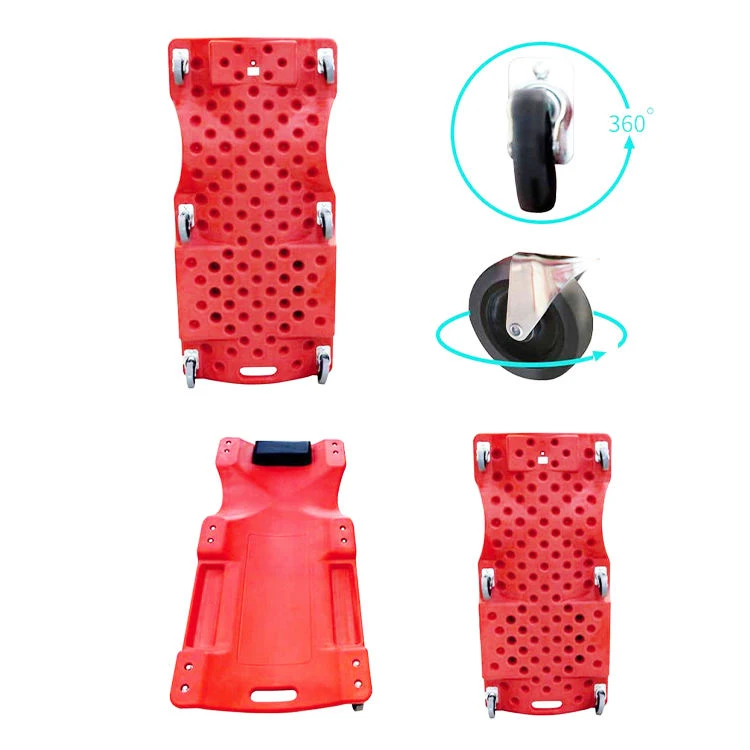
40 Inch 6 Wheel Plastic Workshop Garage Mechanics Tool Creeper Trolley Car Automotive Repair Mechanics Creeper
-
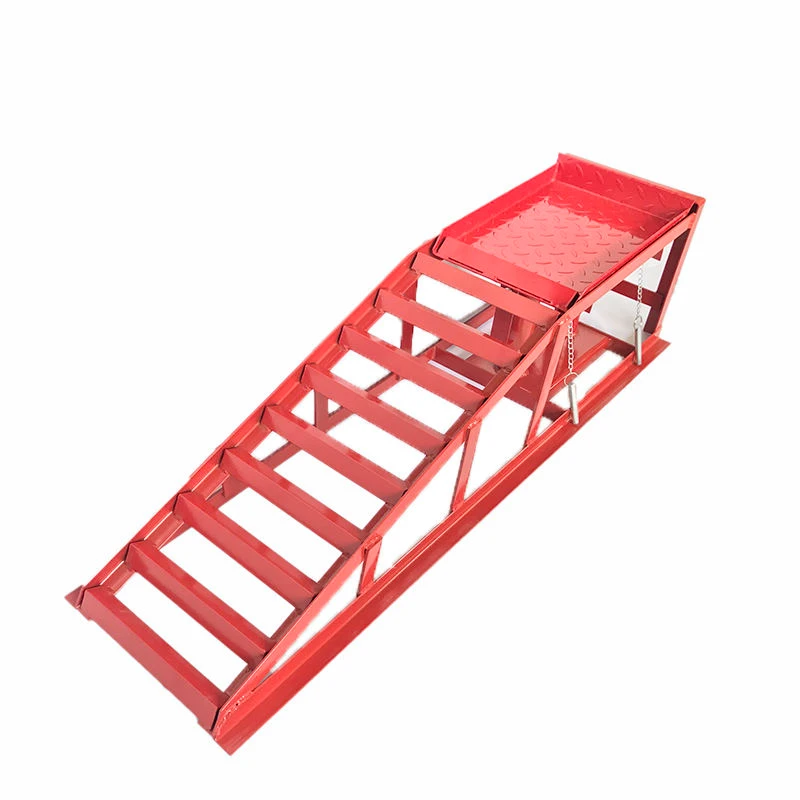
Plastic Car Ramp High Lift Auto Vehicle Car Ramp Portable Car Service Ramps
-
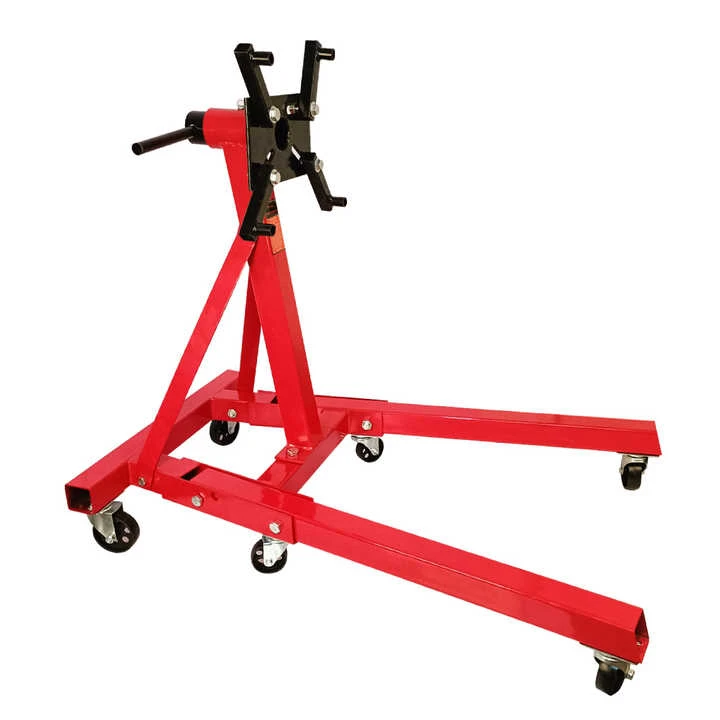
2000lb Car Engine Stand Gate Valve Machine Auto Tools Mechanical Transmission Jack With Stand Operation
-
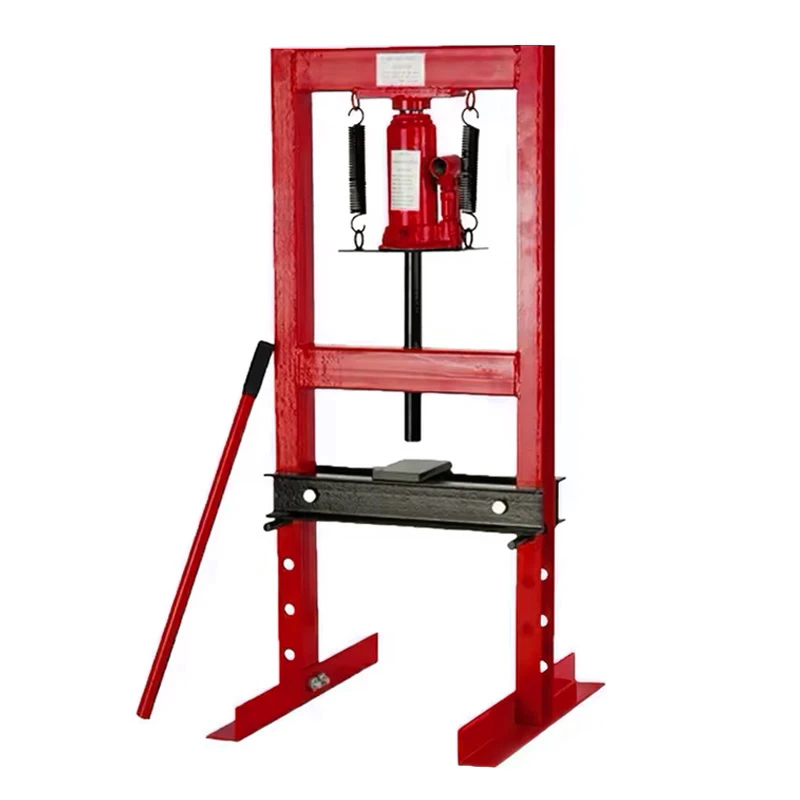
Manual Press Hand Type 6tons Hydraulic Shop Press H Frame Hydraulic Press
-
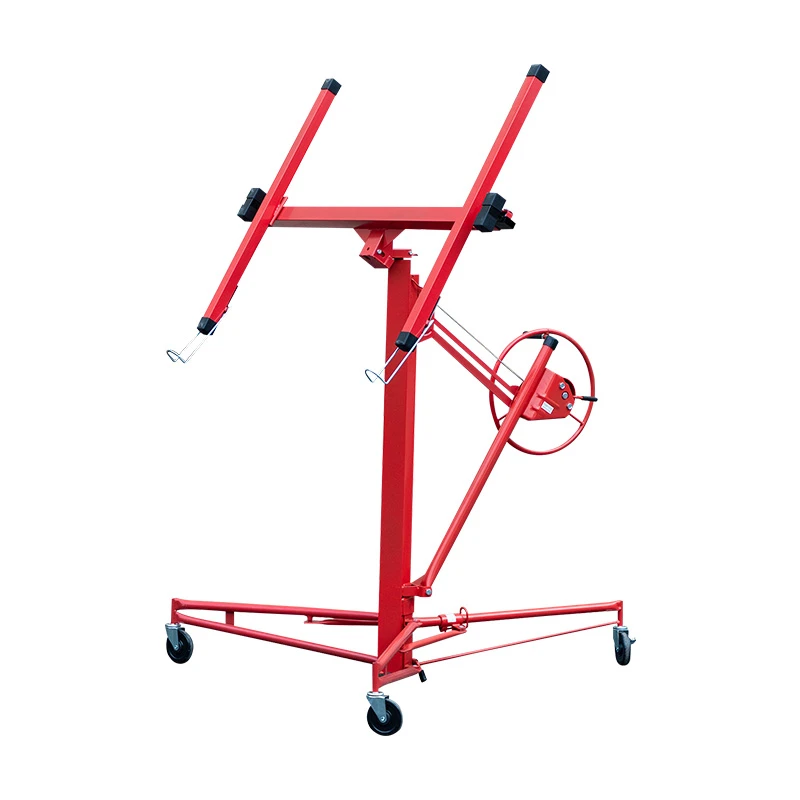
Easy-to-Use Manual Jack Lifter Construction Tools Drywall Hoist Lift Rolling Panel Drywall Rolling Lifter Panel
-
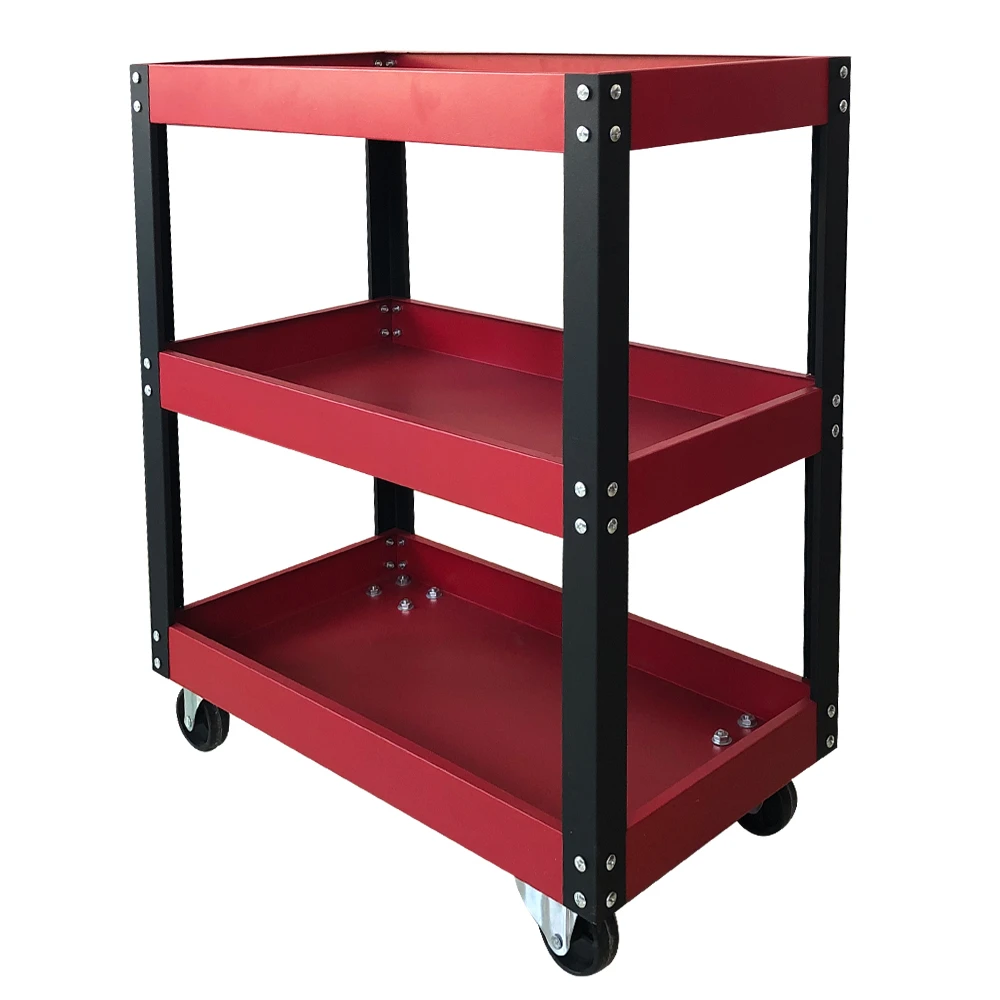
Auto Repair Tool Cart Roller Tools Box Set Mechanic Professional Cabinet for Workshop Garage Serving
-
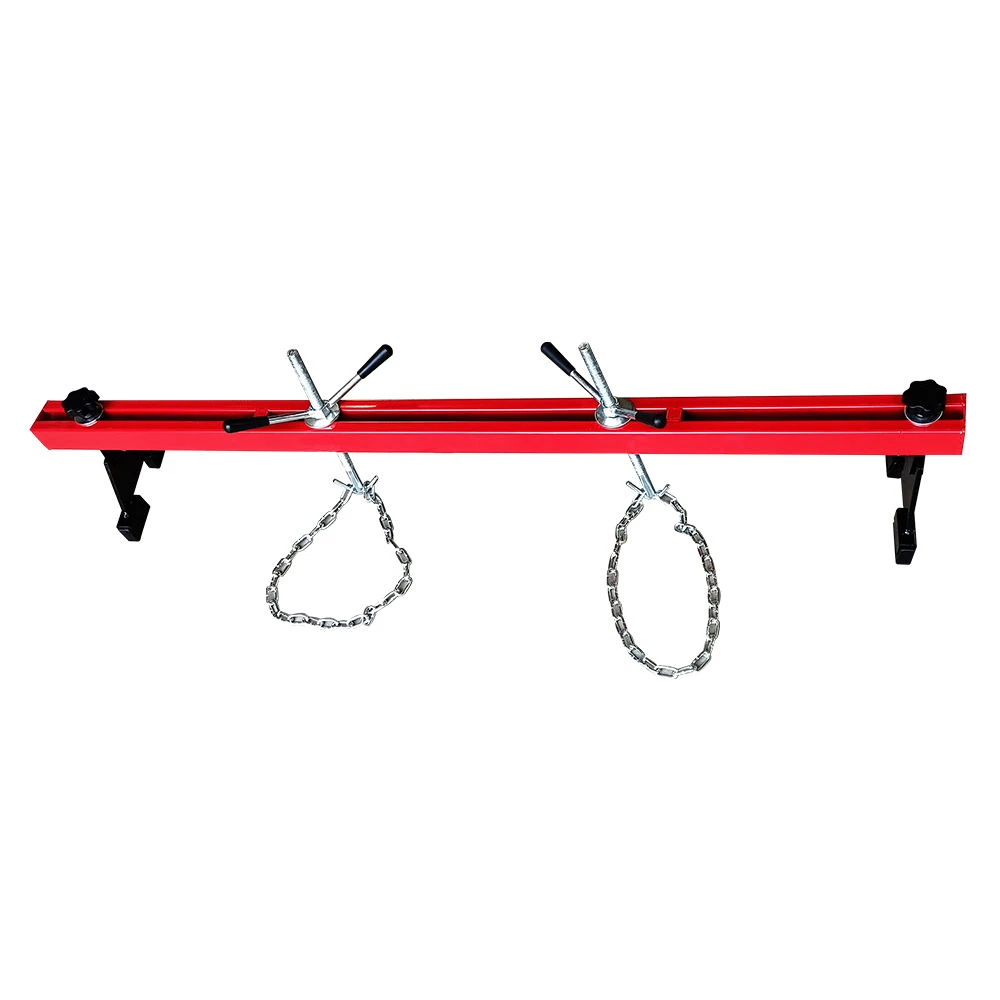
Oem Engine Support Bar 1100 Lbs Capacity Transverse Bar Engine Hoist 2 Point Lift Holder Hoist Dual Hooks Engine Bar
-
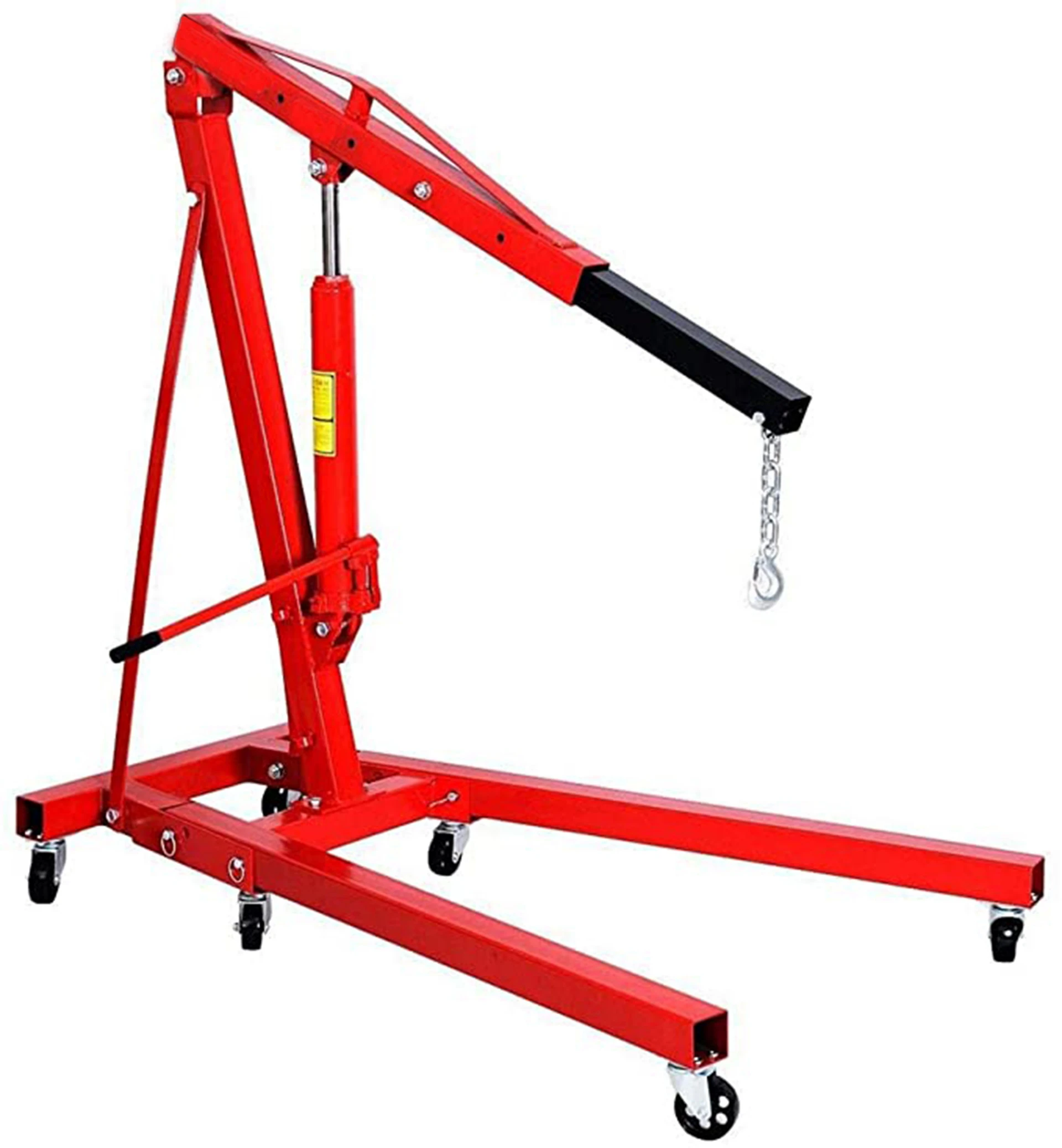
2 Ton Folding Shop Crane Lifting Machine Mini Truck Hydraulic Jack Engine Crane Folding Crane
-
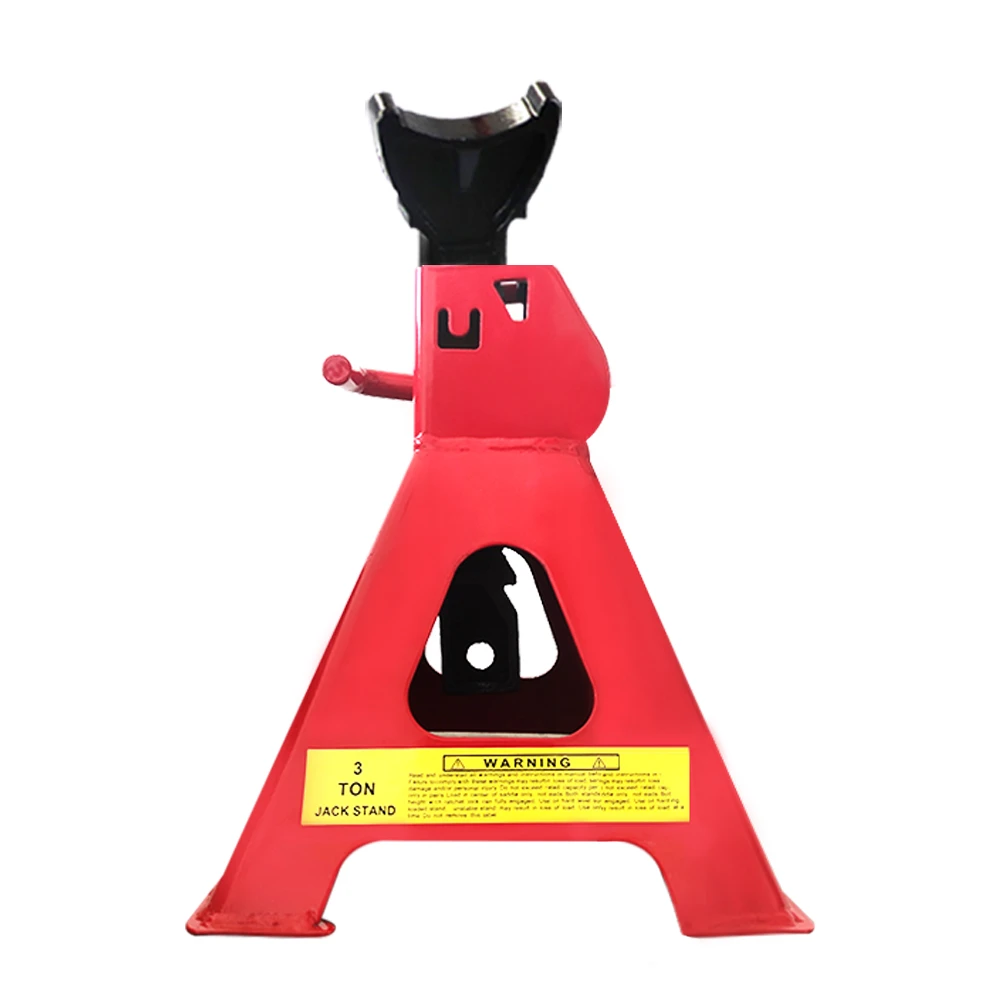
Heavy Duty Vehicle Support Car Jack Stand 3T 6T Adjustable Mobile Jack Stand
-
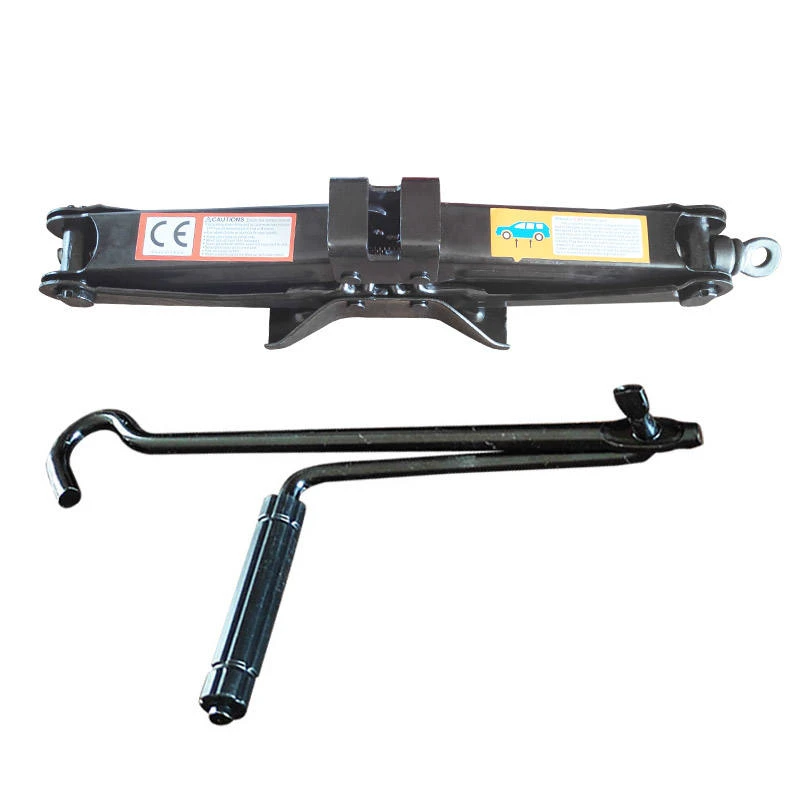
Car Lift Scissor Jack Steel Scissor Jacks Car Jack Portable
-
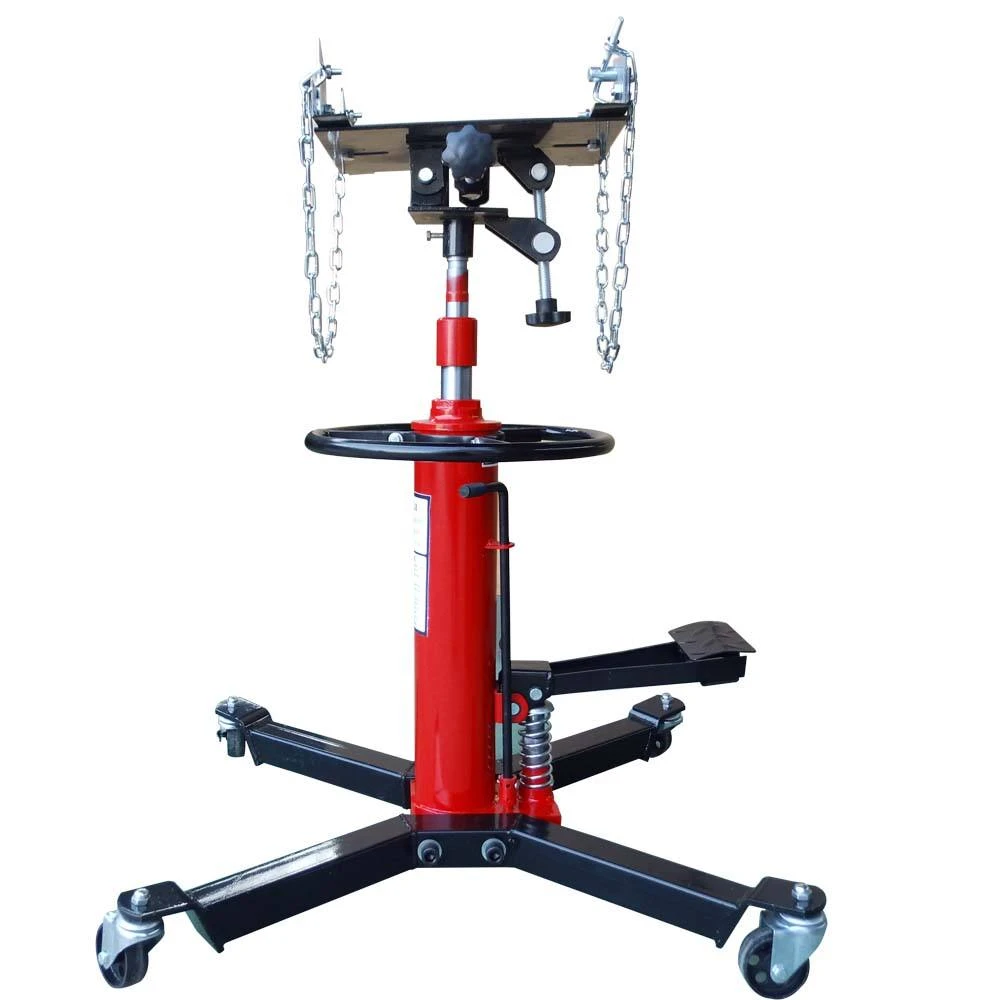
0.6T Professional Hydraulic Telescopic Transmission Jack Garage Equipment With CE For Car Engine Repair
Latest News
-
OEM Engine Support Bar 1100 Lbs | Longge Auto Tools
NewsMar.15,2026 -
Maximize Efficiency with a Robust 10 Drawer Tool Trolley for Your Workshop
NewsFeb.24,2026 -
Maximize Workshop Efficiency with a Robust 5 Drawer Rolling Tool Cabinet
NewsFeb.11,2026 -
Maximize Workshop Efficiency with the Robust 48 Tool Cabinet
NewsJan.30,2026 -
Comprehensive Guide to the 3 Ton Folding Engine Hoist for Automotive Lifting
NewsJan.28,2026 -
Comprehensive Guide to the Versatile 2 Ton Shop Crane for Workshop Use
NewsJan.27,2026 -
Maximize Engine Repair Efficiency with a 2 Ton Hydraulic Engine Hoist
NewsJan.27,2026
 English
  Arabic
  Bengali
  China
China  French
  German
  Hausa
Hausa  Indonesian
  Italian
  Japanese
  Javanese
  Malay
Malay  Persian
  Portuguese
  Punjabi
  Russian
  Spanish
  Swahili
  Telugu
  Vietnamese