Best Practices for Disposing of a Pneumatic Oil Extractor
Proper oil disposal is a cornerstone of responsible auto maintenance, and when using tools like pneumatic oil extractor systems, following best practices is key to protecting the environment and ensuring compliance. These tools, including pneumatic fluid extractor and pneumatic waste oil extractor variants, efficiently remove used oil from engines and tanks, but their effectiveness relies on safe disposal protocols. Xianxian longge Auto Maintenance tools Co.,Ltd., a professional manufacturer since 1998, offers high-quality extractors designed for efficiency and environmental friendliness, aligning with their commitment to value and customer trust. This article outlines best practices for disposing of oil from pneumatic oil extractor tools, helping wholesalers guide clients toward responsible and compliant operations.
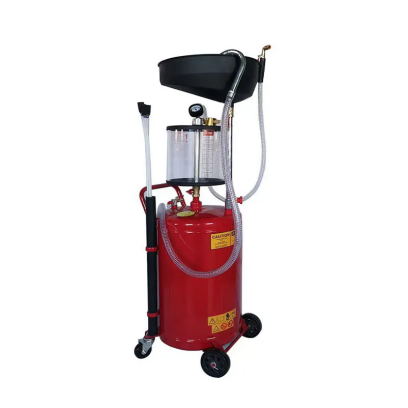
Preparing for Oil Disposal with Pneumatic Fluid Extractor
- Identify Oil Type: Before disposing of oil from a pneumatic fluid extractor, confirm whether it’s engine oil, fuel, or another type. Different oils may require specific disposal methods— for example, used engine oil is often recyclable, while contaminated fuel may need special handling. Wholesalers can emphasize this step to clients, as misclassification can lead to environmental violations.
- Inspect Pneumatic Oil Extractor for Contamination: Check the pneumatic oil extractor’s reservoir for debris, water, or other contaminants. If present, strain the oil through a filter to remove solids, ensuring only pure oil is processed. This not only simplifies disposal but also maintains the extractor’s performance, a detail that benefits long-term tool reliability.
- Use Approved Containers: Transfer oil from the pneumatic waste oil extractor into sealed, labeled containers designed for hazardous waste. These containers should be made of durable materials (like HDPE) and marked with “Used Oil” to prevent mix-ups. Avoid reusing food or beverage containers, as they can leave residues that contaminate the oil.
Step-by-Step Oil Disposal from Pneumatic Oil Extractor
- Drain the Extractor Safely: Position the pneumatic oil extractor over the disposal container and open the drain valve slowly, allowing oil to flow steadily. Avoid overfilling the container— leave at least 10% space to prevent spills during transport. For pneumatic waste oil extractor models with large reservoirs, drain in stages to maintain control.
- Seal and Label Containers: Once filled, tightly seal the disposal container and affix a label with the oil type, collection date, and quantity. This information is critical for recycling facilities or disposal services to process the oil correctly. Wholesalers can recommend waterproof labels to ensure legibility, even in greasy garage environments.
- Transport to Authorized Facilities: Arrange for pickup or deliver the sealed containers to licensed recycling centers, auto parts stores, or waste management facilities that accept used oil. Never dump oil down drains, sewers, or onto the ground— such actions harm ecosystems and violate regulations. Pneumatic fluid extractor users should keep records of disposal for compliance audits.
Environmental and Compliance Benefits of Proper Disposal Pneumatic Oil Extractor
|
Practice |
Environmental Benefit |
Compliance Advantage |
|
Recycling Used Oil |
Reduces need for new oil production; cuts emissions |
Meets local and national waste management laws. |
|
Using Sealed Containers |
Prevents soil and water contamination |
Avoids fines for spills or improper storage. |
|
Partnering with Licensed Facilities |
Ensures oil is processed safely or reused |
Demonstrates corporate responsibility to regulators. |
|
Training Staff on Protocols |
Minimizes human error in disposal steps |
Reduces liability for non-compliance. |
This table helps wholesalers highlight how proper disposal with pneumatic oil extractor tools benefits both the planet and a business’s legal standing.
Maintaining Pneumatic Waste Oil Extractor for Clean Disposal
- Clean the Reservoir Regularly: After emptying a pneumatic waste oil extractor, rinse the reservoir with a small amount of fresh oil or solvent to remove residue. This prevents cross-contamination between oil types and ensures the next extraction is clean, making disposal easier. A clean extractor also operates more efficiently, extending its lifespan.
- Inspect Seals and Valves: Check the pneumatic fluid extractor’s seals, gaskets, and drain valves for wear or leaks. Damaged components can cause spills during disposal, undermining safety and compliance. Replace parts promptly— Xianxian longge offers replacement kits for their extractors, ensuring users can maintain tool integrity.
- Train Staff on Extractor Use: Proper operation of a pneumatic oil extractor minimizes spills during oil collection, simplifying disposal. Train mechanics to avoid overfilling the reservoir, secure hoses tightly, and shut off the tool before disconnecting. Well-trained users reduce waste and ensure disposal starts with clean, uncontaminated oil.
Pneumatic Oil Extractor FAQS
Can Oil from a Pneumatic Fluid Extractor Be Reused?
Yes, used oil from a pneumatic fluid extractor can often be recycled into lubricants, fuel, or industrial products. Authorized facilities reprocess it to remove impurities, giving the oil a second life— a sustainable practice that benefits both businesses and the environment.
How Often Should Pneumatic Waste Oil Extractor Reservoirs Be Cleaned?
Clean the reservoir of a pneumatic waste oil extractor after every 5–10 uses, or whenever switching between oil types. Frequent cleaning prevents residue buildup, ensuring accurate oil type classification and reducing contamination risks during disposal.
What Are the Risks of Improperly Disposing of Oil from a Pneumatic Oil Extractor?
Improper disposal (e.g., dumping or spilling) can contaminate groundwater, harm wildlife, and result in hefty fines. Using a pneumatic oil extractor simplifies controlled collection, but neglecting proper disposal negates these benefits— emphasizing the need for strict protocols.
Do Pneumatic Fluid Extractor Models Affect Disposal Methods?
No, disposal methods depend on oil type, not the pneumatic fluid extractor model. However, extractors with features like filters or separate reservoirs for different oils make classification and disposal easier, reducing errors in the process.
Where Can Wholesalers Source Reliable Pneumatic Oil Extractor Tools?
Xianxian longge Auto Maintenance tools Co.,Ltd. offers durable pneumatic oil extractor and pneumatic waste oil extractor models, designed for efficient, safe oil collection. Visit their website to explore their products and partner with a trusted manufacturer in auto maintenance tools.
Products categories
-

Garage Shop Roller Seat, Auto Repair Work Stool
-

Car Water Pipe Maintenance Clamp Combination Automobile Water Pipe Pliers
-

Factory Price Hot Selling Adjustable Three-jaw and Four-jaw Automotive Corner Fuel tank Cap Wrench
-

Special Tool for Gasoline tank Cover Removal Adjustable Gasoline Pump Cover Two Claw Wrench with Right Angle Bent Foot
-

4-jaw Fuel tank Pump Wrench Cover Removal Wrench Fuel Pump Remover Oil Filter Wrench
-

Automotive and Motorcycle Valve Spring Compressor Removal Tools Sets
-

Piston Ring Compressor Piston Ring Disassembly Removal Tool
-

8Pcs Automotive Hose Clamp Pliers Set, Fuel Line & Water Pipe Removal Tool Kit, Car Repair Hand Tools with Canvas Storage Bag
-

Tire Maintenance Tool Set Steel Spoon Rod Rim Protector Valve Tool for Repair Car Motorcycle Bike Tire Changer Levers Tool Spoon
-

Pump Hydraulic Pneumatic Pump with Pedal Pneumatic Air Hydraulic Foot Pump with Alloy Steel Construction 2.3L Reservoir
-

Oil Drain Pan 15 Litre Auto Engine Oil Drain Drip Pan Automotive Repair Other Vehicle Tools
-

8L Motorcycle Waste Engine Oil Drain Pan
-

Fuel tank Cap Wrench, Gasoline Pump Cover Removal Tool
-

Universal Fuel Tank Lock Ring Tool Fuel Sender Tank Lid Remover
-

Auto Body Frame Pulling Clamp Set | Nose / Reverse Nose / Scissor Clamp for Car Body Repair
-

Movers Device Vehicle Tools
Latest News
-
OEM Engine Support Bar 1100 Lbs | Longge Auto Tools
NewsMar.15,2026 -
Maximize Efficiency with a Robust 10 Drawer Tool Trolley for Your Workshop
NewsFeb.24,2026 -
Maximize Workshop Efficiency with a Robust 5 Drawer Rolling Tool Cabinet
NewsFeb.11,2026 -
Maximize Workshop Efficiency with the Robust 48 Tool Cabinet
NewsJan.30,2026 -
Comprehensive Guide to the 3 Ton Folding Engine Hoist for Automotive Lifting
NewsJan.28,2026 -
Comprehensive Guide to the Versatile 2 Ton Shop Crane for Workshop Use
NewsJan.27,2026 -
Maximize Engine Repair Efficiency with a 2 Ton Hydraulic Engine Hoist
NewsJan.27,2026