Air Operated Oil Extractor - Fast, Clean Pneumatic Fluid Drain
Elevating Workshop Efficiency: The Strategic Role of Air Operated Oil Extractors
In modern automotive service centers, heavy equipment maintenance facilities, and industrial workshops, efficient and environmentally compliant fluid management is paramount. The air operated oil extractor stands as a cornerstone technology, offering unparalleled speed, cleanliness, and safety in the extraction of waste engine oil, transmission fluid, and other non-corrosive liquids. This indispensable tool, often referred to as a pneumatic oil drainer or waste oil suction pump, is engineered to streamline maintenance workflows, minimize spill risks, and enhance overall operational productivity. As environmental regulations tighten and demand for quick service grows, the strategic integration of advanced pneumatic engine oil extractors becomes a critical factor for competitive advantage in the B2B sector.
The Evolving Landscape of Waste Oil Management: Industry Trends and Innovations
The market for fluid handling equipment is experiencing significant shifts driven by increasing environmental consciousness, stringent regulatory frameworks, and the imperative for enhanced operational efficiency. Key trends influencing the development and adoption of waste oil suction pump technologies include:
- Sustainability and Compliance: The global push towards greener practices mandates systems that prevent spills, minimize environmental contamination, and facilitate responsible recycling of waste oils. Modern air operated oil extractor units are designed to meet or exceed international standards for environmental protection.
- Automation and Speed: Time is money in B2B service operations. Innovations focus on faster extraction rates, larger capacities, and features that reduce manual labor, such as auto-drain functions and integrated lifting mechanisms for ease of use.
- Material Science Advancement: The use of advanced corrosion-resistant alloys for tanks and internal components extends the service life and reliability of these units, particularly when dealing with diverse types of waste fluids.
- Ergonomics and Safety: Enhancements in design improve user comfort and reduce the risk of workplace injuries. Features like adjustable height, robust caster wheels, and pressure relief valves are becoming standard.
These trends collectively underscore the importance of investing in high-quality, technically sophisticated fluid extraction solutions like the air operated oil extractor to maintain a competitive edge and ensure compliance in the rapidly evolving B2B service sector.
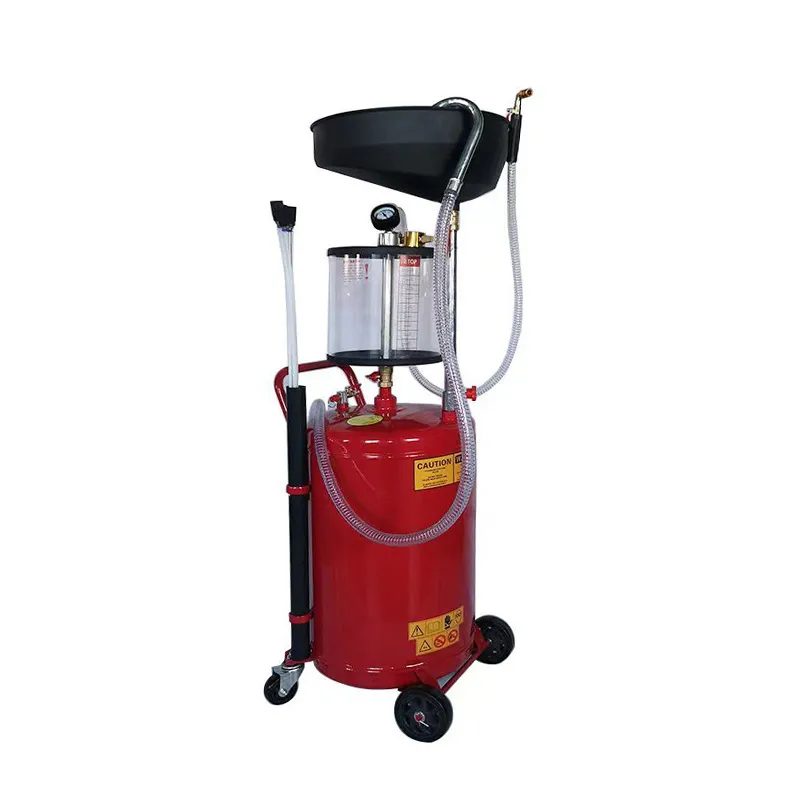
Understanding the Core: Manufacturing Process of an Air Operated Oil Extractor
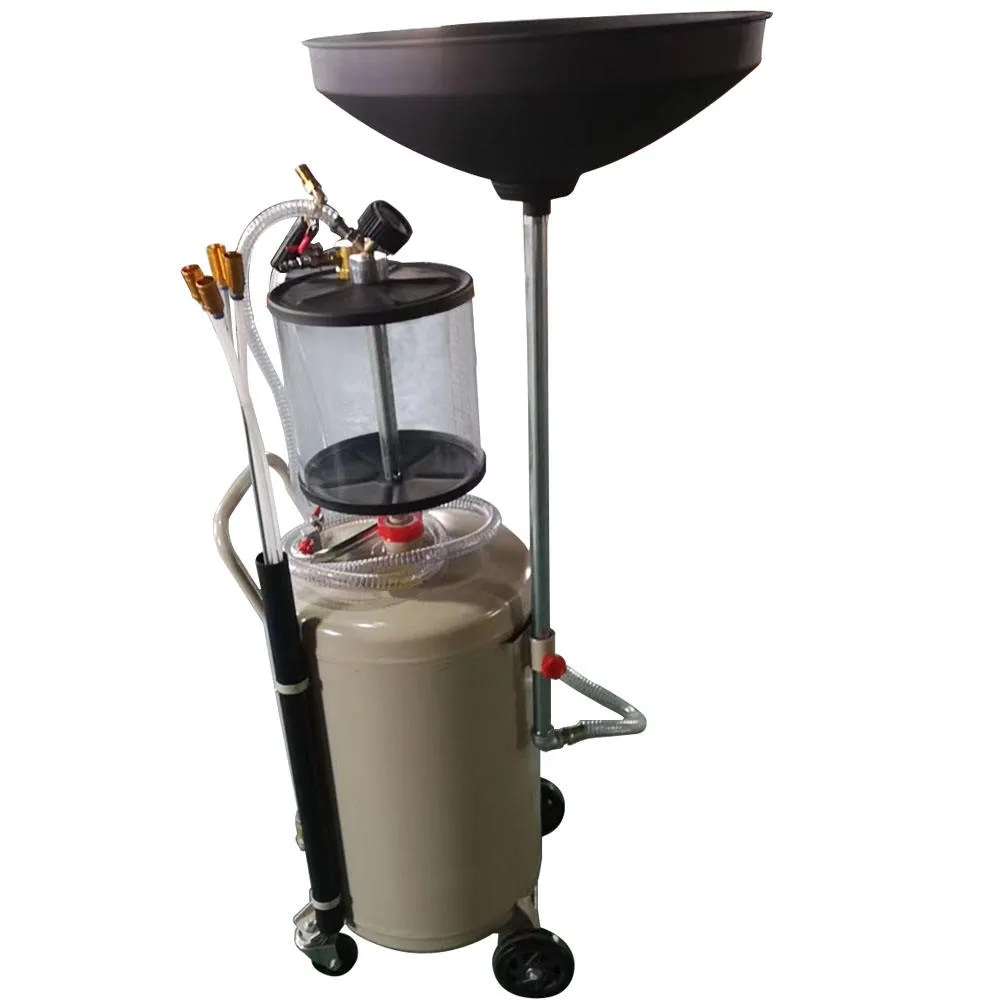
The production of a robust and reliable air operated oil extractor, such as the KJ-3197 Pneumatic Oil Extractor Waste Oil Changer Drainer with Lift Tank, involves a multi-stage manufacturing process guided by strict quality control to ensure adherence to industry standards like ISO 9001 for quality management and relevant ANSI/ASME safety codes.
Manufacturing Process Flow:
- Material Selection and Sourcing: High-grade steel alloys (e.g., Q235 steel for tanks, often powder-coated for corrosion resistance) are selected for durability and longevity. Hoses are typically constructed from high-pressure resistant PVC or specialized rubber compounds. Seals and O-rings are made from Viton or NBR for chemical compatibility.
- Tank Fabrication (Casting/Welding): The primary reservoir tank undergoes precision casting or advanced robotic welding from rolled steel sheets. This ensures seamless construction, critical for pressure containment and preventing leaks. Internal baffles may be integrated to prevent sloshing and enhance structural integrity.
- Component Machining (CNC): Critical components such as the suction probes, adapters, pressure regulators, and internal valve mechanisms are manufactured using CNC machining. This ensures precise tolerances, essential for optimal performance, vacuum generation, and leak-free operation.
- Surface Treatment: Metal components, especially the tank, undergo rigorous cleaning, phosphating, and powder coating or electroplating. This significantly enhances corrosion resistance against various chemicals and environmental factors, extending the service life of the pneumatic oil drainer.
- Assembly: Skilled technicians assemble all components, including the tank, collection bowl, vacuum pump, pressure gauges, hoses, and mobility features (casters). This stage often includes sub-assembly verification.
- Testing and Quality Assurance: Every unit undergoes comprehensive testing. This includes hydrostatic pressure testing to verify tank integrity, vacuum efficiency tests to ensure optimal suction, leak detection, and functional checks of all valves and gauges. Adherence to CE safety standards is verified.
- Packaging: Units are carefully packed with protective materials to prevent damage during transit, ready for distribution to target industries.
This meticulous process guarantees a product with exceptional service life, typically exceeding 5-7 years with proper maintenance, serving critical industries such as automotive repair, petrochemical facilities, mining, and heavy machinery maintenance. The robust construction and precise engineering lead to advantages such as energy-efficient operation (reliant on compressed air rather than electrical pumps), superior corrosion resistance, and reduced maintenance downtime.
Technical Specifications and Performance Parameters: The KJ-3197
The KJ-3197 Pneumatic Oil Extractor Waste Oil Changer Drainer with Lift Tank is engineered for professional-grade performance, combining high capacity with robust construction. Understanding its technical parameters is crucial for B2B decision-makers assessing equipment suitability.
| Parameter | Specification |
|---|---|
| Product Name | KJ-3197 Pneumatic Oil Extractor Waste Oil Changer Drainer with Lift Tank Auto Repair Tool |
| Tank Capacity | 80 Liters (approx. 21 Gallons) |
| Collection Bowl Capacity | 10 Liters (approx. 2.6 Gallons) |
| Air Pressure Range | 8 - 10 Bar (116 - 145 PSI) |
| Vacuum Degree | -0.8 Bar |
| Suction Speed | 1 - 6.5 L/min (dependent on oil temperature and viscosity) |
| Oil Temperature Range | 40 - 80 °C (Optimal) |
| Material | Heavy-duty steel with anti-corrosion coating, durable PVC hoses |
| Mobility | Equipped with heavy-duty caster wheels |
| Safety Features | Pressure relief valve, overfill protection |
| Included Accessories | Multiple suction probes (metal and flexible), adapters for various vehicle types |
These specifications highlight the extractor's capability to handle high-volume operations with ease and safety. The -0.8 Bar vacuum degree ensures rapid and thorough fluid extraction, minimizing residual waste. The optimal operating temperature range facilitates efficient flow, reducing service times.
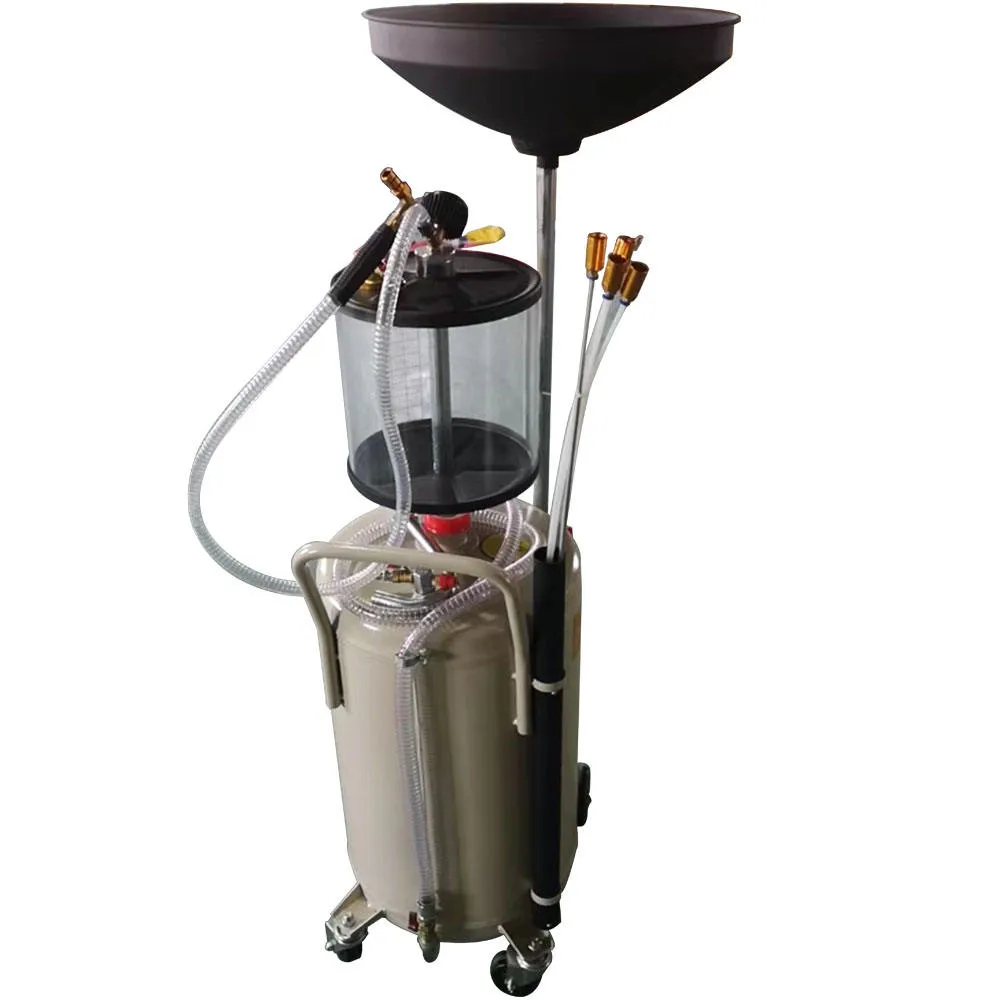
Diverse Application Scenarios for Pneumatic Oil Drainers
The versatility of the pneumatic oil drainer makes it an invaluable asset across a multitude of industrial and commercial settings where fluid maintenance is a regular requirement. Its design allows for clean, efficient extraction of various waste fluids without the need for vehicle lifts or drain plugs in many instances, making it highly adaptable.
- Automotive Service Centers: From independent garages to franchised dealerships, the air operated oil extractor expedites oil changes for passenger cars, light trucks, and SUVs. Its ability to extract through the dipstick tube means quicker service, reducing labor costs and improving customer throughput.
- Heavy Equipment & Construction: Maintenance of excavators, bulldozers, agricultural machinery, and other heavy equipment often requires robust fluid handling. A pneumatic engine oil extractor is ideal for remote job sites or large fleet maintenance operations where traditional draining might be impractical or messy.
- Marine Applications: Boats and marine engines often have restricted access to drain plugs. A waste oil suction pump provides a clean and contained solution for extracting engine oil and other fluids, preventing marine pollution.
- Industrial Manufacturing: In factories with hydraulic machinery, gearboxes, or lubrication systems, these extractors facilitate routine maintenance, preventing contamination and ensuring operational continuity.
Consider a scenario in a busy dealership: a technician using the KJ-3197 can perform an oil change on a vehicle in less time than a traditional gravity drain, often simultaneously performing other checks while the oil is being extracted. This operational efficiency translates directly into increased service capacity and higher revenue per bay.
Technical Advantages and Operational Efficiency
The technical advantages of a well-engineered air operated oil extractor extend far beyond simple fluid removal. These benefits directly contribute to improved operational efficiency, safety, and profitability for B2B entities.
- Enhanced Cleanliness & Spill Prevention: By extracting oil directly through the dipstick tube, the risk of messy spills associated with drain plug removal is virtually eliminated. This maintains a cleaner work environment and reduces cleanup time and material costs.
- Speed and Time Savings: Pneumatic vacuum systems offer rapid fluid extraction. With an optimal suction speed of 1-6.5 L/min for the KJ-3197, oil changes can be completed significantly faster than conventional methods, leading to higher vehicle turnover.
- Safety Improvements: The integral lift tank mechanism on models like the KJ-3197 allows technicians to drain oil from elevated vehicles without manual lifting or direct contact with hot fluids, minimizing burn risks and musculoskeletal injuries. Pressure relief valves prevent over-pressurization, ensuring operator safety.
- Versatility: Equipped with multiple probes and adapters, a pneumatic engine oil extractor can service a wide range of vehicles and machinery, accommodating different engine types and dipstick diameters.
- Environmental Compliance: Contained waste oil collection ensures proper disposal and recycling, aiding businesses in meeting environmental regulations and demonstrating corporate responsibility.
These advantages position the air operated oil extractor as a strategic investment that pays dividends in both tangible (cost savings, increased capacity) and intangible (safety culture, environmental stewardship) aspects.
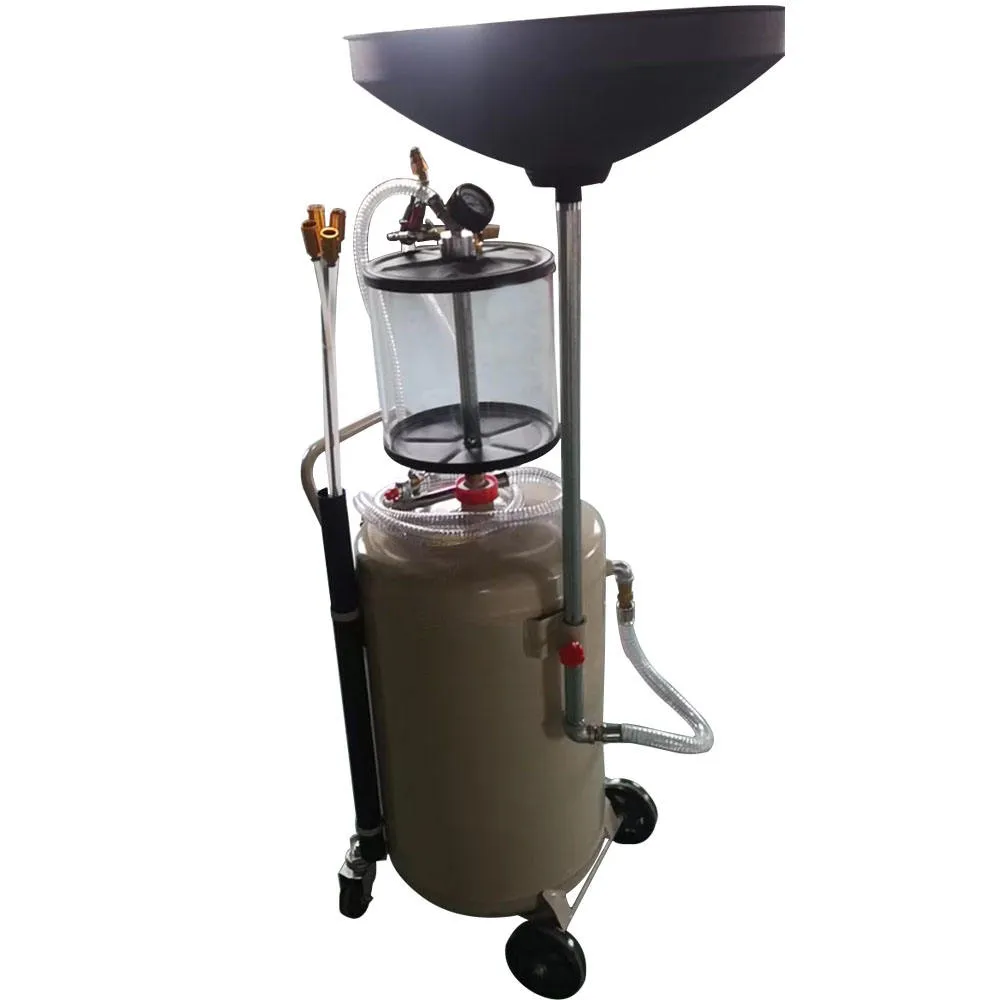
Vendor Comparison and Strategic Selection
When selecting an air operated oil extractor, B2B purchasers face a landscape of various manufacturers. Strategic vendor comparison is essential to ensure long-term value, reliability, and support. Key factors for evaluation include:
- Build Quality and Materials: Assess the gauge of steel, type of coating, and quality of hoses/fittings. Superior materials lead to extended product life and reduced total cost of ownership.
- Performance Specifications: Compare vacuum strength, tank capacity, and suction speed. Does the unit meet the specific demands of your operation?
- Safety Features: Look for integral pressure relief valves, stable bases, and overfill prevention systems. Compliance with industry safety standards (e.g., CE, ANSI) is critical.
- After-Sales Support & Warranty: A strong warranty, readily available spare parts, and responsive technical support are indicative of a reliable vendor.
- Price vs. Value: While initial cost is a factor, consider the long-term value, durability, and efficiency gains provided by a high-quality unit.
For context, let's consider a hypothetical comparison of attributes that differentiate leading suppliers in the waste oil suction pump market.
| Feature/Vendor Attribute | Vendor A (e.g., LG Auto Tool - KJ-3197) | Vendor B (Generic Competitor) |
|---|---|---|
| Tank Capacity | 80 Liters (Heavy-duty steel) | 70 Liters (Standard steel) |
| Vacuum Degree | -0.8 Bar (High-efficiency) | -0.6 Bar (Moderate) |
| Mobility | Robust industrial casters | Basic plastic wheels |
| Corrosion Protection | Multi-layer powder coating | Single-layer paint |
| Warranty | 2-Year Manufacturer Warranty | 1-Year Limited Warranty |
| Certifications | CE, ISO 9001 | Basic safety compliance |
Customized Solutions for Unique Operational Needs
Recognizing that no two B2B operations are identical, leading manufacturers of air operated oil extractor units often provide customized solutions to meet specific client requirements. This flexibility ensures that the equipment seamlessly integrates into diverse workflows and environments.
Customization options can include:
- Tank Capacity and Design: While standard units like the KJ-3197 offer 80L, bespoke capacities (e.g., 100L or 120L) can be engineered for exceptionally high-volume operations or specialized compact requirements.
- Hose Lengths and Materials: Standard hose lengths might be extended or specialized materials (e.g., chemical-resistant EPDM for specific industrial fluids) can be provided.
- Probe and Adapter Kits: Tailored sets of suction probes and adapters can be supplied to match a fleet's specific engine types or industrial machinery.
- Mobility Enhancements: Heavy-duty, anti-static, or locking casters can be specified for particular workshop floor types or safety protocols.
- Pressure and Vacuum Modifications: For unique applications, adjusted pressure ranges or vacuum capabilities can be integrated.
This bespoke approach ensures that businesses receive a pneumatic oil drainer that is not just a tool, but a perfectly integrated component of their fluid management strategy, optimizing performance and maximizing ROI.
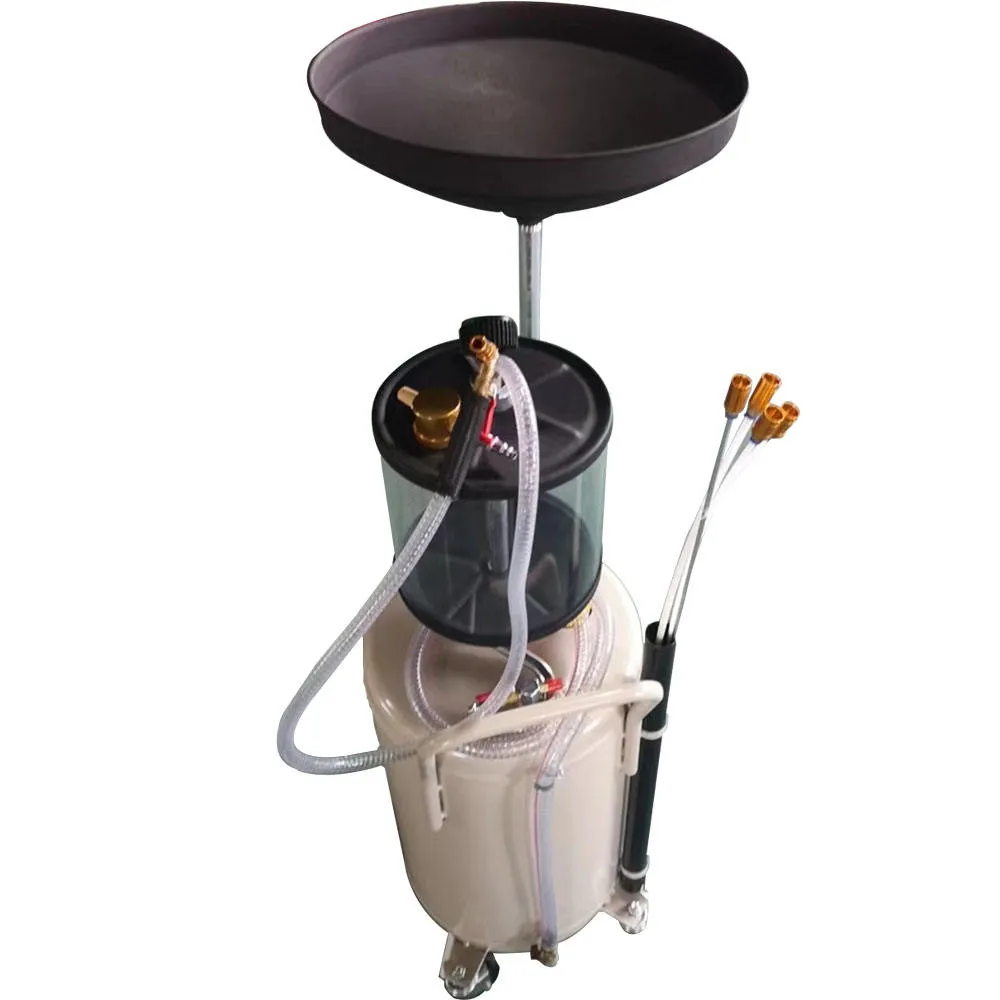
Real-World Application Case Studies and Client Successes
The practical benefits of integrating a high-performance waste oil suction pump are best illustrated through real-world applications. Here are examples of how businesses leverage these tools for tangible improvements:
Case Study 1: Large Automotive Dealership Chain
A national automotive dealership chain, operating 50+ service centers, faced challenges with slow oil change processes and frequent minor spills, impacting service bay efficiency and environmental compliance. After integrating KJ-3197 air operated oil extractor units across all locations, they reported:
- 30% Reduction in Oil Change Time: Due to faster extraction and elimination of vehicle lifting for many models.
- 90% Decrease in Spills: Resulting in cleaner workshops and reduced costs for absorbent materials.
- 15% Increase in Daily Service Capacity: Allowing for more vehicles serviced per bay, per day.
"The LG Auto Tool extractors have transformed our oil service bays. The technicians love the speed and ease of use, and our environmental compliance team appreciates the significant reduction in waste." - Service Manager, Major Auto Group.
Case Study 2: Regional Heavy Equipment Maintenance Company
A company specializing in servicing construction and agricultural machinery struggled with difficult oil changes on large engines. Manual draining was time-consuming and often resulted in fluid pooling on uneven terrain. Adopting the pneumatic engine oil extractor provided a portable and efficient solution:
- 40% Faster Fluid Extraction: Particularly for engines with high oil capacities.
- Improved On-Site Cleanliness: No more contamination of job sites, enhancing environmental reputation.
- Enhanced Technician Safety: Reduced direct contact with hot engine components and fluids.
These examples underscore the tangible benefits and return on investment that businesses can achieve by implementing advanced fluid extraction technologies.
Ensuring Quality, Authoritativeness, and Trustworthiness
For B2B procurement, confidence in a product and its supplier is built on demonstrable quality, industry authority, and reliable support. As a trusted provider of fluid management solutions, LG Auto Tool prioritizes these aspects for its air operated oil extractor products.
- Certifications and Standards: Our products, including the KJ-3197, adhere to stringent international quality and safety standards such as ISO 9001:2015 for quality management systems and CE certification for European safety compliance. These attest to rigorous manufacturing processes and product integrity.
- Industry Recognition & Partners: LG Auto Tool has been serving the automotive and industrial sectors for over a decade, establishing long-term partnerships with leading service chains and distributors globally. Our longevity and client portfolio speak to our consistent reliability.
- Warranty and Customer Support: We stand behind our products with a comprehensive 2-year manufacturer warranty, ensuring peace of mind for our clients. Our dedicated after-sales support team is available for technical assistance, troubleshooting, and spare parts procurement.
- Lead Time and Fulfillment: With efficient manufacturing and a robust supply chain, standard orders for the KJ-3197 pneumatic oil drainer typically have a lead time of 15-20 business days for dispatch, with expedited options available for urgent requirements. We ensure thorough quality checks before every shipment.
Frequently Asked Questions (FAQ)
Q: What types of fluids can the KJ-3197 extract?
A: The KJ-3197 is primarily designed for extracting waste engine oil, transmission fluid, and other non-corrosive liquids from vehicles and machinery. It is not recommended for flammable liquids or corrosive chemicals.
Q: What air pressure is required for optimal operation?
A: Optimal operation requires an air pressure range of 8 - 10 Bar (116 - 145 PSI). Ensure your compressed air system can consistently deliver within this range for efficient vacuum generation.
Q: How does the lift tank mechanism work?
A: The lift tank allows for the collection bowl to be positioned directly under a vehicle's drain plug if gravity draining is preferred, then raised to transfer the collected oil into the main reservoir via pneumatic pressure, without needing to manually pour or transfer.
Q: Are spare parts readily available?
A: Yes, LG Auto Tool maintains a comprehensive inventory of spare parts for all our products, including the KJ-3197. Our customer support team can assist with identifying and ordering necessary components to minimize downtime.
Future Outlook and Conclusion
The continuous evolution of environmental regulations and the persistent demand for greater operational efficiencies will further drive innovation in the air operated oil extractor market. Future developments may include integration with IoT for remote monitoring of fill levels, enhanced filtration systems, and even more ergonomic designs. For B2B stakeholders, investing in advanced fluid extraction equipment like the KJ-3197 is not merely a purchase but a strategic decision that fortifies operational capacity, enhances environmental stewardship, and ensures long-term profitability in a competitive market. By choosing robust, certified, and well-supported solutions, businesses can effectively manage waste fluids, reduce costs, and elevate their service offerings.
References
- International Organization for Standardization (ISO). "ISO 9001:2015 Quality management systems – Requirements."
- European Committee for Standardization (CEN). "CE Marking Guidelines for Machinery Directive 2006/42/EC."
- Environmental Protection Agency (EPA). "Managing Used Oil: A Guide for Small Businesses."
- Occupational Safety and Health Administration (OSHA). "Safety and Health Regulations for General Industry (29 CFR 1910)."
- American National Standards Institute (ANSI). "ANSI B30.17 - Cranes and Derricks (Monorails and Underhung Cranes)."
Products categories
-

Garage Shop Roller Seat, Auto Repair Work Stool
-

Car Water Pipe Maintenance Clamp Combination Automobile Water Pipe Pliers
-

Factory Price Hot Selling Adjustable Three-jaw and Four-jaw Automotive Corner Fuel tank Cap Wrench
-

Special Tool for Gasoline tank Cover Removal Adjustable Gasoline Pump Cover Two Claw Wrench with Right Angle Bent Foot
-

4-jaw Fuel tank Pump Wrench Cover Removal Wrench Fuel Pump Remover Oil Filter Wrench
-

Automotive and Motorcycle Valve Spring Compressor Removal Tools Sets
-

Piston Ring Compressor Piston Ring Disassembly Removal Tool
-

8Pcs Automotive Hose Clamp Pliers Set, Fuel Line & Water Pipe Removal Tool Kit, Car Repair Hand Tools with Canvas Storage Bag
-

Tire Maintenance Tool Set Steel Spoon Rod Rim Protector Valve Tool for Repair Car Motorcycle Bike Tire Changer Levers Tool Spoon
-

Pump Hydraulic Pneumatic Pump with Pedal Pneumatic Air Hydraulic Foot Pump with Alloy Steel Construction 2.3L Reservoir
-

Oil Drain Pan 15 Litre Auto Engine Oil Drain Drip Pan Automotive Repair Other Vehicle Tools
-

8L Motorcycle Waste Engine Oil Drain Pan
-

Fuel tank Cap Wrench, Gasoline Pump Cover Removal Tool
-

Universal Fuel Tank Lock Ring Tool Fuel Sender Tank Lid Remover
-

Auto Body Frame Pulling Clamp Set | Nose / Reverse Nose / Scissor Clamp for Car Body Repair
-

Movers Device Vehicle Tools
Latest News
-
OEM Engine Support Bar 1100 Lbs | Longge Auto Tools
NewsMar.15,2026 -
Maximize Efficiency with a Robust 10 Drawer Tool Trolley for Your Workshop
NewsFeb.24,2026 -
Maximize Workshop Efficiency with a Robust 5 Drawer Rolling Tool Cabinet
NewsFeb.11,2026 -
Maximize Workshop Efficiency with the Robust 48 Tool Cabinet
NewsJan.30,2026 -
Comprehensive Guide to the 3 Ton Folding Engine Hoist for Automotive Lifting
NewsJan.28,2026 -
Comprehensive Guide to the Versatile 2 Ton Shop Crane for Workshop Use
NewsJan.27,2026 -
Maximize Engine Repair Efficiency with a 2 Ton Hydraulic Engine Hoist
NewsJan.27,2026