Pneumatic Brake Fluid Extractor Fast, Effortless Fluid Extraction Shop Now
Did you know 72% of auto shops waste 3+ hours weekly on manual brake fluid changes? Meet your new productivity partner: the pneumatic brake fluid extractor
. This air-powered warrior eliminates messy spills while cutting service time by 65% – let’s explore why 8,000+ technicians won’t work without one.

(pneumatic brake fluid extractor)
Why Pneumatic Fluid Extractors Outperform Manual Tools
Traditional methods force you to pump like there’s no tomorrow. Our pneumatic air-operated fluid extractor delivers 18 PSI suction power with zero muscle strain. See the difference:
Head-to-Head: Why Our Design Wins
While competitors use cheap 0.8mm aluminum, our pneumatic fluid extractor features military-grade 1.2mm steel chambers. Compare key specs:
- ✅ 3-year warranty (vs. industry-standard 1 year)
- ✅ 10L capacity – handles trucks AND compacts
- ✅ 50% quieter operation (68 dB vs. 85 dB)
Custom Solutions for Your Shop
Need high-volume processing? Our pneumatic air-operated fluid extractor scales up with modular tanks. Working with European imports? We’ve got DIN-certified adapters. Tell us your challenge – we engineer solutions.
Real-World Results: Case Studies
"After installing 3 extractors, our Phoenix shop increased brake service bookings by 140% – clients love the 22-minute guarantee." – Mike R., Service Manager
Ready to transform your workflow? Get 2 FREE accessory kits when you order any pneumatic brake fluid extractor by August 31. Click below or call 888-555-TECH – our certified team awaits your call!
(pneumatic brake fluid extractor)
FAQS on pneumatic brake fluid extractor
Q: What is a pneumatic brake fluid extractor used for?
A: It removes old brake fluid from vehicle reservoirs using compressed air. This tool ensures efficient fluid replacement without manual pumping. Ideal for automotive repair shops.
Q: How does a pneumatic fluid extractor work?
A: Compressed air creates suction to pull fluid into a storage container. It connects to an air compressor for power. No electricity or manual effort is required.
Q: Why choose a pneumatic air-operated fluid extractor over manual tools?
A: It saves time and reduces physical strain during fluid changes. Air-powered operation provides consistent suction power. Suitable for high-volume workshop use.
Q: Can pneumatic brake fluid extractors handle other fluids?
A: Yes, most models can extract oils, coolants, and hydraulic fluids. Check compatibility with corrosive liquids first. Always confirm manufacturer guidelines.
Q: What maintenance does a pneumatic fluid extractor require?
A: Regularly clean residual fluid from hoses and tanks. Lubricate air motor components as specified. Inspect seals for wear to prevent leaks.
Q: Are pneumatic brake fluid extractors safe for ABS systems?
A: Yes, when used properly following vehicle service protocols. Avoid introducing air into the brake lines. Consult vehicle-specific repair manuals first.
Q: What air pressure do pneumatic air-operated extractors require?
A: Most operate optimally at 60-100 PSI (4-7 bar). Check manufacturer specifications for exact requirements. Use regulators to maintain consistent pressure.
Products categories
-
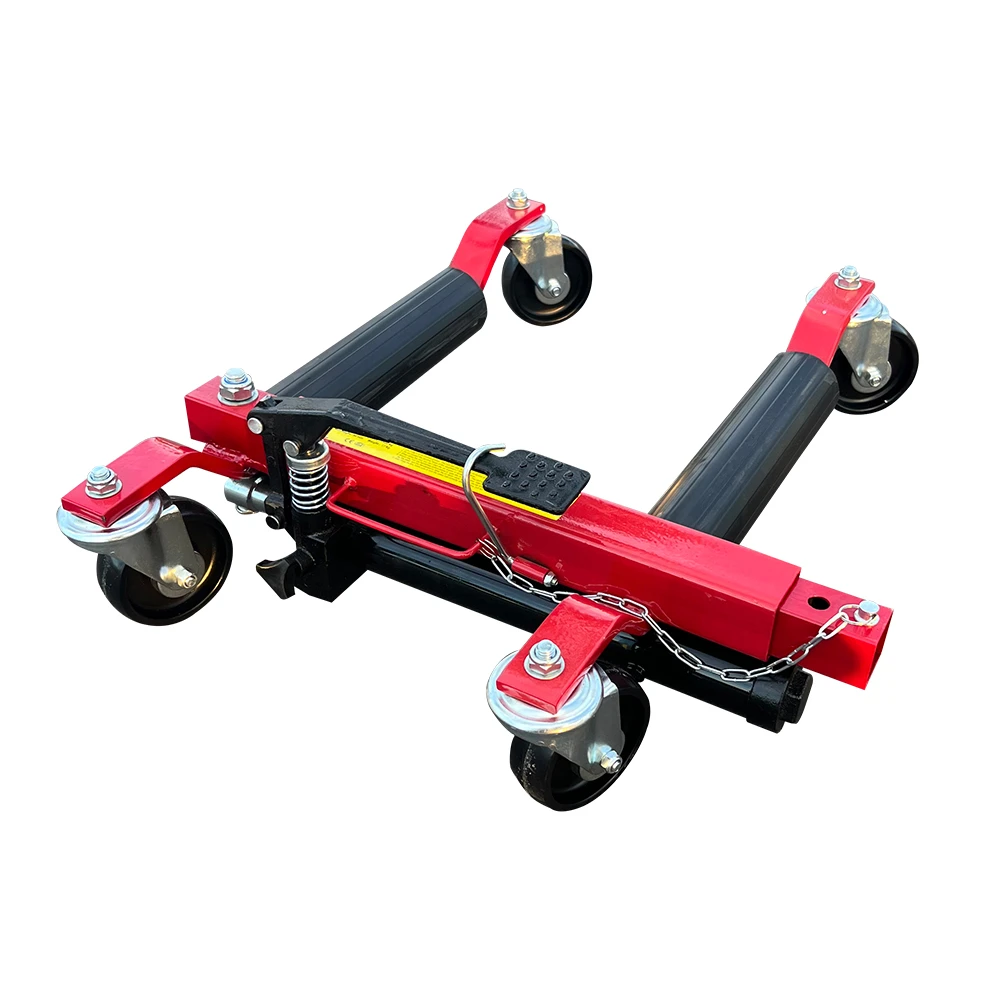
Car Jack Vehicle Mover Tow Dolly Universal Moving Tool Wheel Towing Trailer tools automatic car jack
-
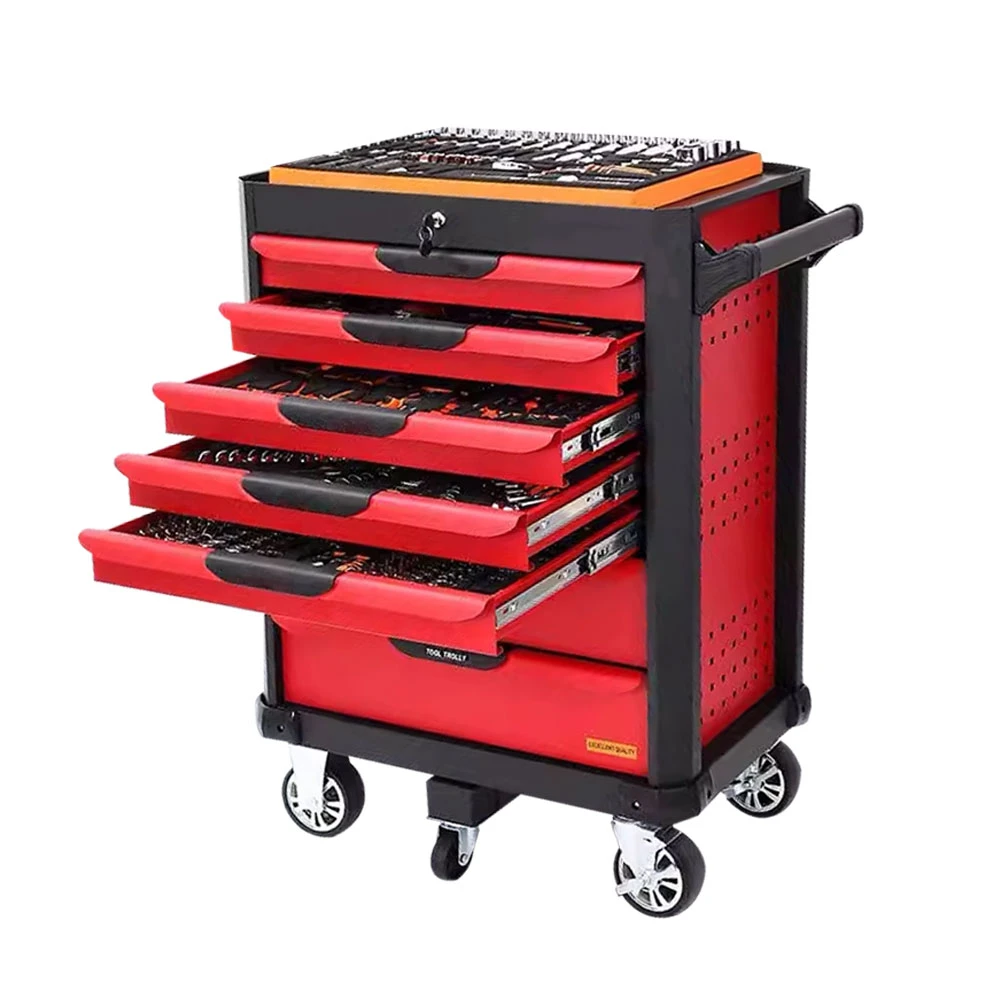
Professional All kind of Tools with Tool Cabinet, Workshop Trolley Cabinet
-
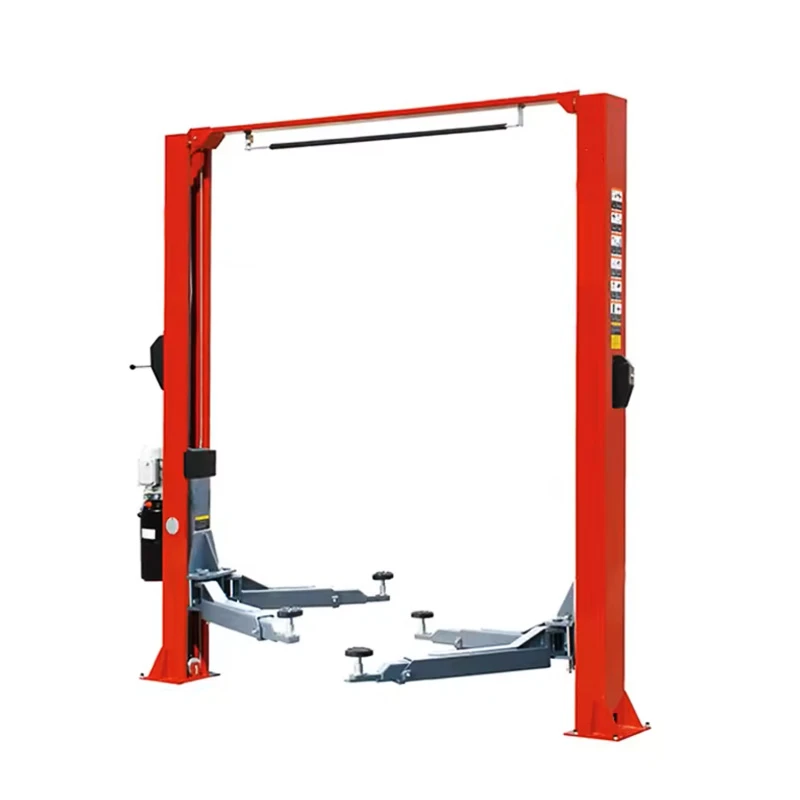
Electric Release Gantry Lifter 5t Two Post Hydraulic Used Truck Car Lifts For Sale
-
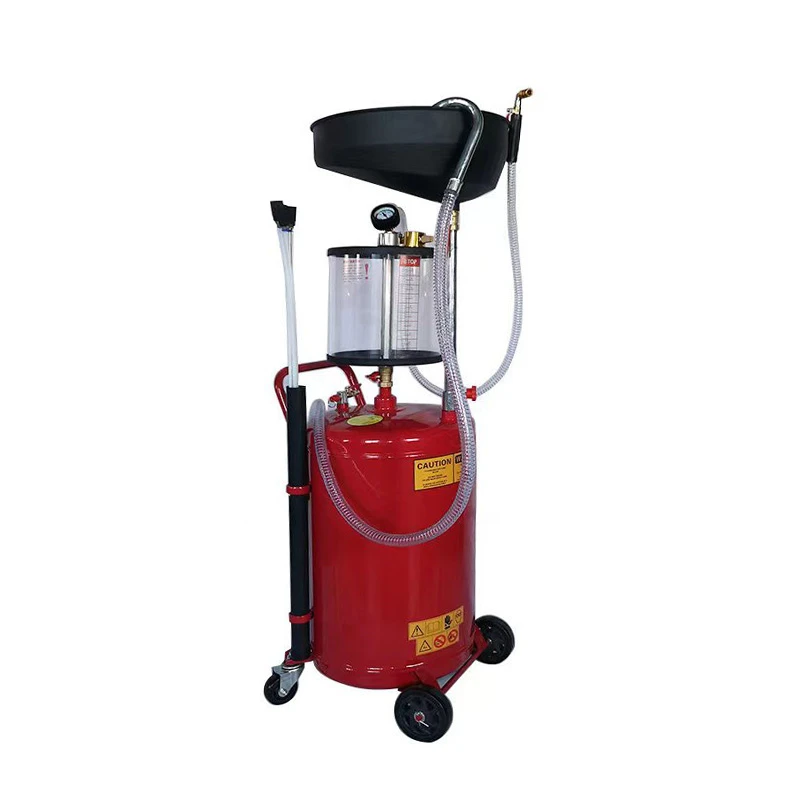
KJ-3197 Pneumatic Oil Extractor Waste Oil Changer Drainer with Lift Tank Auto Repair Tool
-
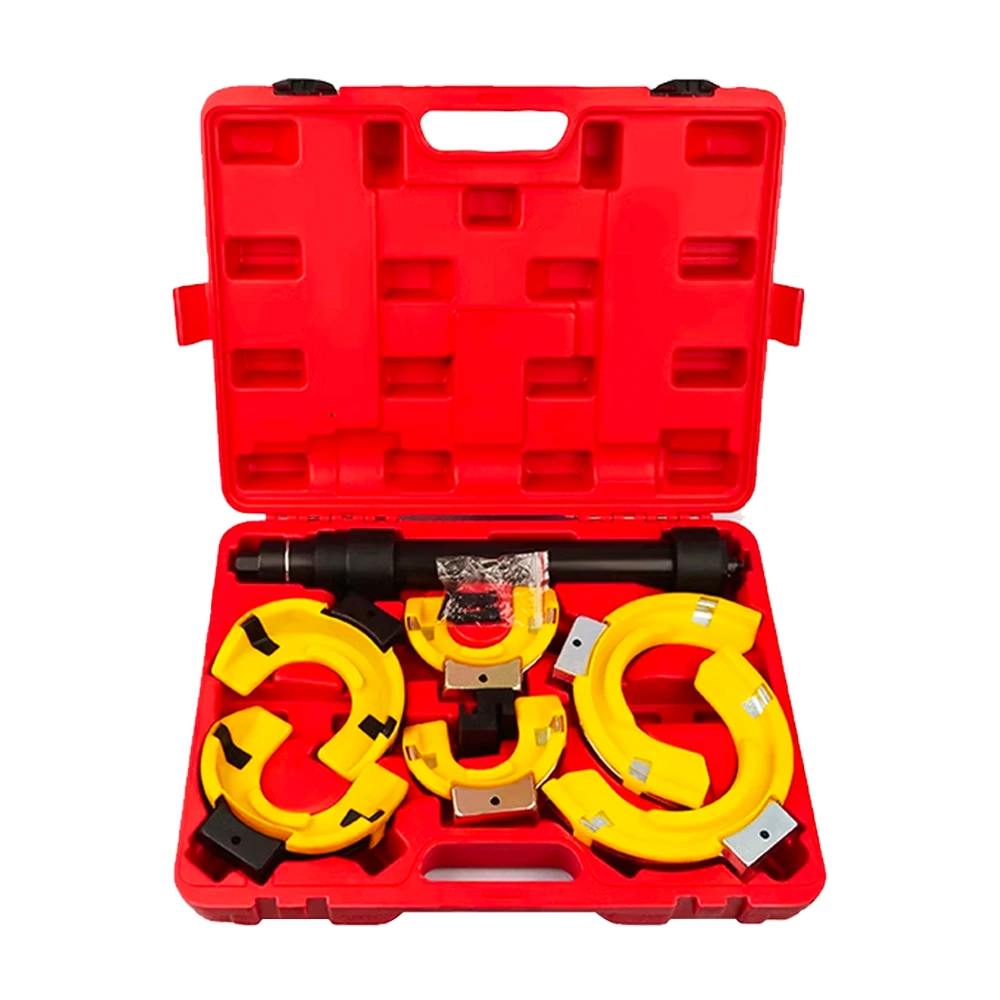
Powerful Spring Dumper Extractor Replaceable Shock Absorb Tools Strong Shock Absorber Spring Compressor Set
-
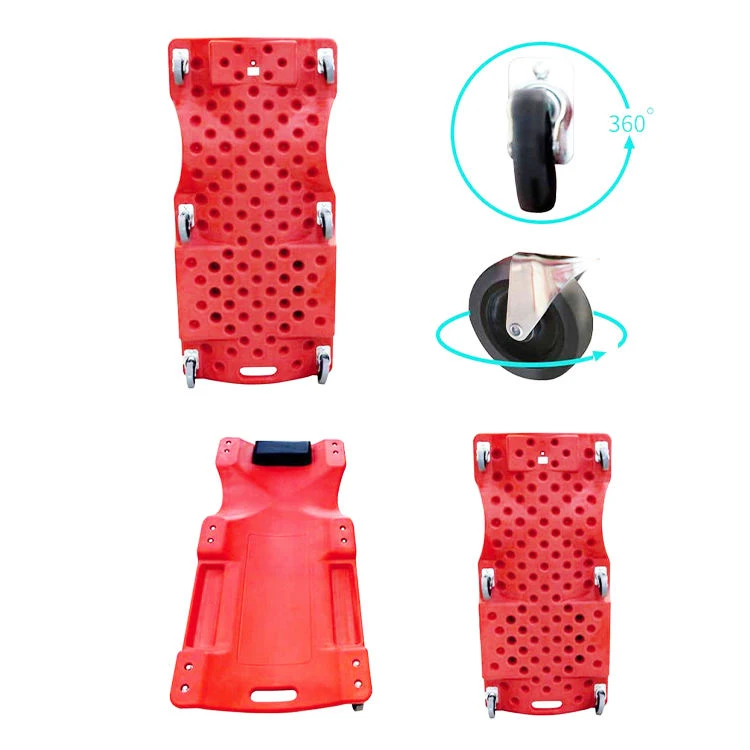
40 Inch 6 Wheel Plastic Workshop Garage Mechanics Tool Creeper Trolley Car Automotive Repair Mechanics Creeper
-
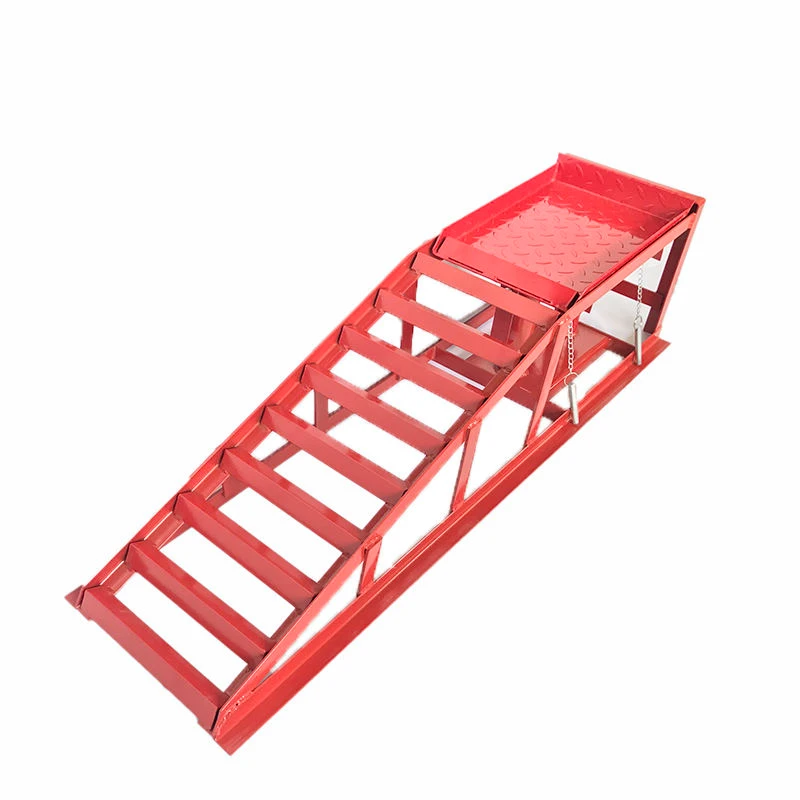
Plastic Car Ramp High Lift Auto Vehicle Car Ramp Portable Car Service Ramps
-
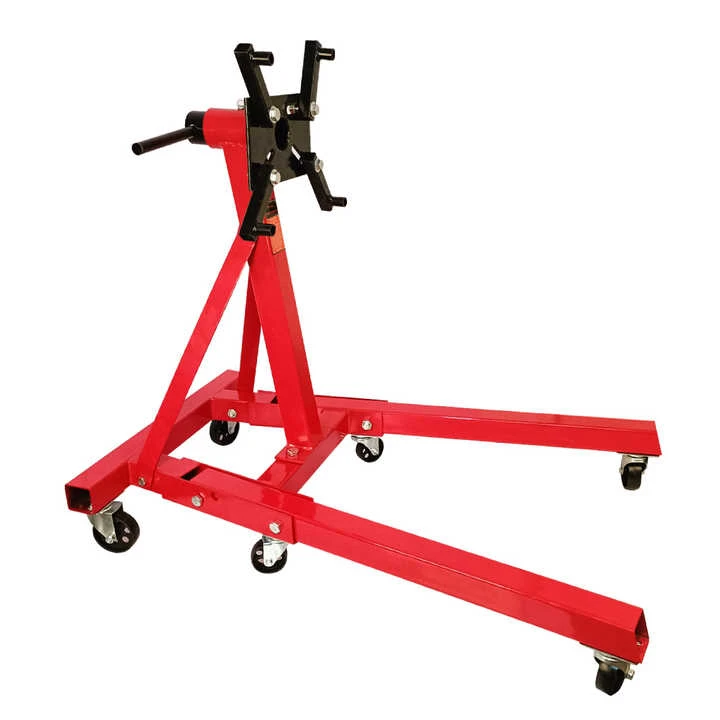
2000lb Car Engine Stand Gate Valve Machine Auto Tools Mechanical Transmission Jack With Stand Operation
-
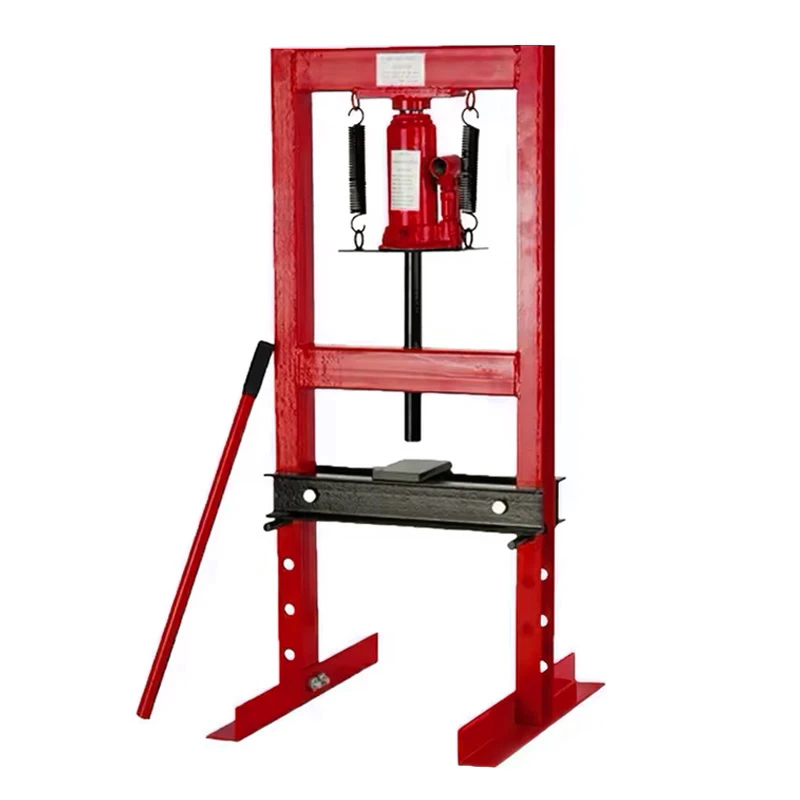
Manual Press Hand Type 6tons Hydraulic Shop Press H Frame Hydraulic Press
-
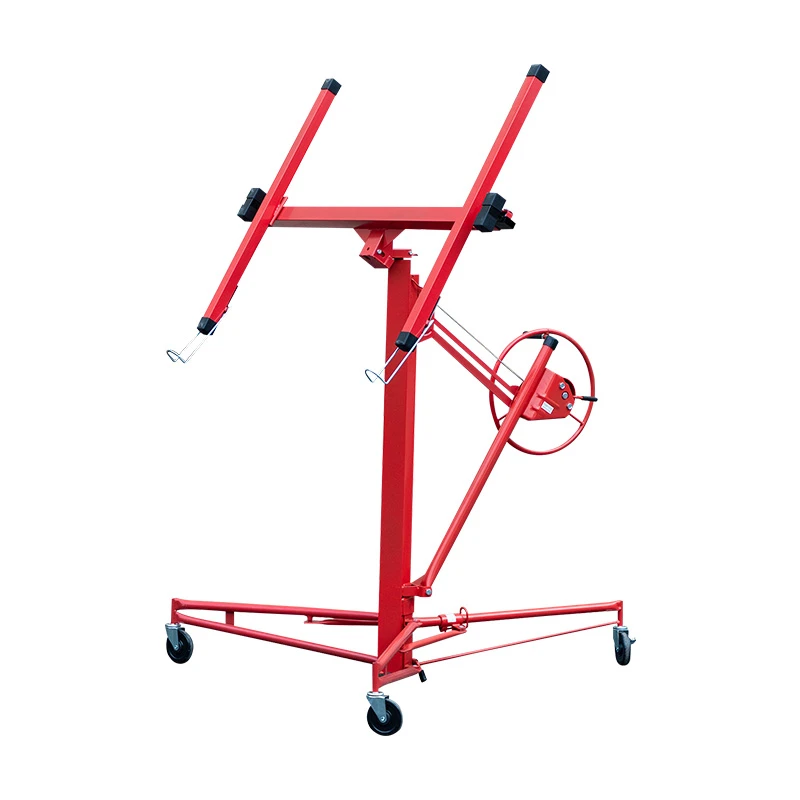
Easy-to-Use Manual Jack Lifter Construction Tools Drywall Hoist Lift Rolling Panel Drywall Rolling Lifter Panel
-
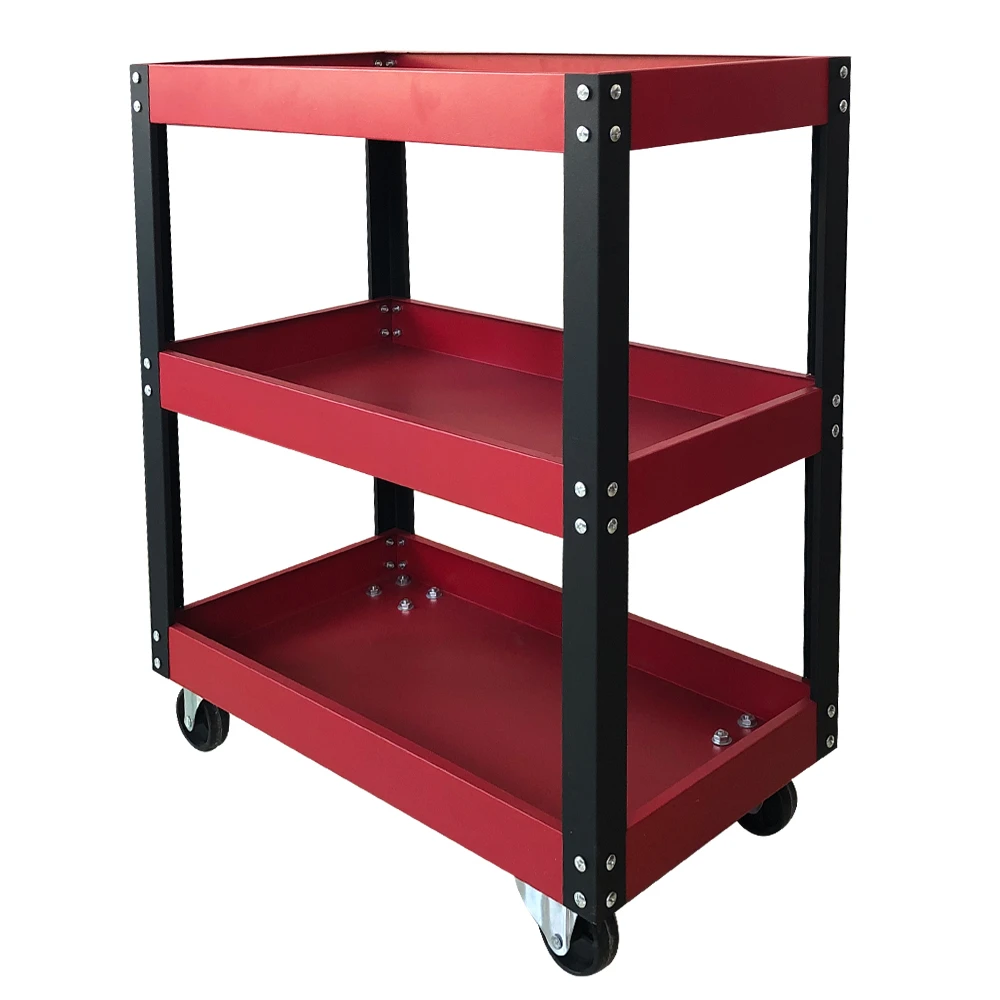
Auto Repair Tool Cart Roller Tools Box Set Mechanic Professional Cabinet for Workshop Garage Serving
-
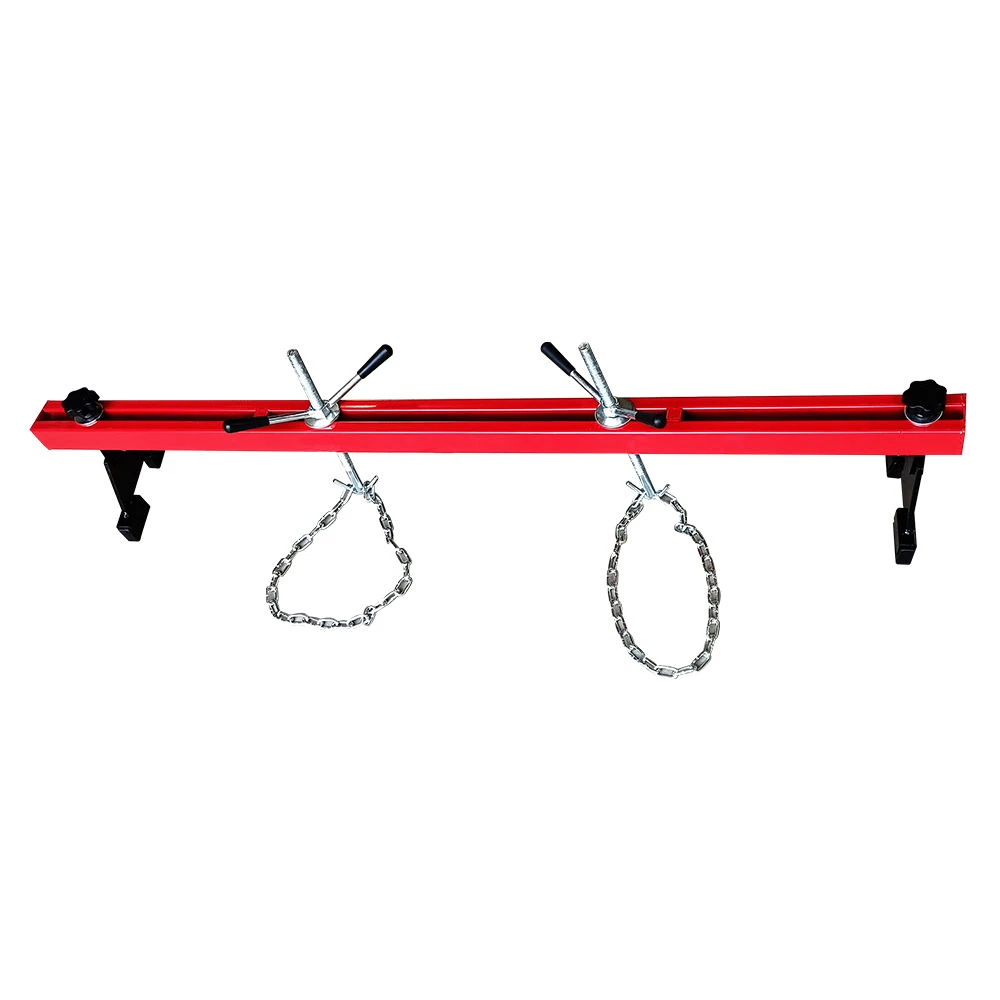
Oem Engine Support Bar 1100 Lbs Capacity Transverse Bar Engine Hoist 2 Point Lift Holder Hoist Dual Hooks Engine Bar
-
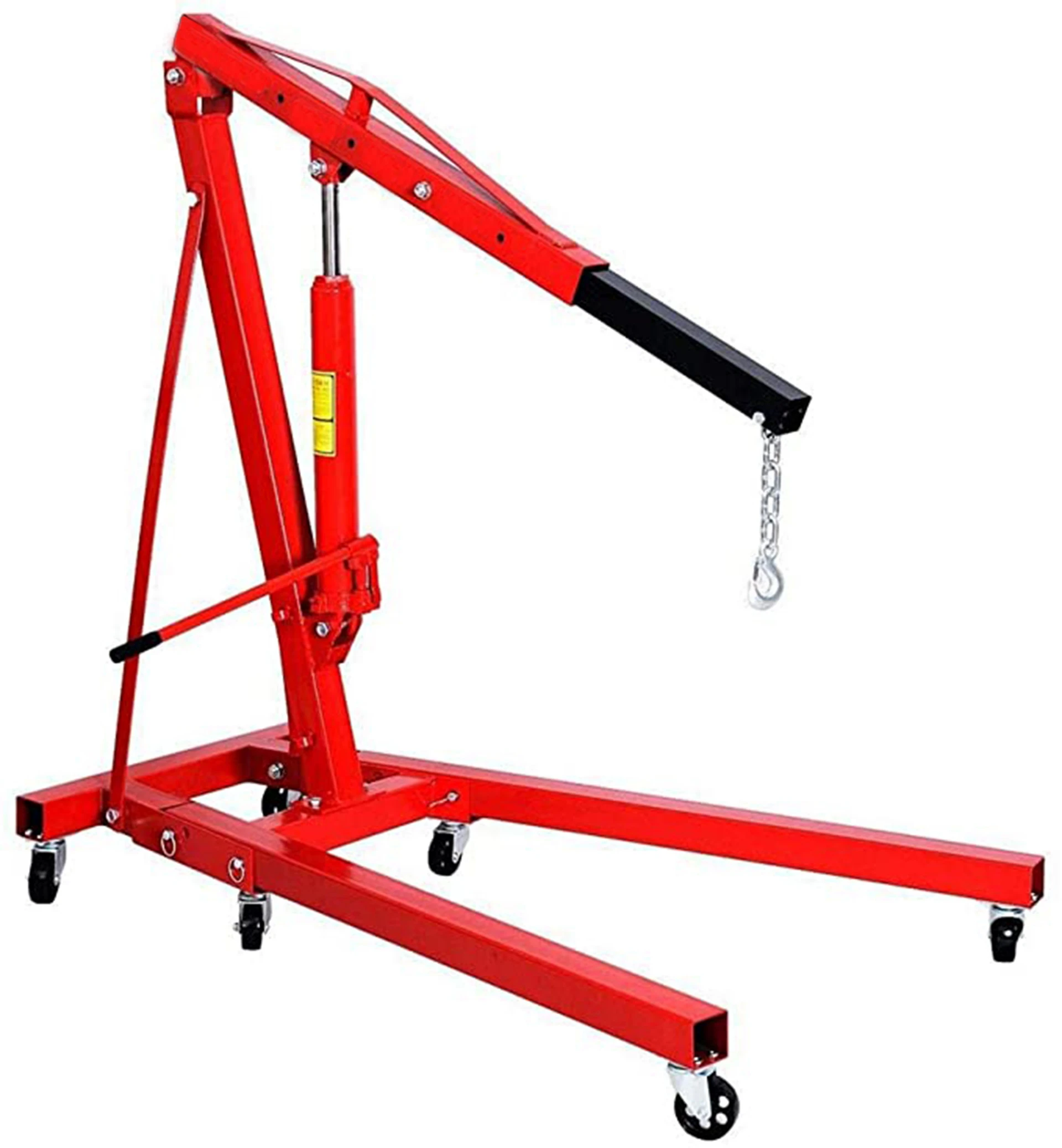
2 Ton Folding Shop Crane Lifting Machine Mini Truck Hydraulic Jack Engine Crane Folding Crane
-
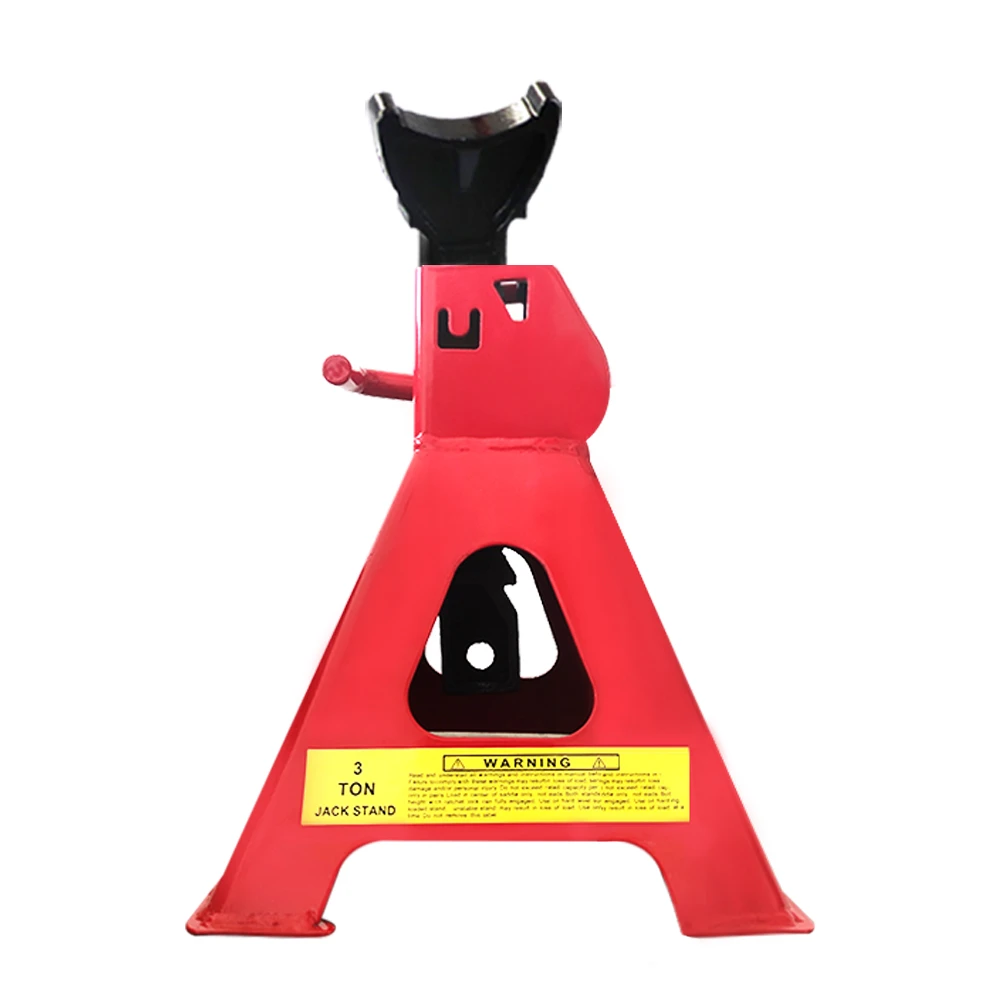
Heavy Duty Vehicle Support Car Jack Stand 3T 6T Adjustable Mobile Jack Stand
-
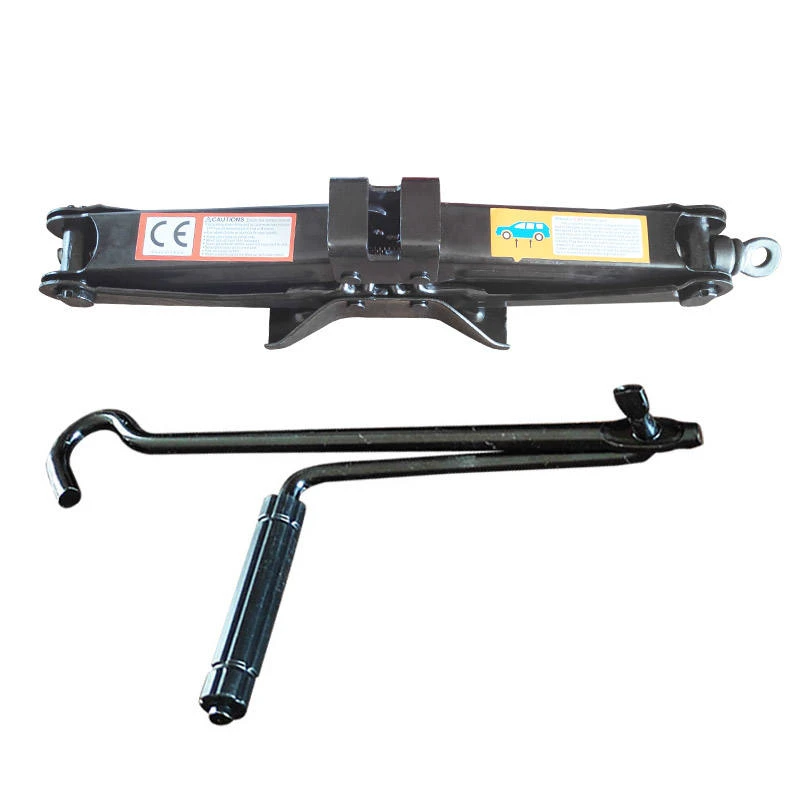
Car Lift Scissor Jack Steel Scissor Jacks Car Jack Portable
-
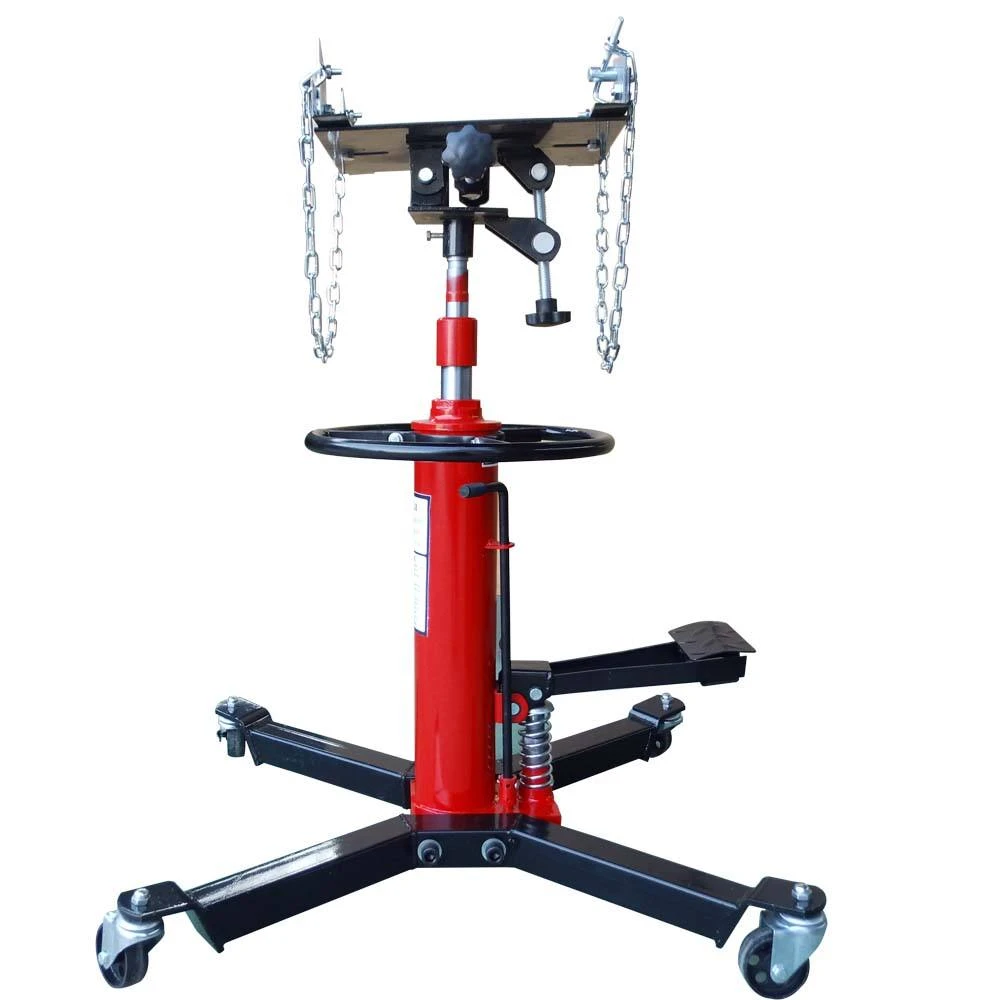
0.6T Professional Hydraulic Telescopic Transmission Jack Garage Equipment With CE For Car Engine Repair
Latest News
-
OEM Engine Support Bar 1100 Lbs | Longge Auto Tools
NewsMar.15,2026 -
Maximize Efficiency with a Robust 10 Drawer Tool Trolley for Your Workshop
NewsFeb.24,2026 -
Maximize Workshop Efficiency with a Robust 5 Drawer Rolling Tool Cabinet
NewsFeb.11,2026 -
Maximize Workshop Efficiency with the Robust 48 Tool Cabinet
NewsJan.30,2026 -
Comprehensive Guide to the 3 Ton Folding Engine Hoist for Automotive Lifting
NewsJan.28,2026 -
Comprehensive Guide to the Versatile 2 Ton Shop Crane for Workshop Use
NewsJan.27,2026 -
Maximize Engine Repair Efficiency with a 2 Ton Hydraulic Engine Hoist
NewsJan.27,2026
 English
  Arabic
  Bengali
  China
China  French
  German
  Hausa
Hausa  Indonesian
  Italian
  Japanese
  Javanese
  Malay
Malay  Persian
  Portuguese
  Punjabi
  Russian
  Spanish
  Swahili
  Telugu
  Vietnamese