Efficient and Reliable Pneumatic Oil Changers for Industrial and Automotive Use
In today’s fast-paced automotive and industrial maintenance environments, using advanced tools that save time and improve safety is essential. The pneumatic oil changer and air operated fluid extractor are indispensable devices designed to streamline the oil extraction process. Powered by compressed air, these units efficiently extract various fluids such as engine oil and lubricants from automotive engine oil pans, machinery reservoirs, and industrial tanks, making fluid changes quicker and cleaner.
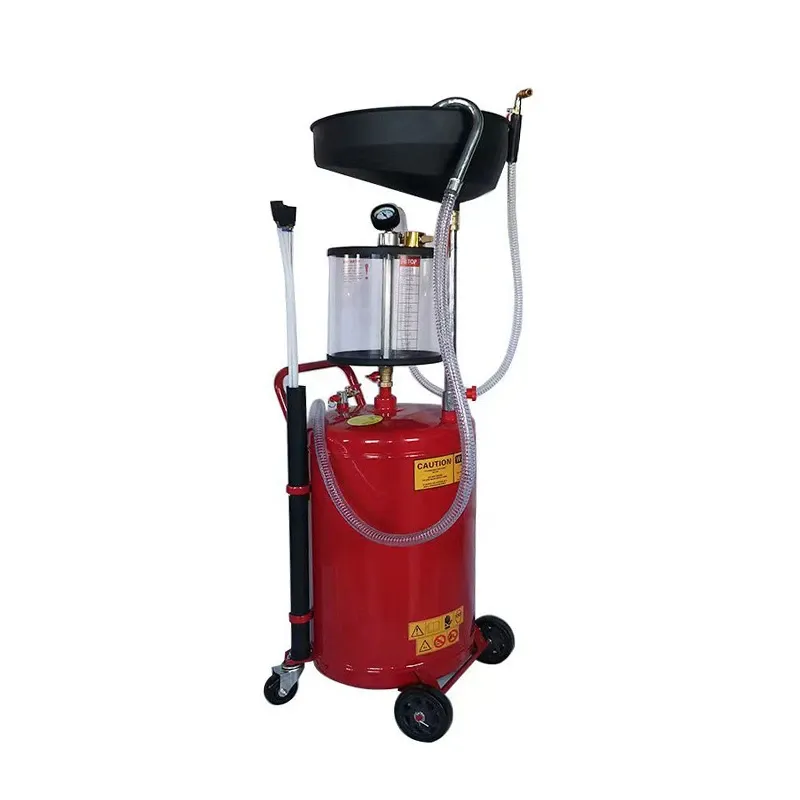
How Air Powered Oil Suction Pumps Improve Fluid Extraction Efficiency
The air powered oil suction pump relies on the power of compressed air to drive its internal mechanism, typically a piston or diaphragm, creating suction to draw out fluids. When compressed air enters the pneumatic pump, it pushes the piston in a reciprocating motion. This movement generates negative pressure inside the pump chamber, which pulls oil or other fluids into the chamber through the suction pipe.
As the piston reverses direction, the fluid is forced out through the outlet pipe, completing the extraction cycle. Unlike manual oil pumps, this automated approach significantly reduces physical labor and accelerates the extraction process, leading to improved efficiency and cleaner operations.
Key Features and Benefits of Pneumatic Air Operated Fluid Extractors
The pneumatic air operated fluid extractor offers numerous advantages over traditional extraction methods. Because it uses compressed air, it can deliver consistent and powerful suction without the need for electricity or manual pumping. This makes it ideal for use in workshops, garages, and industrial facilities where compressed air systems are already in place.
These extractors are versatile and compatible with various fluid types, including engine oil, transmission fluid, and lubricants. They minimize spillage and contamination risks, ensuring safer and more environmentally friendly fluid management. Additionally, pneumatic extractors are often designed for easy portability and quick setup, enhancing convenience for users.
Application Scenarios for Pneumatic Oil Changers in Automotive and Industrial Settings
The pneumatic oil changer is widely used in automotive service centers for fast and effective oil changes in vehicles. Its ability to quickly extract oil from engine pans without needing to lift the vehicle saves time and labor costs. In industrial environments, air operated fluid extractors are invaluable for maintaining machinery by facilitating regular oil changes, preventing equipment wear, and reducing downtime.
These tools are suitable for use with a broad range of machines and vehicles, from small cars to heavy-duty trucks and industrial equipment. Their efficient and clean operation helps maintain optimal machine performance and prolongs equipment lifespan.
How to Safely Operate a Pneumatic Air Operated Fluid Extractor
To ensure safe and effective use of a pneumatic air operated fluid extractor, start by connecting the extractor to a reliable compressed air source that meets the recommended pressure requirements. Insert the suction tube into the fluid reservoir or oil pan securely.
Activate the air supply to initiate the pump’s operation, monitoring the extraction process closely to avoid overfilling the collection container. Always wear appropriate protective gear such as gloves and eye protection to prevent exposure to hot fluids or contaminants.
After use, disconnect the air supply and clean the device according to manufacturer guidelines to maintain optimal performance and prolong service life.
pneumatic oil changer FAQs
What fluids can be extracted using a pneumatic oil changer?
A pneumatic oil changer can extract various fluids, including engine oil, lubricating oil, transmission fluid, and other automotive or industrial fluids from tanks, oil pans, and reservoirs.
How does an air operated fluid extractor work?
It uses compressed air to power a piston or diaphragm inside the pump, creating suction that draws fluid into the chamber and then expels it through an outlet pipe, automating the extraction process without manual effort.
What are the advantages of using a pneumatic air operated fluid extractor?
Advantages include efficient and fast extraction, reduced physical labor, compatibility with multiple fluid types, minimized spillage, and operation without electricity, making it ideal for various workshop environments.
Can pneumatic oil changers be used for heavy-duty industrial machinery?
Yes, these extractors are designed to handle fluids from a wide range of machinery, including heavy-duty industrial equipment, helping with regular maintenance and minimizing downtime.
What safety precautions should I take when using a pneumatic oil changer?
Ensure the air pressure is within manufacturer specifications, wear protective gloves and eyewear, secure all connections, avoid contact with hot fluids, and clean the equipment after use to prevent contamination and maintain safety.
Products categories
-
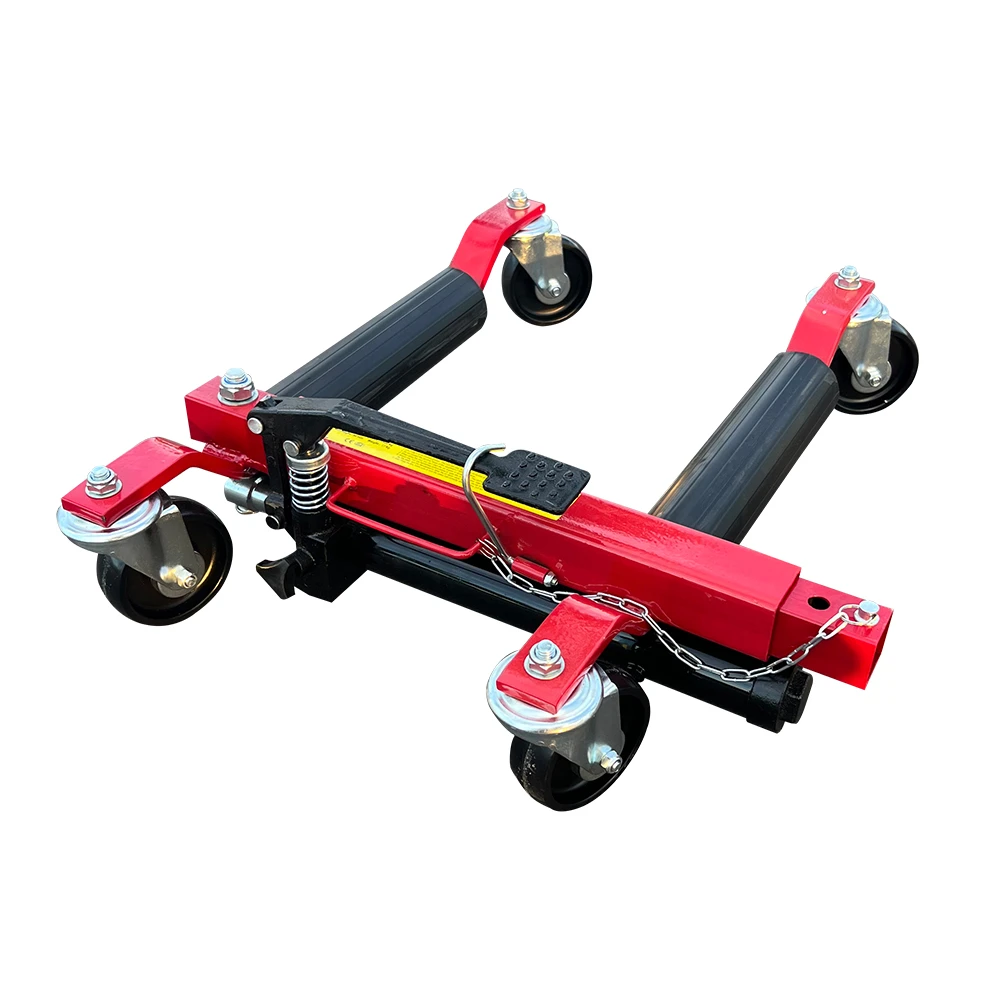
Car Jack Vehicle Mover Tow Dolly Universal Moving Tool Wheel Towing Trailer tools automatic car jack
-
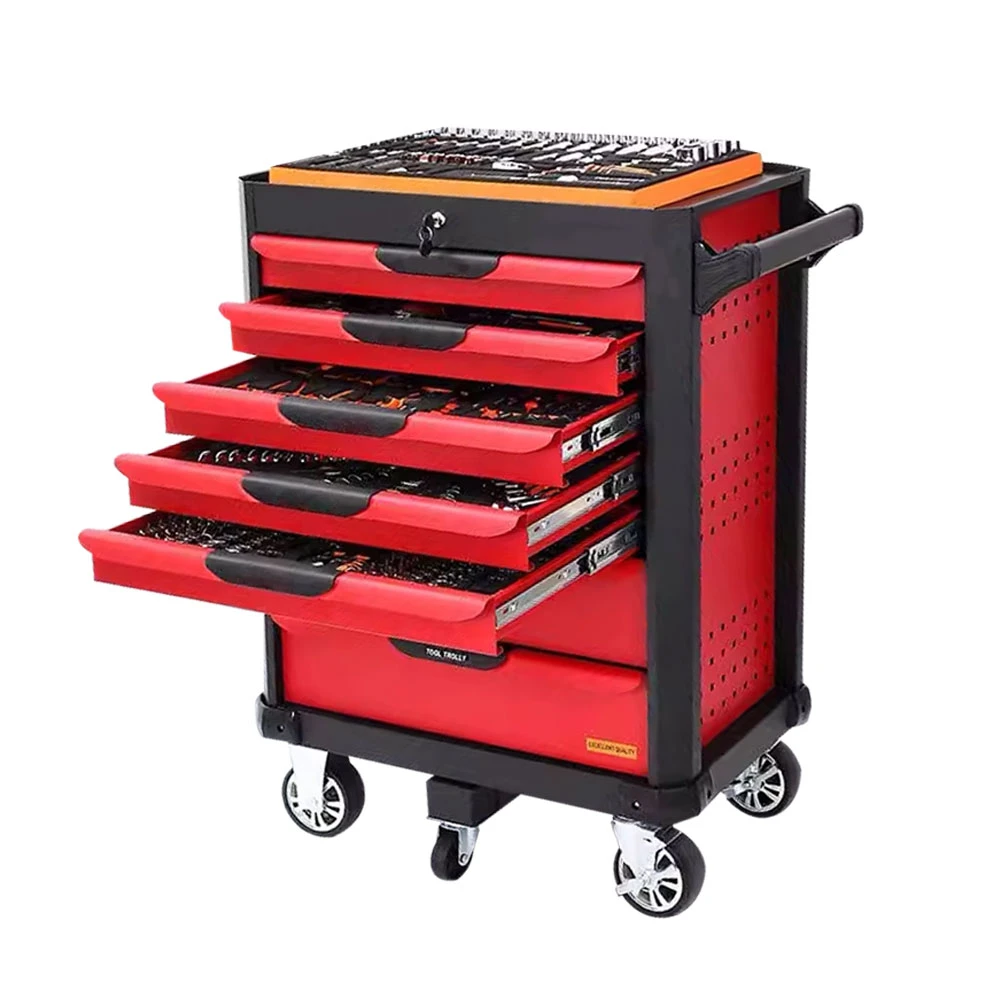
Professional All kind of Tools with Tool Cabinet, Workshop Trolley Cabinet
-
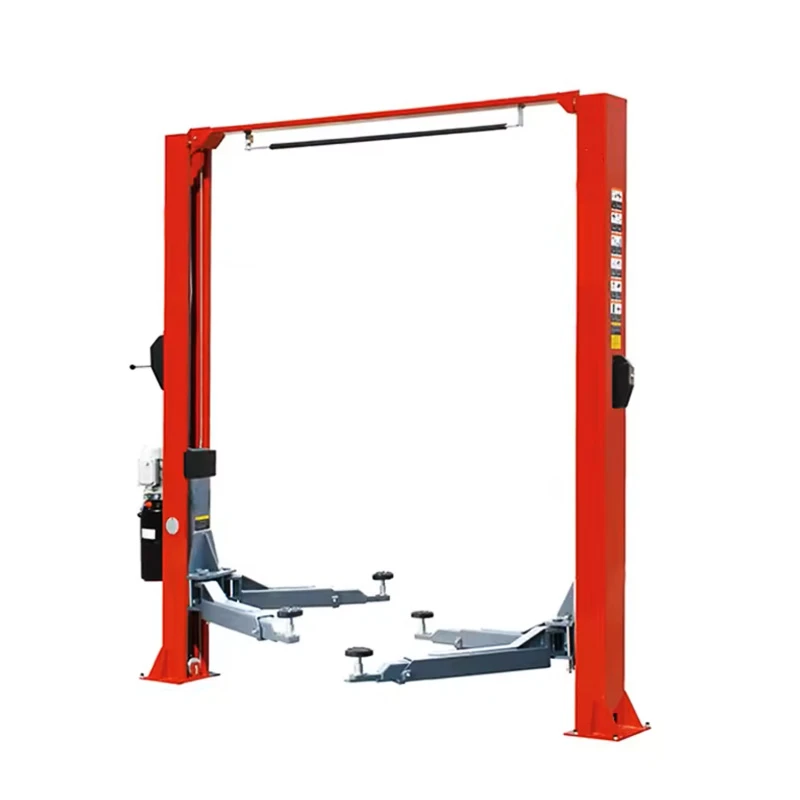
Electric Release Gantry Lifter 5t Two Post Hydraulic Used Truck Car Lifts For Sale
-
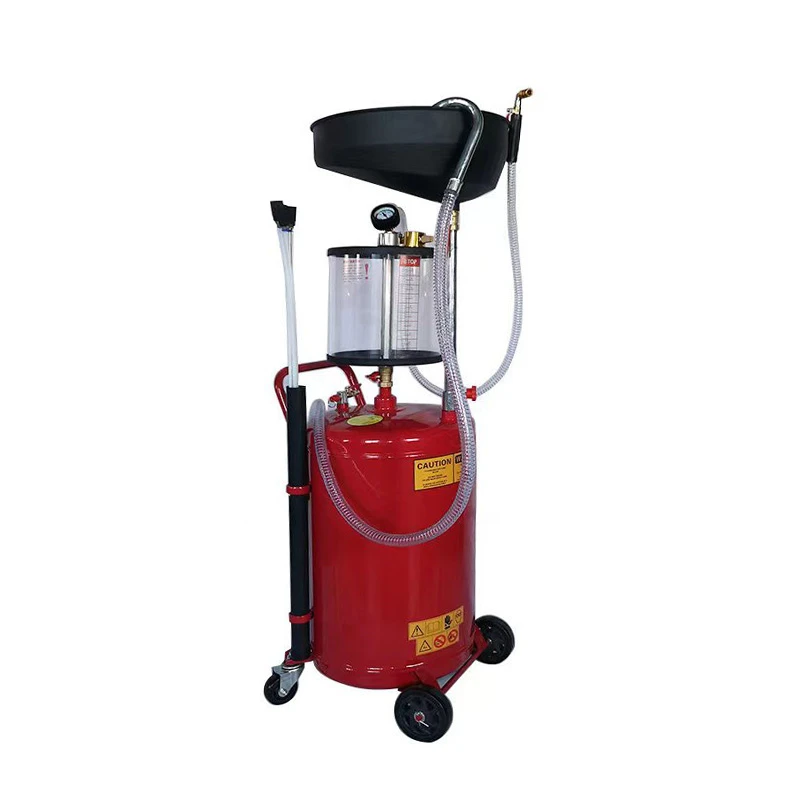
KJ-3197 Pneumatic Oil Extractor Waste Oil Changer Drainer with Lift Tank Auto Repair Tool
-
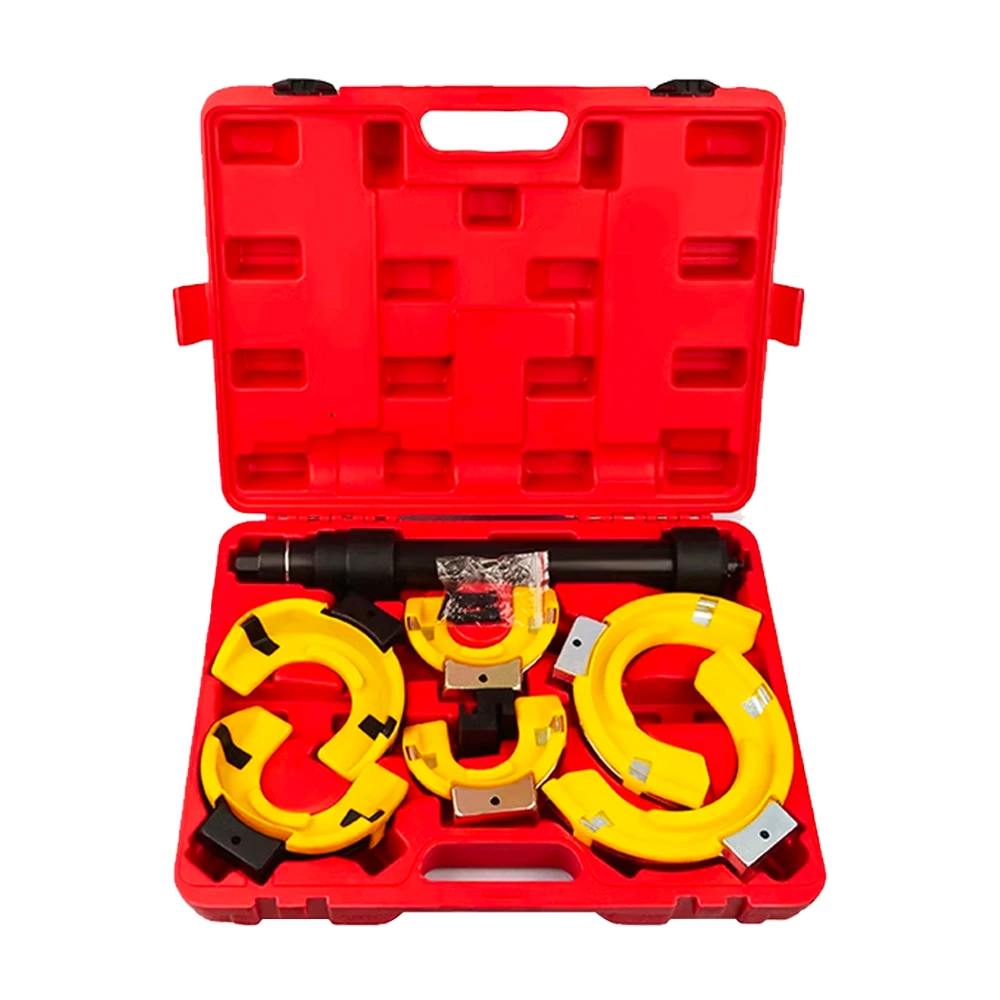
Powerful Spring Dumper Extractor Replaceable Shock Absorb Tools Strong Shock Absorber Spring Compressor Set
-
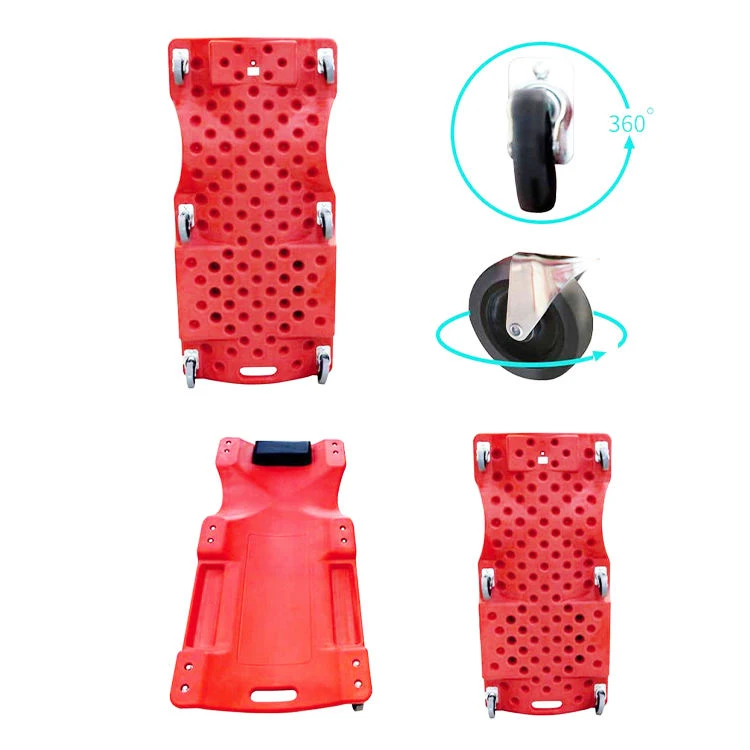
40 Inch 6 Wheel Plastic Workshop Garage Mechanics Tool Creeper Trolley Car Automotive Repair Mechanics Creeper
-
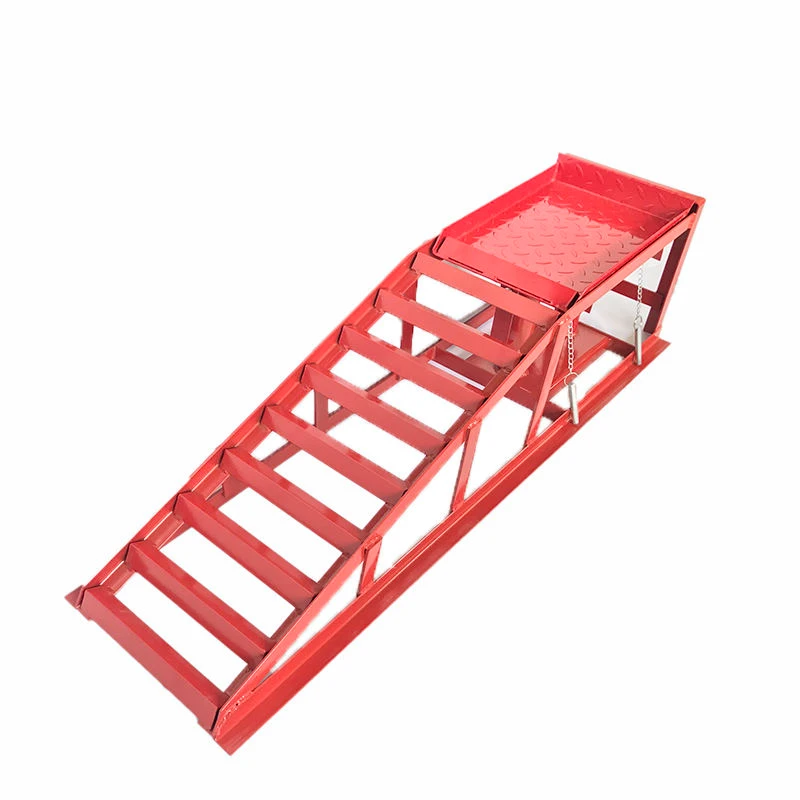
Plastic Car Ramp High Lift Auto Vehicle Car Ramp Portable Car Service Ramps
-
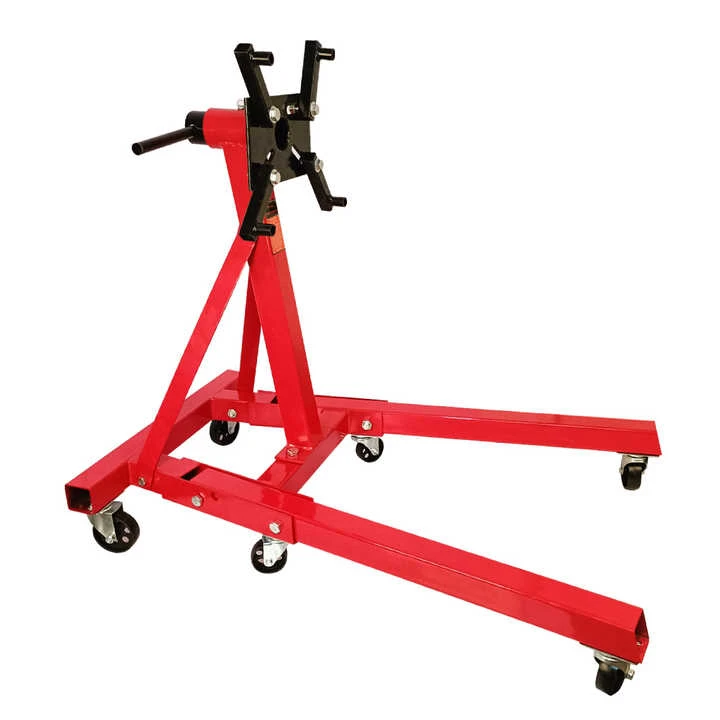
2000lb Car Engine Stand Gate Valve Machine Auto Tools Mechanical Transmission Jack With Stand Operation
-
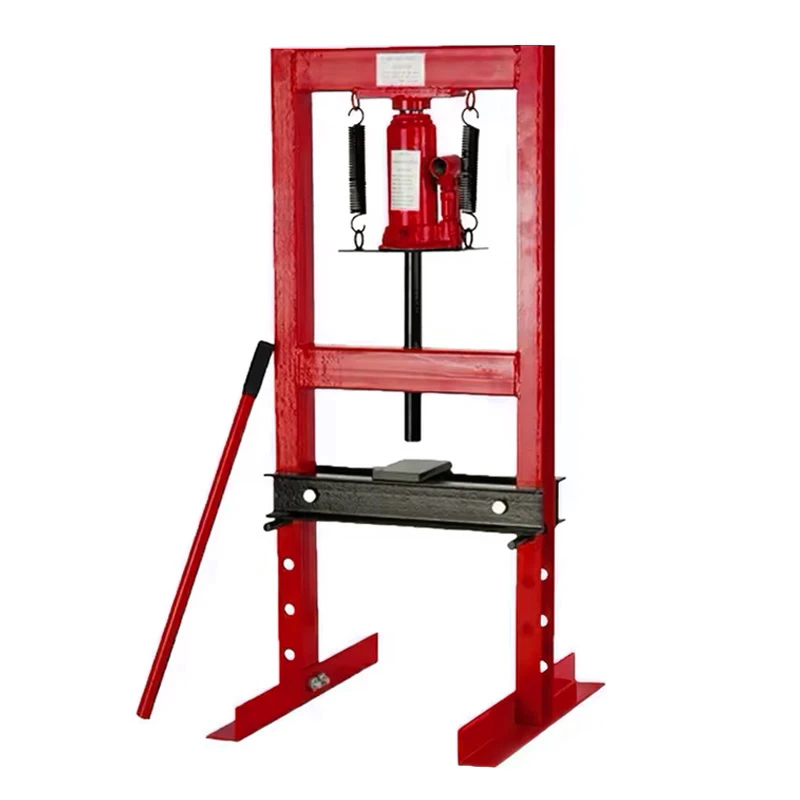
Manual Press Hand Type 6tons Hydraulic Shop Press H Frame Hydraulic Press
-
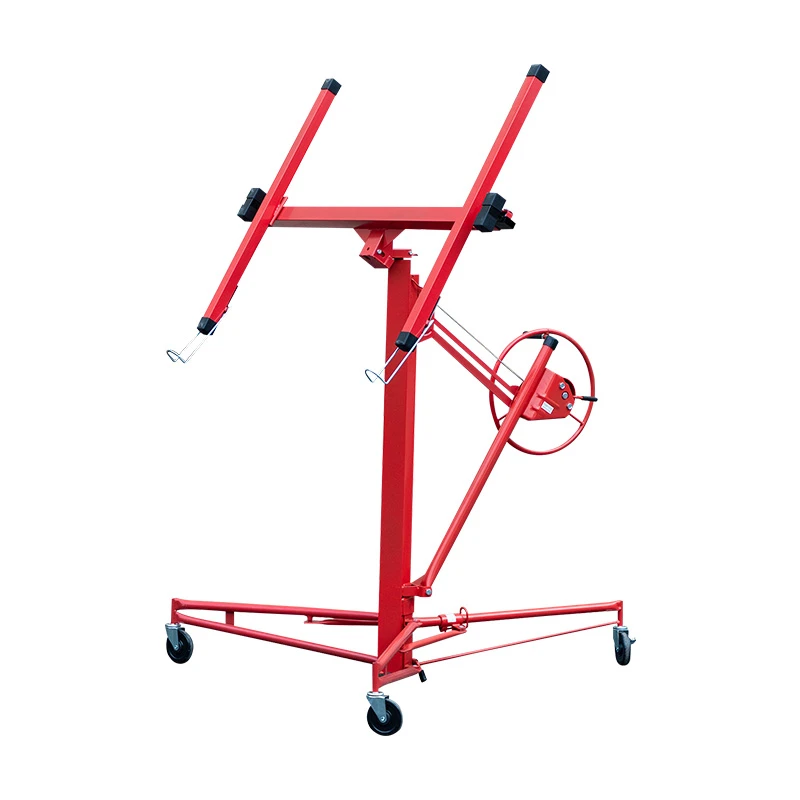
Easy-to-Use Manual Jack Lifter Construction Tools Drywall Hoist Lift Rolling Panel Drywall Rolling Lifter Panel
-
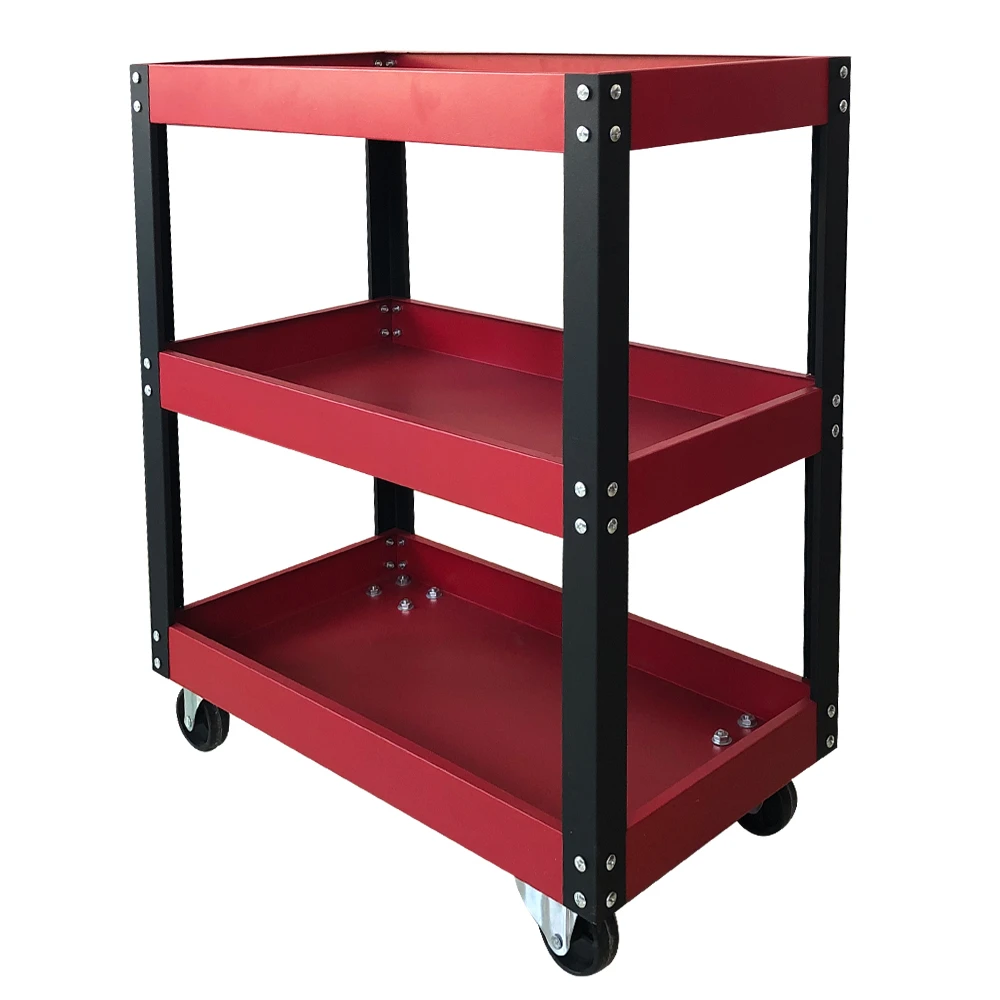
Auto Repair Tool Cart Roller Tools Box Set Mechanic Professional Cabinet for Workshop Garage Serving
-
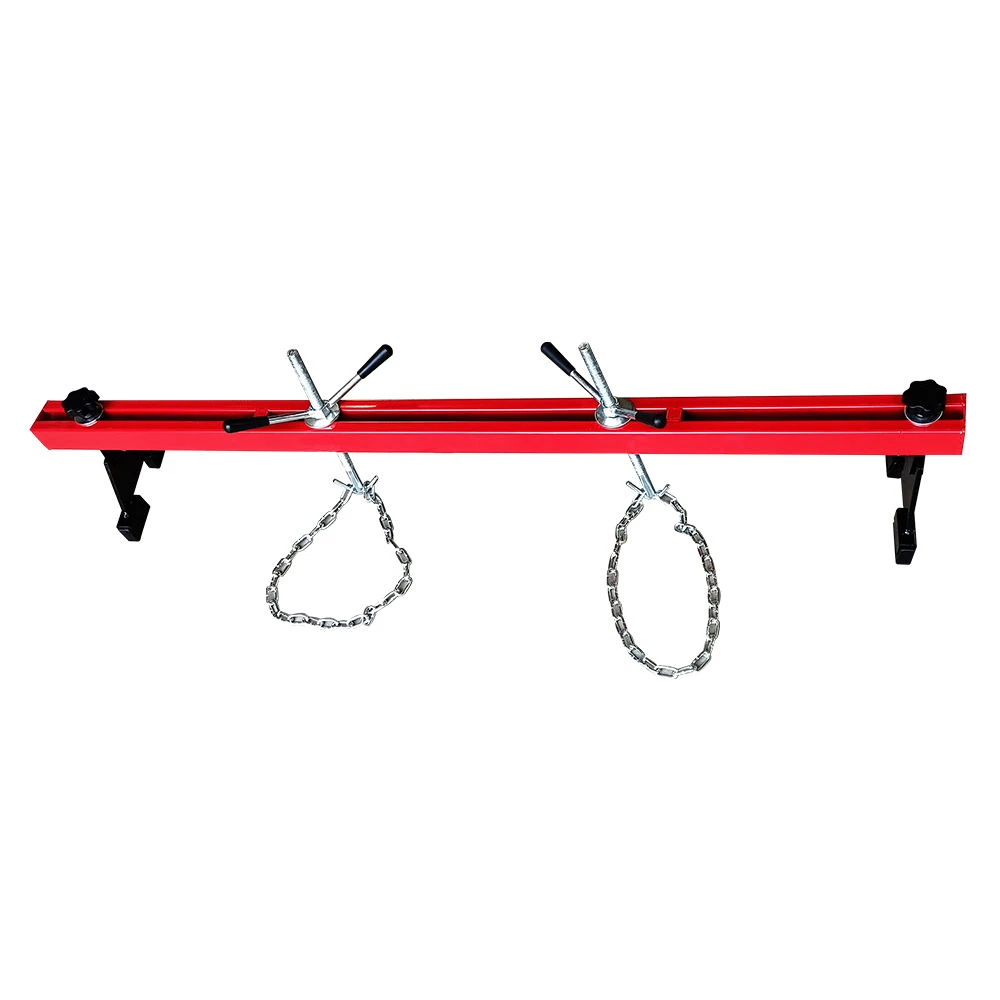
Oem Engine Support Bar 1100 Lbs Capacity Transverse Bar Engine Hoist 2 Point Lift Holder Hoist Dual Hooks Engine Bar
-
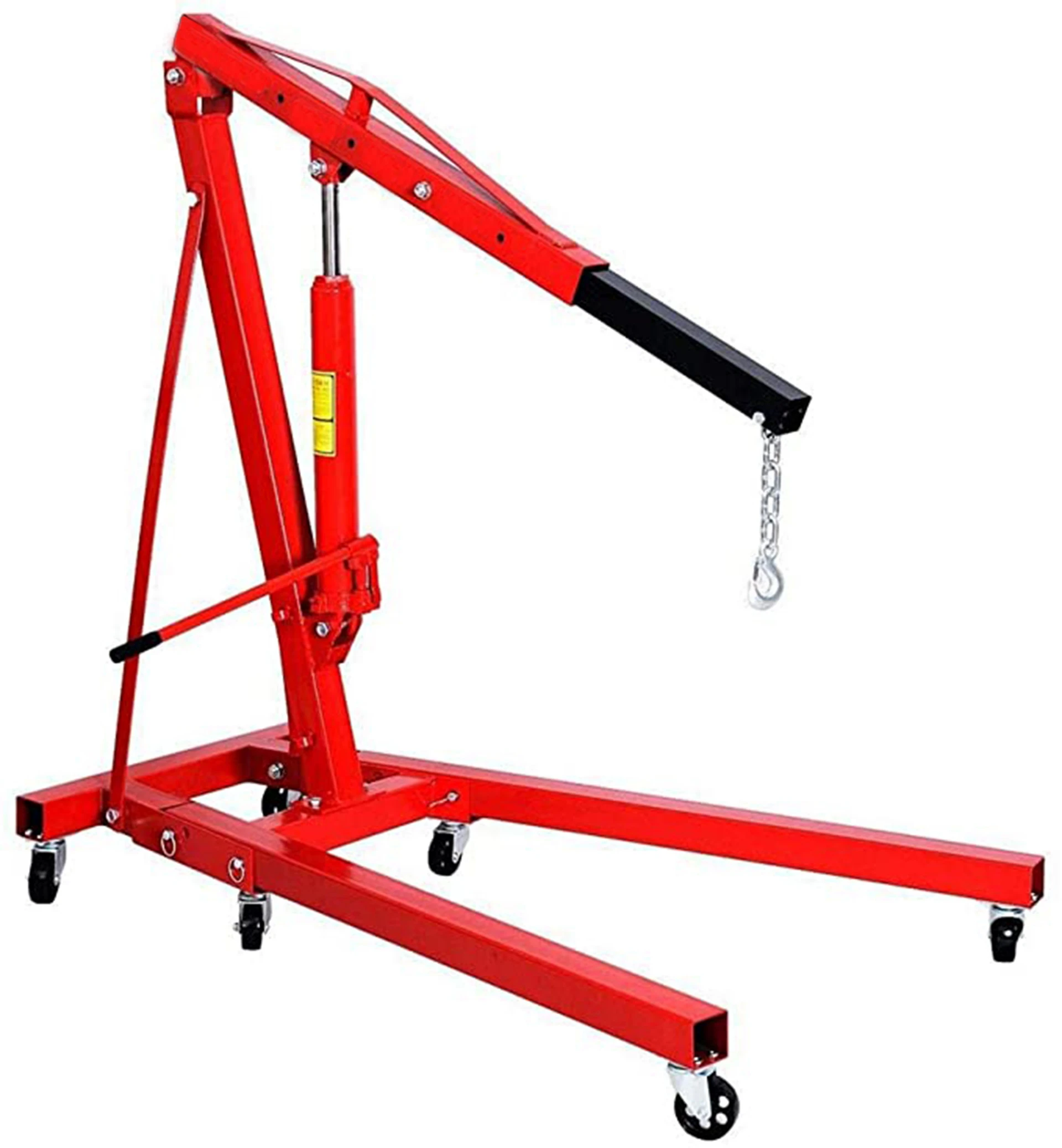
2 Ton Folding Shop Crane Lifting Machine Mini Truck Hydraulic Jack Engine Crane Folding Crane
-
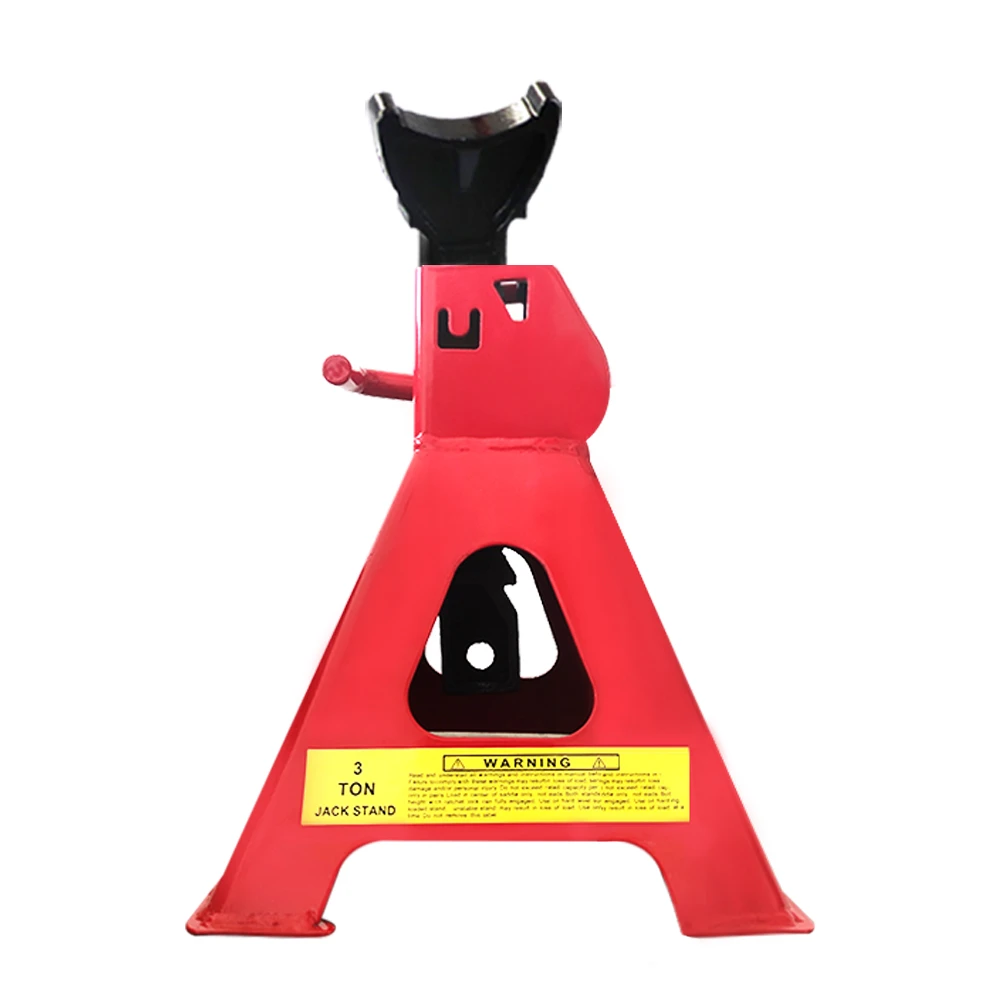
Heavy Duty Vehicle Support Car Jack Stand 3T 6T Adjustable Mobile Jack Stand
-
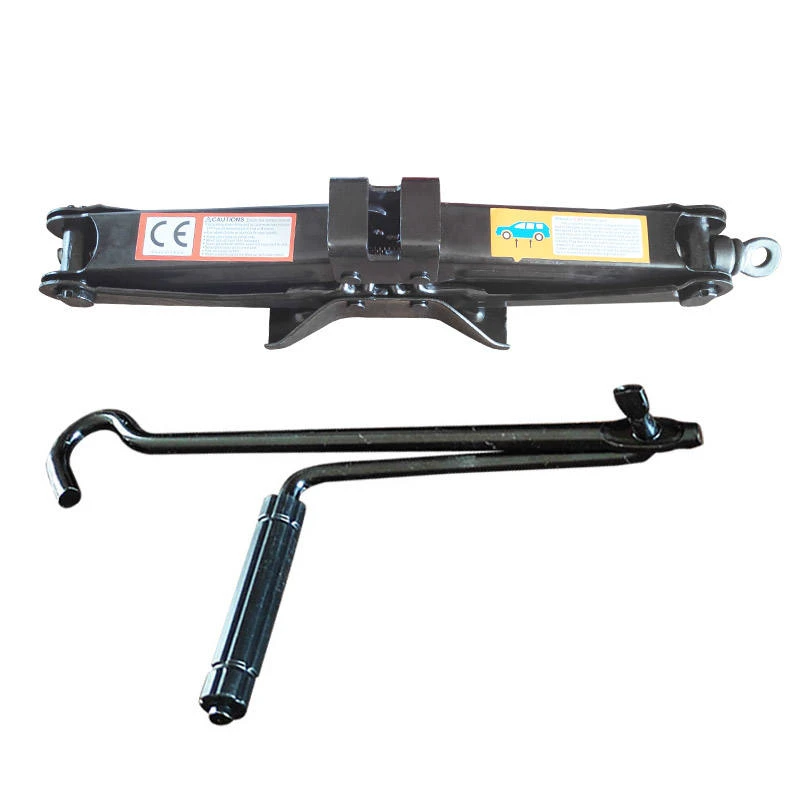
Car Lift Scissor Jack Steel Scissor Jacks Car Jack Portable
-
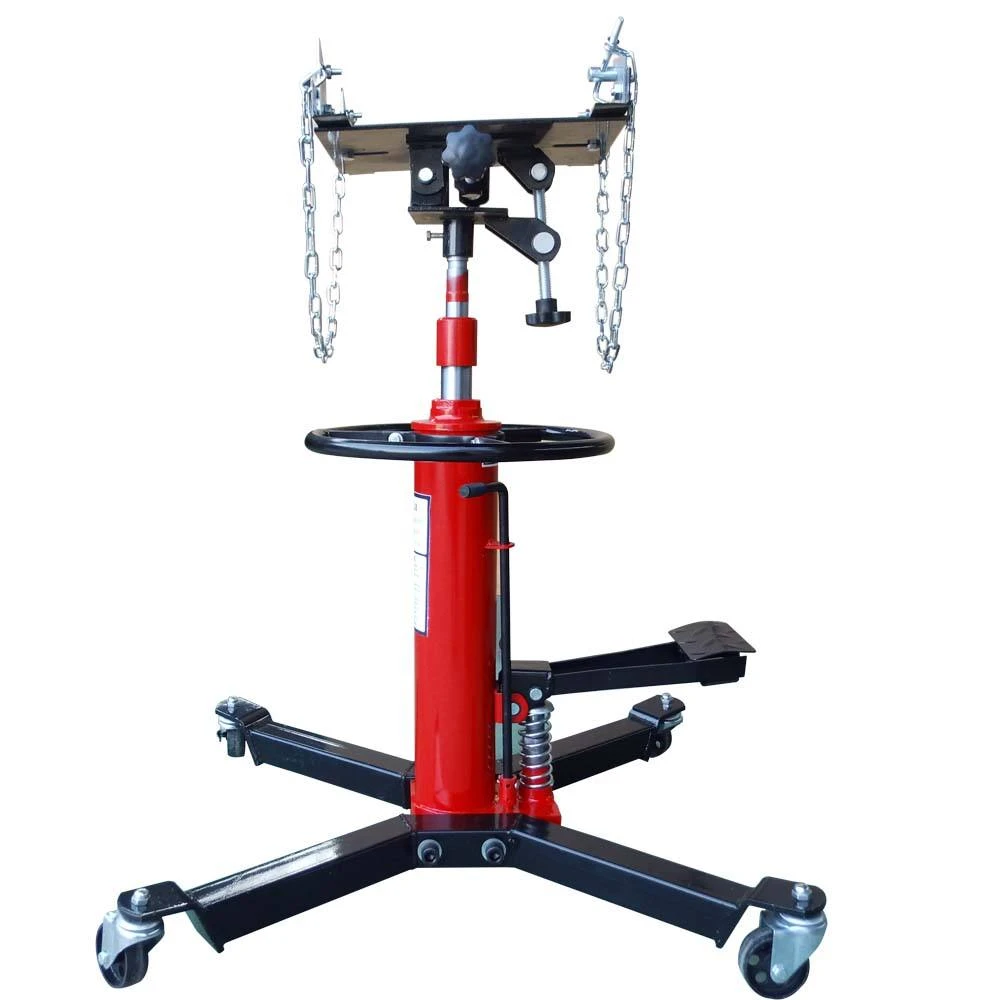
0.6T Professional Hydraulic Telescopic Transmission Jack Garage Equipment With CE For Car Engine Repair
Latest News
-
OEM Engine Support Bar 1100 Lbs | Longge Auto Tools
NewsMar.15,2026 -
Maximize Efficiency with a Robust 10 Drawer Tool Trolley for Your Workshop
NewsFeb.24,2026 -
Maximize Workshop Efficiency with a Robust 5 Drawer Rolling Tool Cabinet
NewsFeb.11,2026 -
Maximize Workshop Efficiency with the Robust 48 Tool Cabinet
NewsJan.30,2026 -
Comprehensive Guide to the 3 Ton Folding Engine Hoist for Automotive Lifting
NewsJan.28,2026 -
Comprehensive Guide to the Versatile 2 Ton Shop Crane for Workshop Use
NewsJan.27,2026 -
Maximize Engine Repair Efficiency with a 2 Ton Hydraulic Engine Hoist
NewsJan.27,2026
 English
  Arabic
  Bengali
  China
China  French
  German
  Hausa
Hausa  Indonesian
  Italian
  Japanese
  Javanese
  Malay
Malay  Persian
  Portuguese
  Punjabi
  Russian
  Spanish
  Swahili
  Telugu
  Vietnamese