Efficient and Safe Pneumatic Extractors for Oil and Fluid Evacuation
In automotive and industrial maintenance, efficient fluid removal is critical for fast and safe operations. The pneumatic extractor and pneumatic fluid evacuator have emerged as essential tools, providing reliable, air-powered solutions for extracting oils and other fluids from engines, tanks, and machinery. Among these, the pneumatic oil extractor pump and air powered oil extractor stand out for their ability to combine speed, safety, and ease of use, especially in environments where electrical equipment may pose risks.
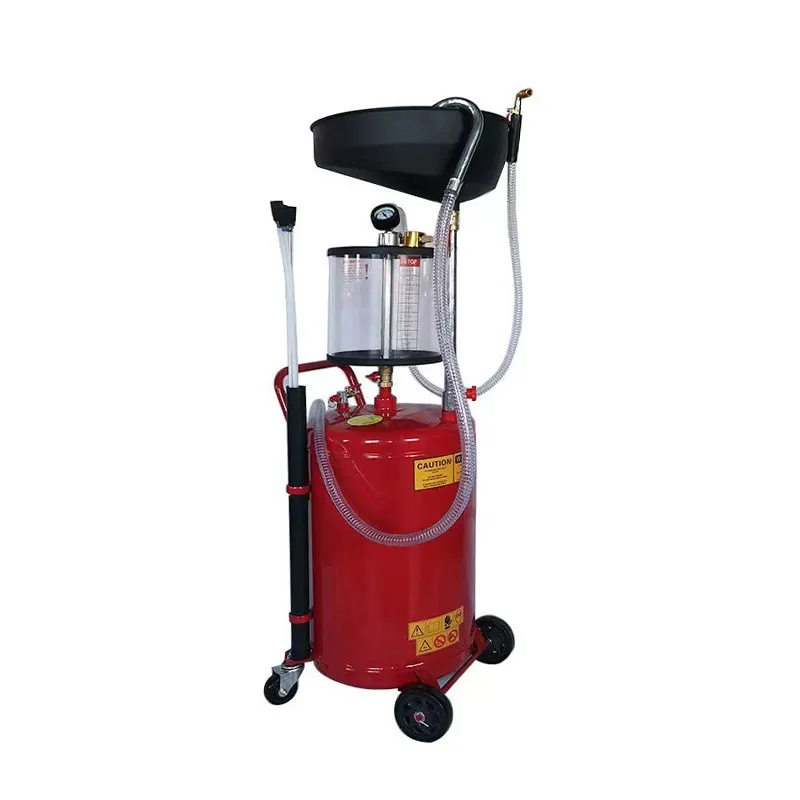
High Efficiency of Pneumatic Oil Extractors in Fluid Removal
One of the key advantages of a pneumatic oil extractor pump is its high pumping speed compared to traditional manual methods. By harnessing the power of compressed air, these devices can extract a large volume of oil or lubricants in a significantly shorter time. This feature is especially valuable in busy automotive repair shops where multiple oil changes are performed daily.
The rapid fluid evacuation capability of the pneumatic system reduces vehicle downtime and accelerates workflow, allowing mechanics to service more cars with less effort. Moreover, in industrial settings where equipment maintenance requires frequent oil changes, pneumatic extractors contribute to maintaining high operational efficiency and minimizing production interruptions.
Enhanced Safety Provided by Air Powered Oil Extractors
Safety is a paramount concern when handling flammable fluids like engine oil or industrial lubricants. The air powered oil extractor addresses this by utilizing compressed air rather than electricity as its power source. This design inherently eliminates the risk of electrical shock or sparks, which can be hazardous in environments with flammable vapors or explosive materials.
Such safety advantages make pneumatic extractors the preferred choice for sensitive applications, including oil tank maintenance at gas stations or fluid extraction in chemical plants. The absence of electrical components not only improves operator safety but also enhances the reliability of the extractor in challenging environments where moisture, dust, or volatile substances are present.
Key Characteristics of Pneumatic Fluid Evacuators
The pneumatic fluid evacuator is characterized by its robust construction and user-friendly operation. Its core mechanism typically includes a pneumatic pump driven by compressed air, which moves a piston or diaphragm to create suction. This suction efficiently draws fluid from reservoirs through attached hoses.
These extractors are designed for versatility, capable of handling various fluids such as engine oil, hydraulic fluid, and other lubricants. Their durable materials ensure longevity even under frequent use in demanding workshops or industrial plants. Additionally, pneumatic evacuators are often lightweight and portable, facilitating easy maneuvering and storage.
Applications and Practical Benefits of Pneumatic Extractors in Maintenance
The pneumatic extractor finds extensive use across automotive garages, industrial maintenance facilities, and chemical plants. In automotive shops, it enables fast oil changes without the need to lift vehicles, simplifying routine maintenance tasks and improving service throughput.
Industrial applications include evacuating fluids from machinery tanks or oil reservoirs, aiding preventive maintenance and reducing equipment wear. Pneumatic extractors also help maintain environmental cleanliness by minimizing spills and facilitating safe fluid disposal.
Their non-electric design makes them suitable for hazardous locations, where safety regulations restrict the use of electrical pumps. Overall, these extractors improve operational safety, efficiency, and environmental compliance.
pneumatic extractor FAQs
What types of fluids can a pneumatic oil extractor pump handle?
Pneumatic oil extractor pumps can handle various fluids such as engine oil, hydraulic fluids, lubricants, and other similar industrial oils. They are designed to safely extract these liquids from automotive engines, machinery tanks, and reservoirs.
How does a pneumatic fluid evacuator operate?
It uses compressed air to power a piston or diaphragm inside the pump, which creates suction that draws fluid into the pump chamber. The fluid is then expelled through an outlet hose, allowing fast and efficient fluid removal without manual pumping.
What makes air powered oil extractors safer than electric pumps?
Air powered oil extractors do not use electricity, eliminating risks of electric shocks or sparks that can cause fires or explosions in flammable environments. This makes them ideal for use in gas stations, chemical plants, and other hazardous locations.
Can pneumatic extractors be used in all workshop environments?
Yes, they are versatile and suitable for most workshops that have access to compressed air systems. Their non-electric nature allows use even in environments where electrical equipment is restricted due to safety concerns.
What maintenance is required for a pneumatic oil extractor?
Regular inspection of hoses, fittings, and seals is essential to prevent leaks. Cleaning after use and checking the compressed air supply for contaminants help maintain performance. Following manufacturer guidelines ensures long-term reliable operation.
Products categories
-
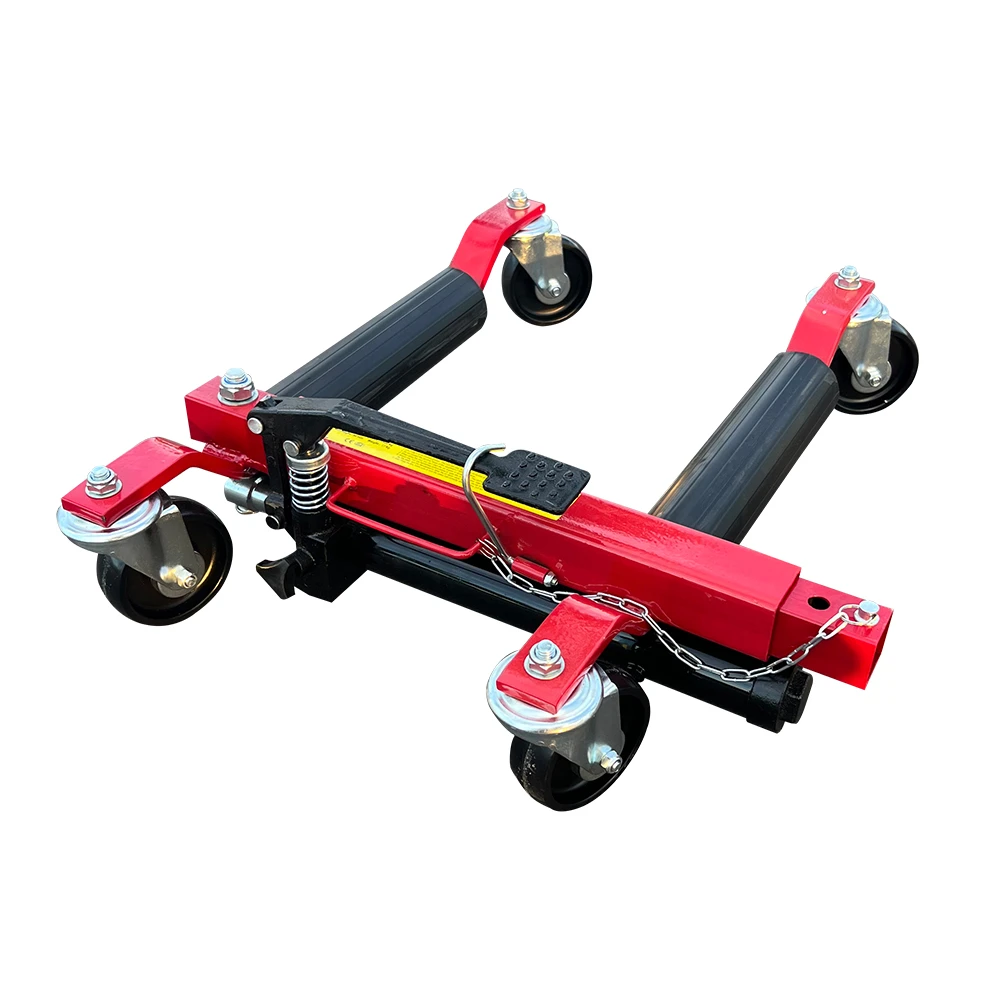
Car Jack Vehicle Mover Tow Dolly Universal Moving Tool Wheel Towing Trailer tools automatic car jack
-
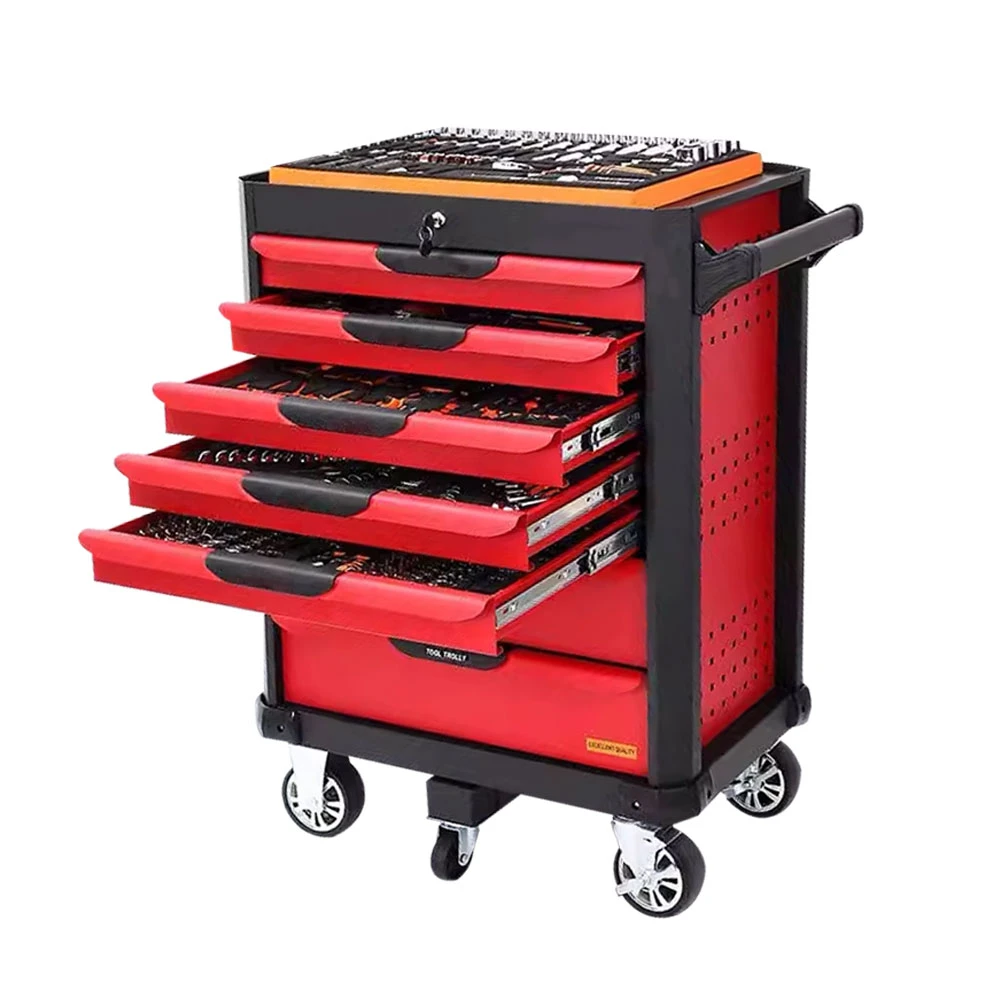
Professional All kind of Tools with Tool Cabinet, Workshop Trolley Cabinet
-
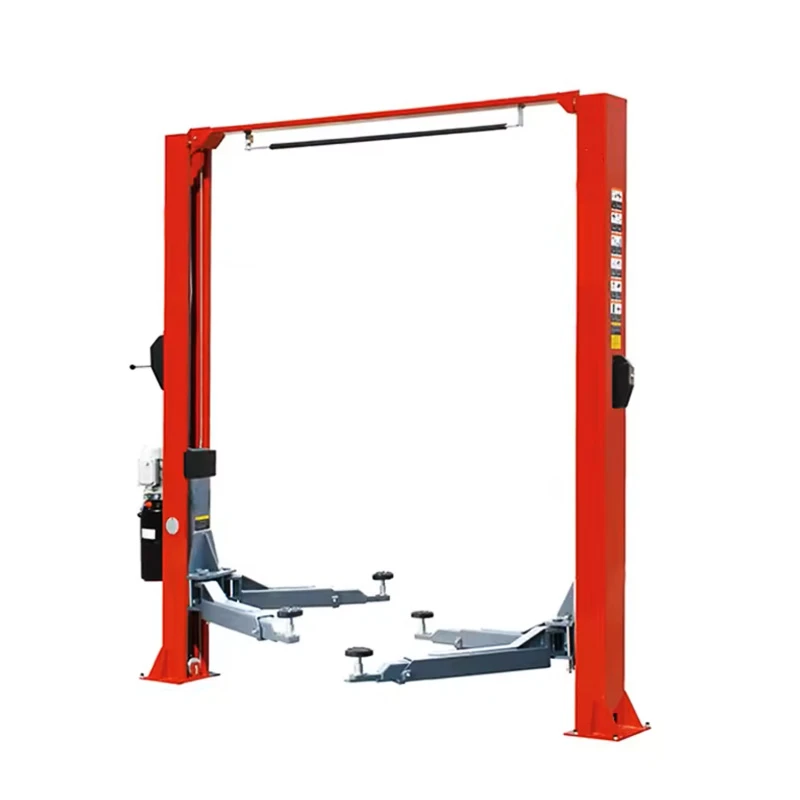
Electric Release Gantry Lifter 5t Two Post Hydraulic Used Truck Car Lifts For Sale
-
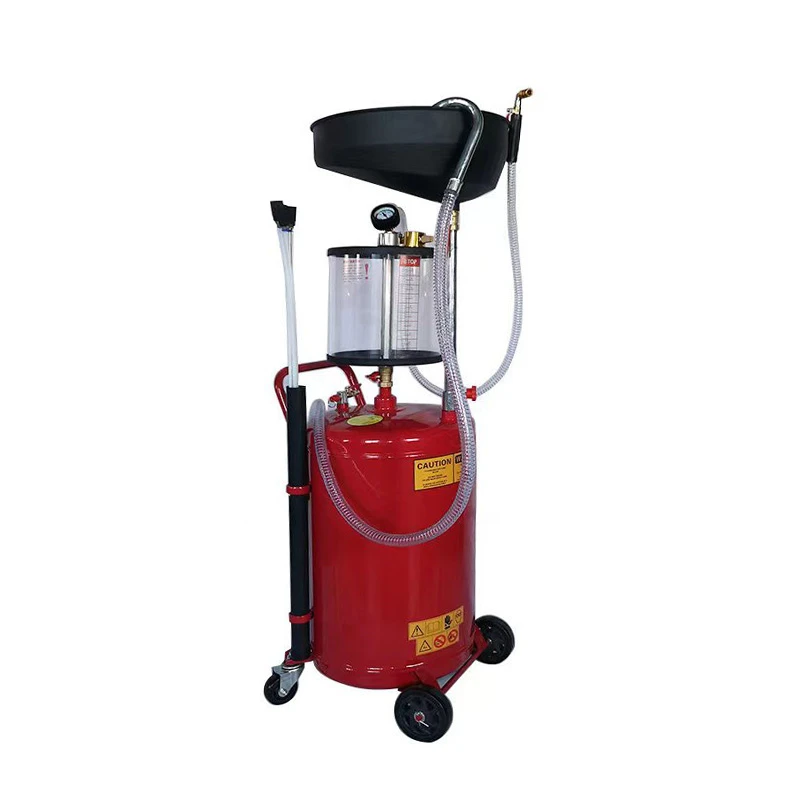
KJ-3197 Pneumatic Oil Extractor Waste Oil Changer Drainer with Lift Tank Auto Repair Tool
-
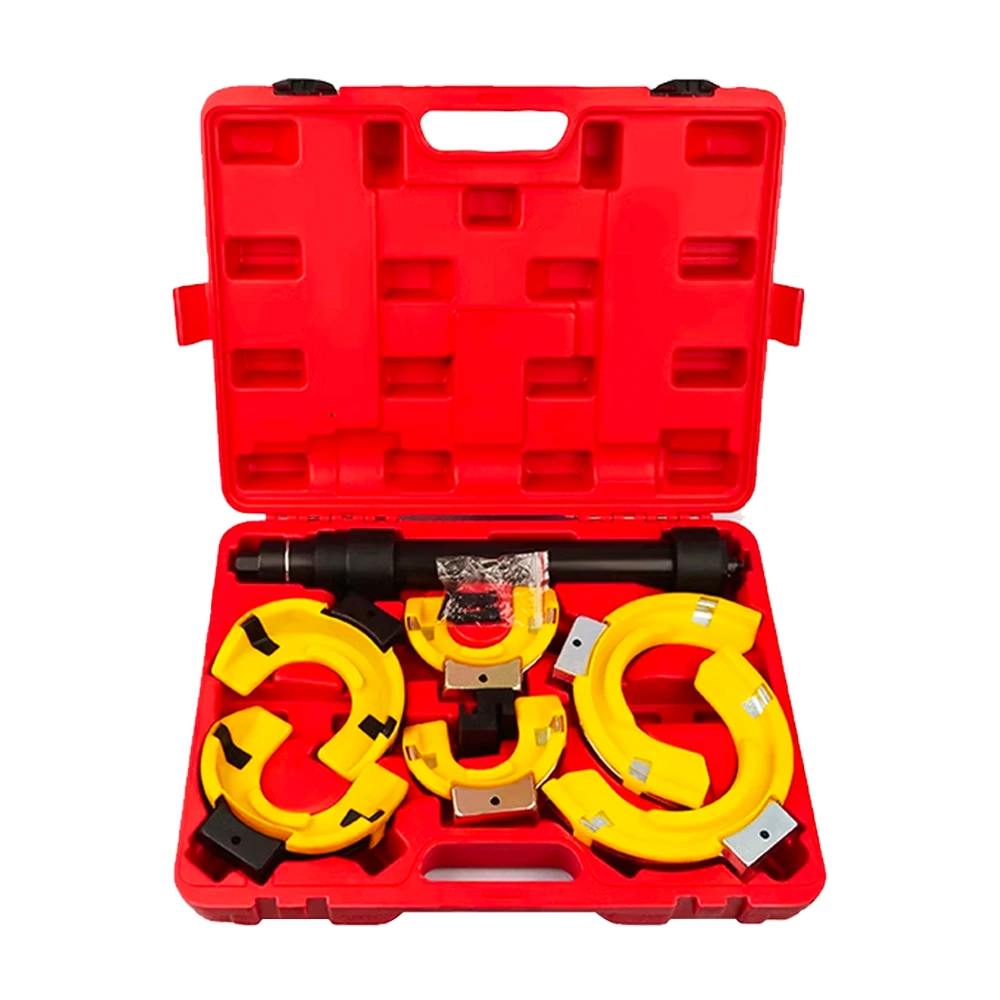
Powerful Spring Dumper Extractor Replaceable Shock Absorb Tools Strong Shock Absorber Spring Compressor Set
-
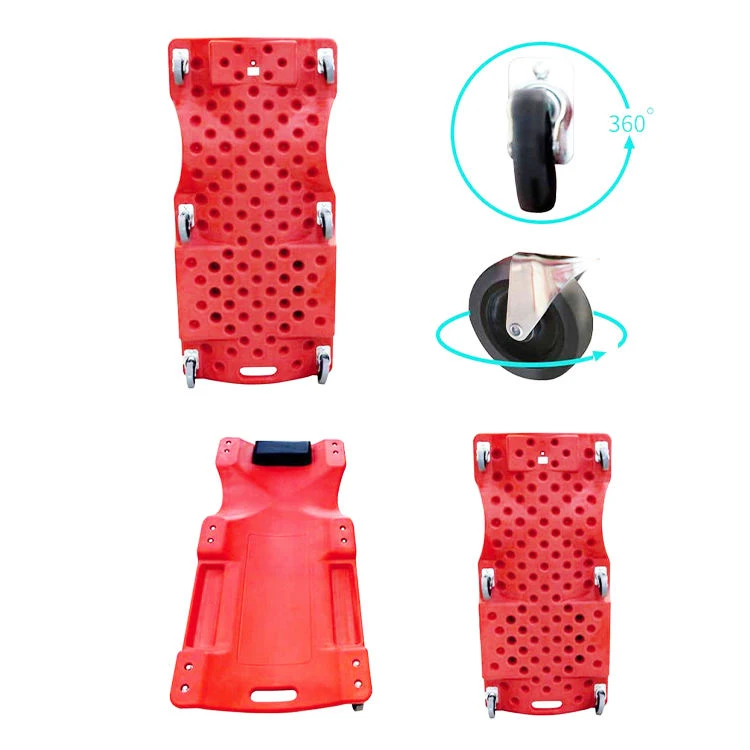
40 Inch 6 Wheel Plastic Workshop Garage Mechanics Tool Creeper Trolley Car Automotive Repair Mechanics Creeper
-
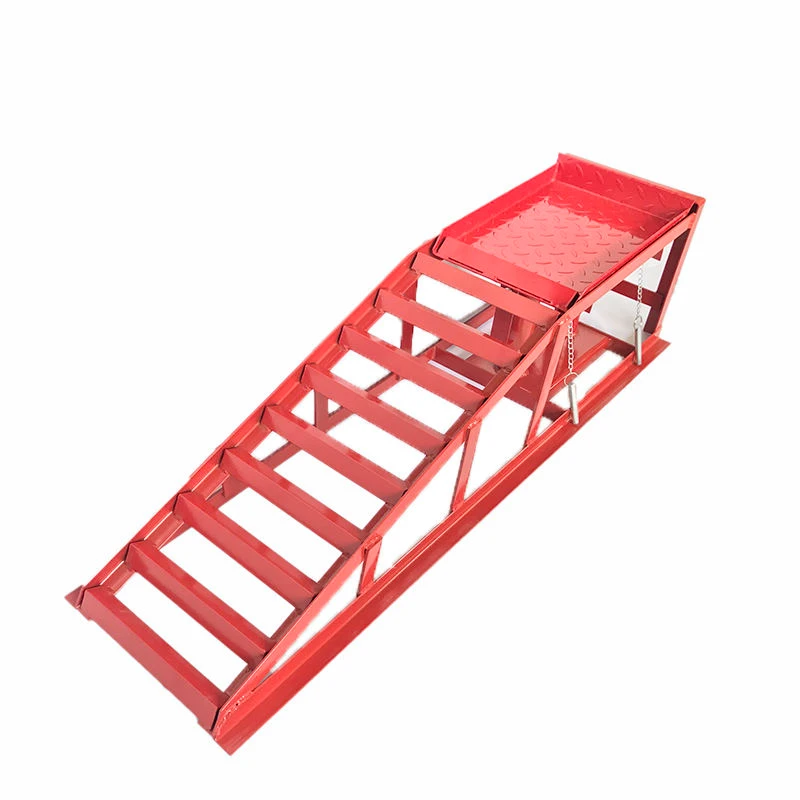
Plastic Car Ramp High Lift Auto Vehicle Car Ramp Portable Car Service Ramps
-
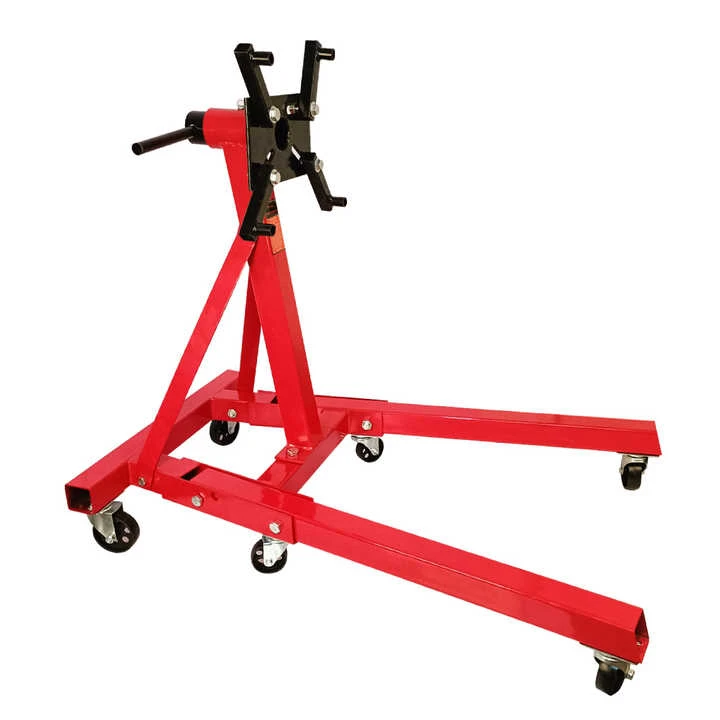
2000lb Car Engine Stand Gate Valve Machine Auto Tools Mechanical Transmission Jack With Stand Operation
-
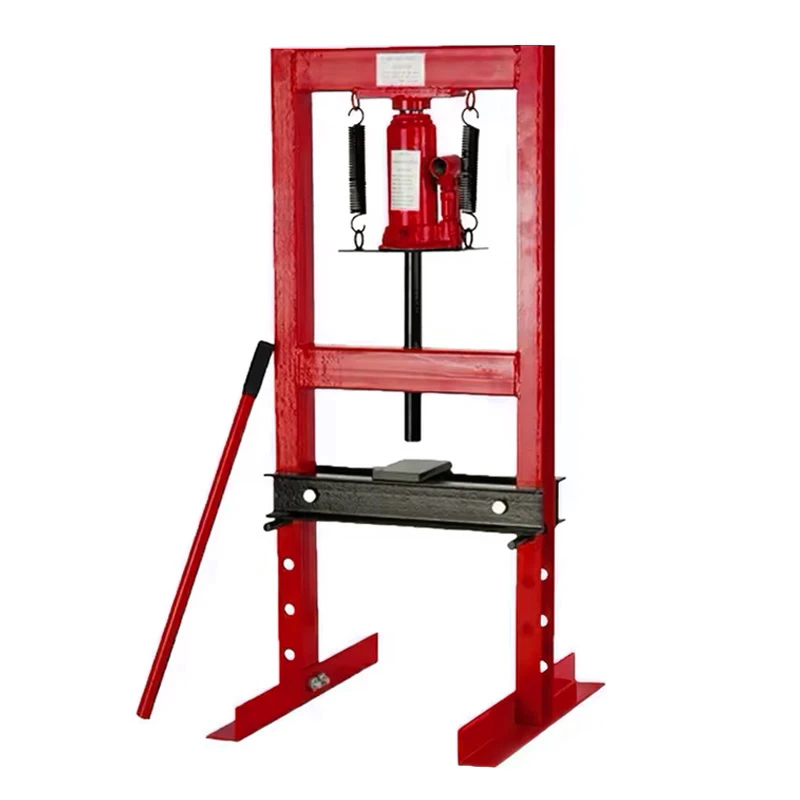
Manual Press Hand Type 6tons Hydraulic Shop Press H Frame Hydraulic Press
-
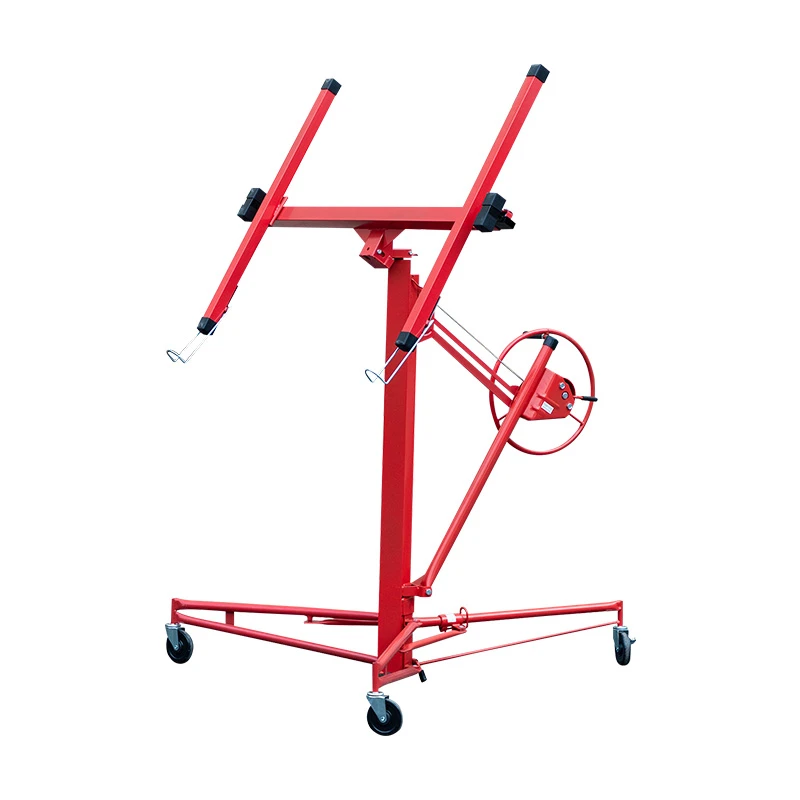
Easy-to-Use Manual Jack Lifter Construction Tools Drywall Hoist Lift Rolling Panel Drywall Rolling Lifter Panel
-
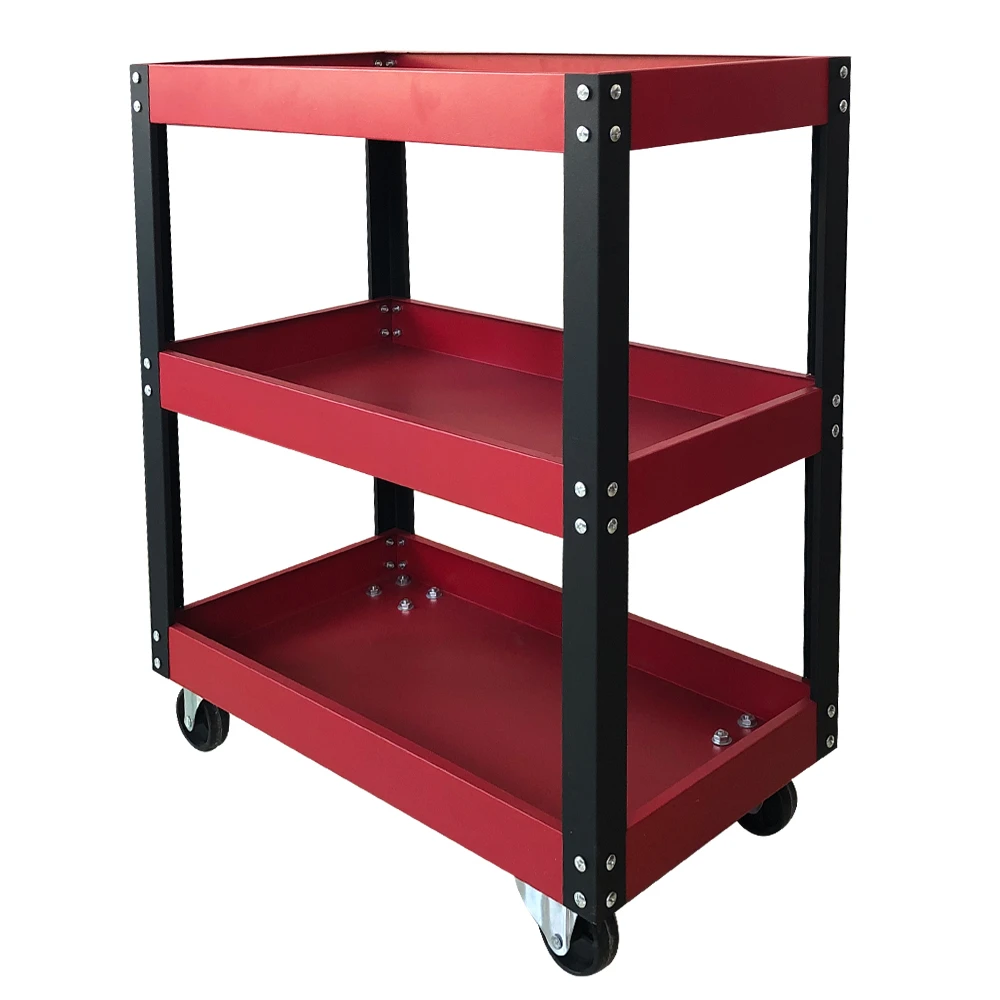
Auto Repair Tool Cart Roller Tools Box Set Mechanic Professional Cabinet for Workshop Garage Serving
-
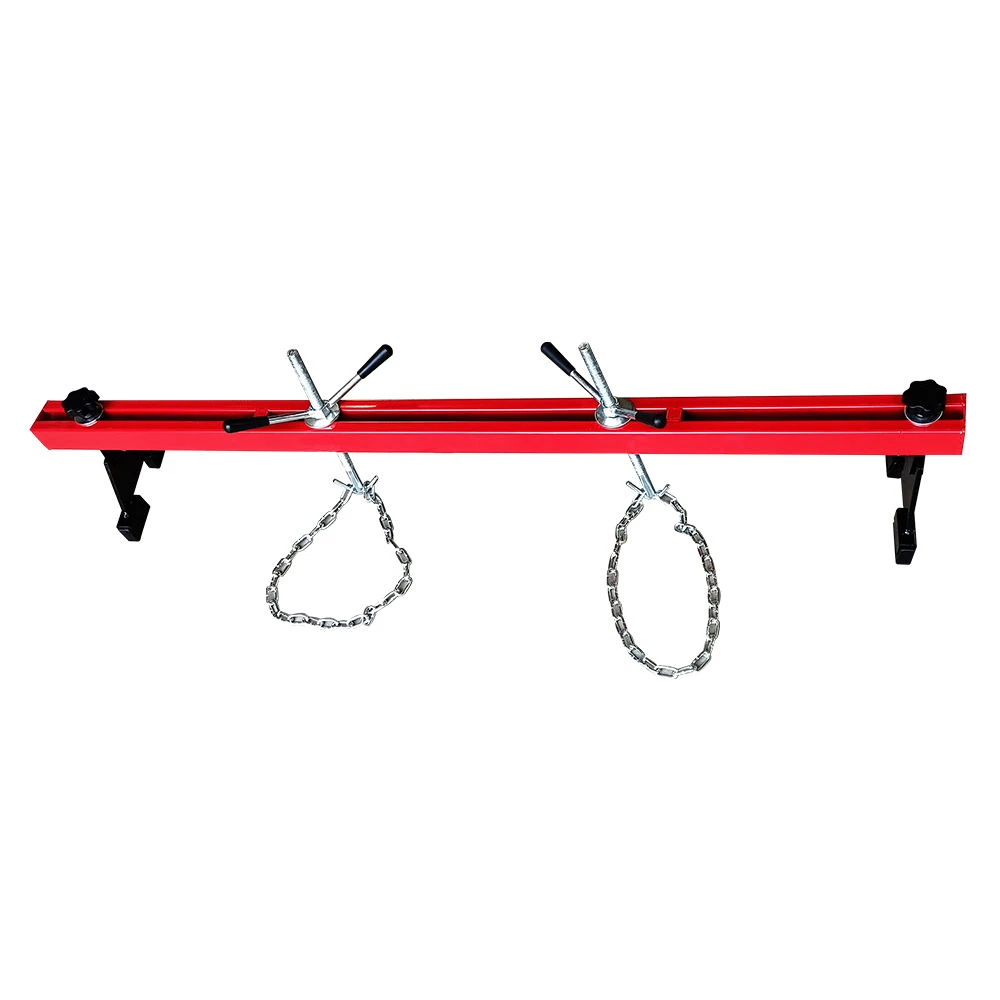
Oem Engine Support Bar 1100 Lbs Capacity Transverse Bar Engine Hoist 2 Point Lift Holder Hoist Dual Hooks Engine Bar
-
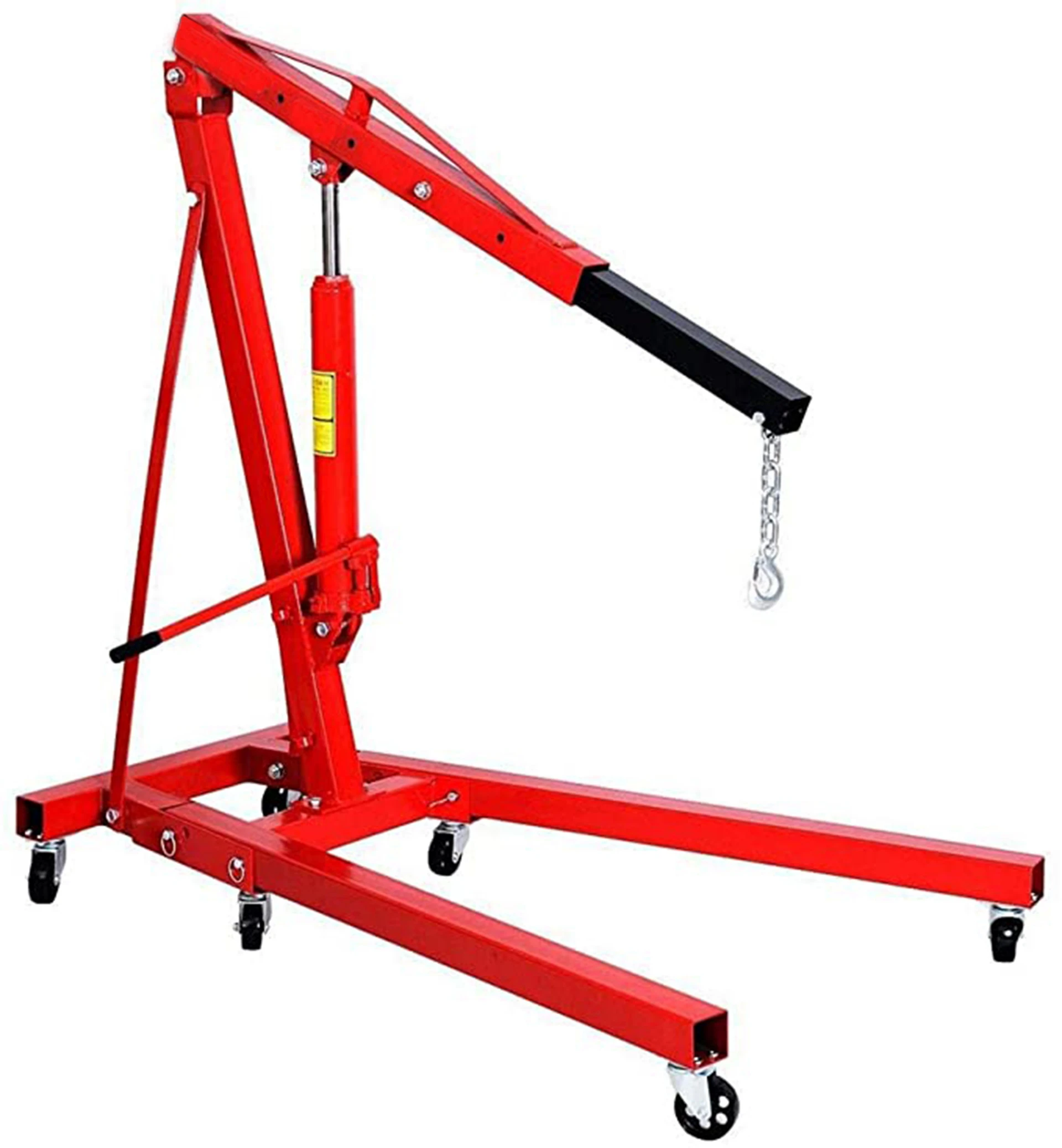
2 Ton Folding Shop Crane Lifting Machine Mini Truck Hydraulic Jack Engine Crane Folding Crane
-
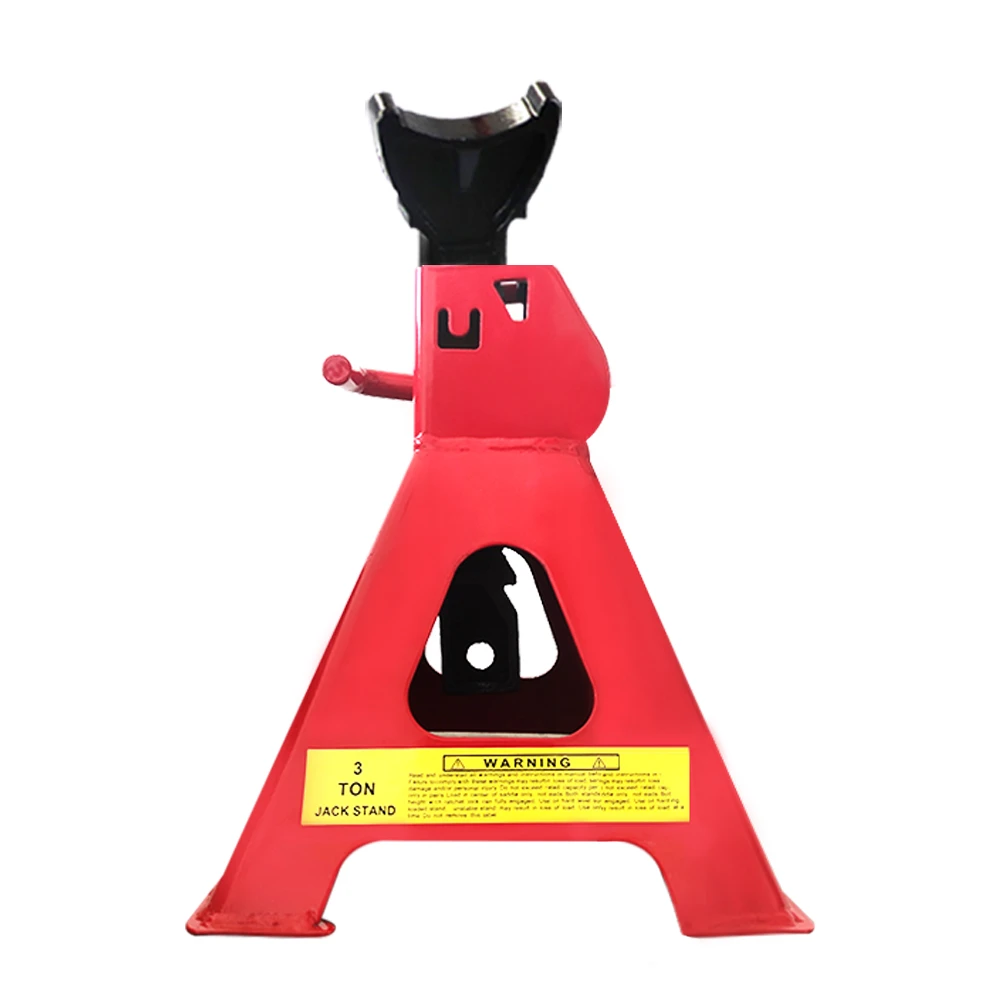
Heavy Duty Vehicle Support Car Jack Stand 3T 6T Adjustable Mobile Jack Stand
-
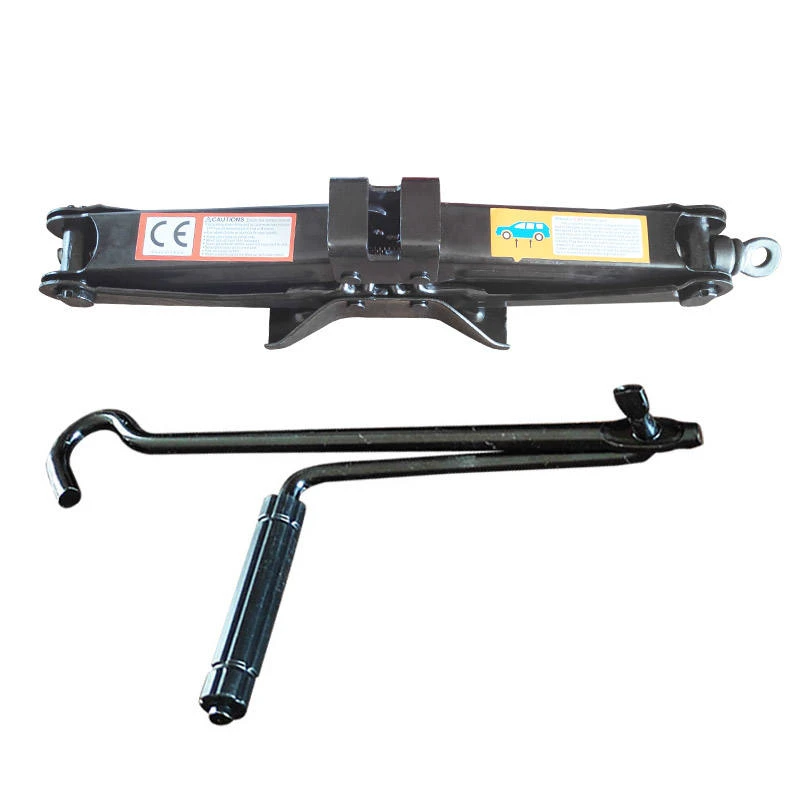
Car Lift Scissor Jack Steel Scissor Jacks Car Jack Portable
-
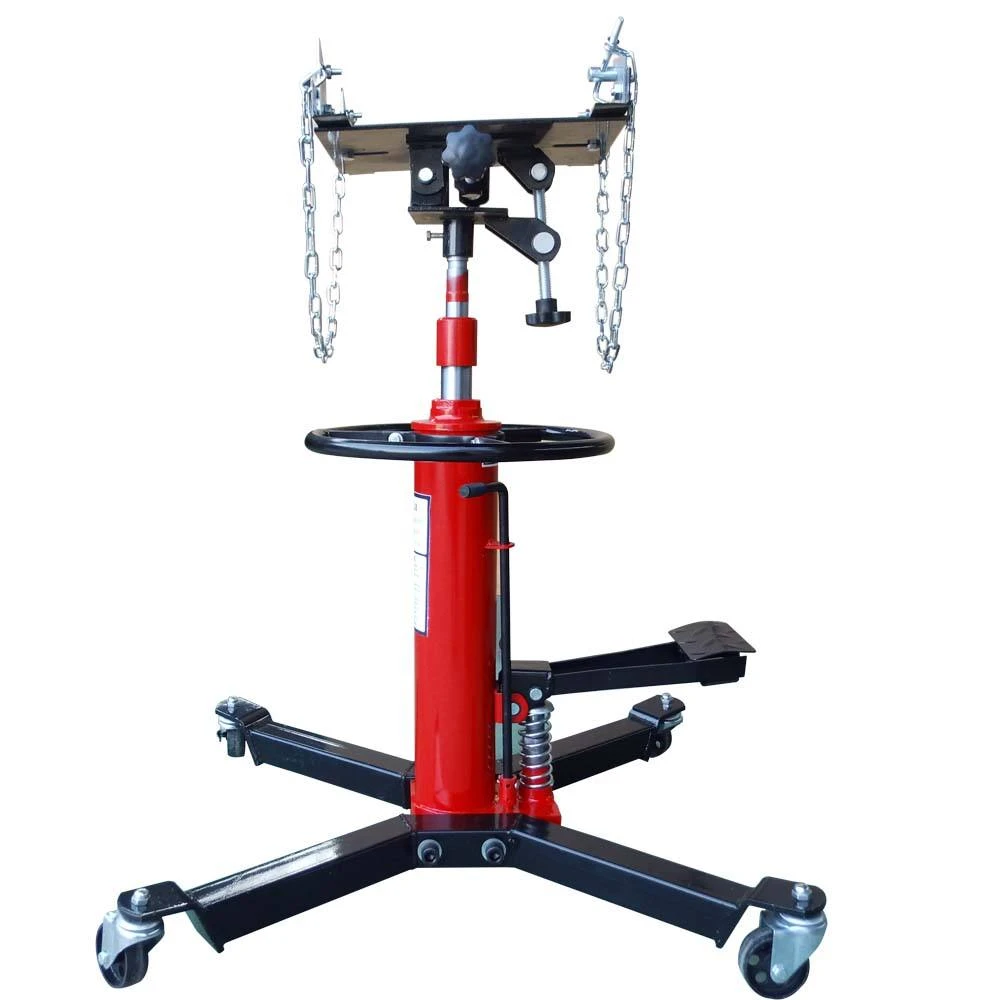
0.6T Professional Hydraulic Telescopic Transmission Jack Garage Equipment With CE For Car Engine Repair
Latest News
-
OEM Engine Support Bar 1100 Lbs | Longge Auto Tools
NewsMar.15,2026 -
Maximize Efficiency with a Robust 10 Drawer Tool Trolley for Your Workshop
NewsFeb.24,2026 -
Maximize Workshop Efficiency with a Robust 5 Drawer Rolling Tool Cabinet
NewsFeb.11,2026 -
Maximize Workshop Efficiency with the Robust 48 Tool Cabinet
NewsJan.30,2026 -
Comprehensive Guide to the 3 Ton Folding Engine Hoist for Automotive Lifting
NewsJan.28,2026 -
Comprehensive Guide to the Versatile 2 Ton Shop Crane for Workshop Use
NewsJan.27,2026 -
Maximize Engine Repair Efficiency with a 2 Ton Hydraulic Engine Hoist
NewsJan.27,2026
 English
  Arabic
  Bengali
  China
China  French
  German
  Hausa
Hausa  Indonesian
  Italian
  Japanese
  Javanese
  Malay
Malay  Persian
  Portuguese
  Punjabi
  Russian
  Spanish
  Swahili
  Telugu
  Vietnamese