Safe and Efficient Suspension Repair with Strut Compressors
Maintaining and repairing vehicle suspension systems requires specialized tools to ensure both safety and precision. Among these, the strut compressor and strut compressor tool are essential for handling the often dangerous coil springs that support vehicle weight and absorb road shocks. Understanding how to properly use a strut spring compressor is crucial for every mechanic and DIY enthusiast working on suspension components. This guide also covers essential coil spring compressor instructions to help users operate these tools safely and effectively.
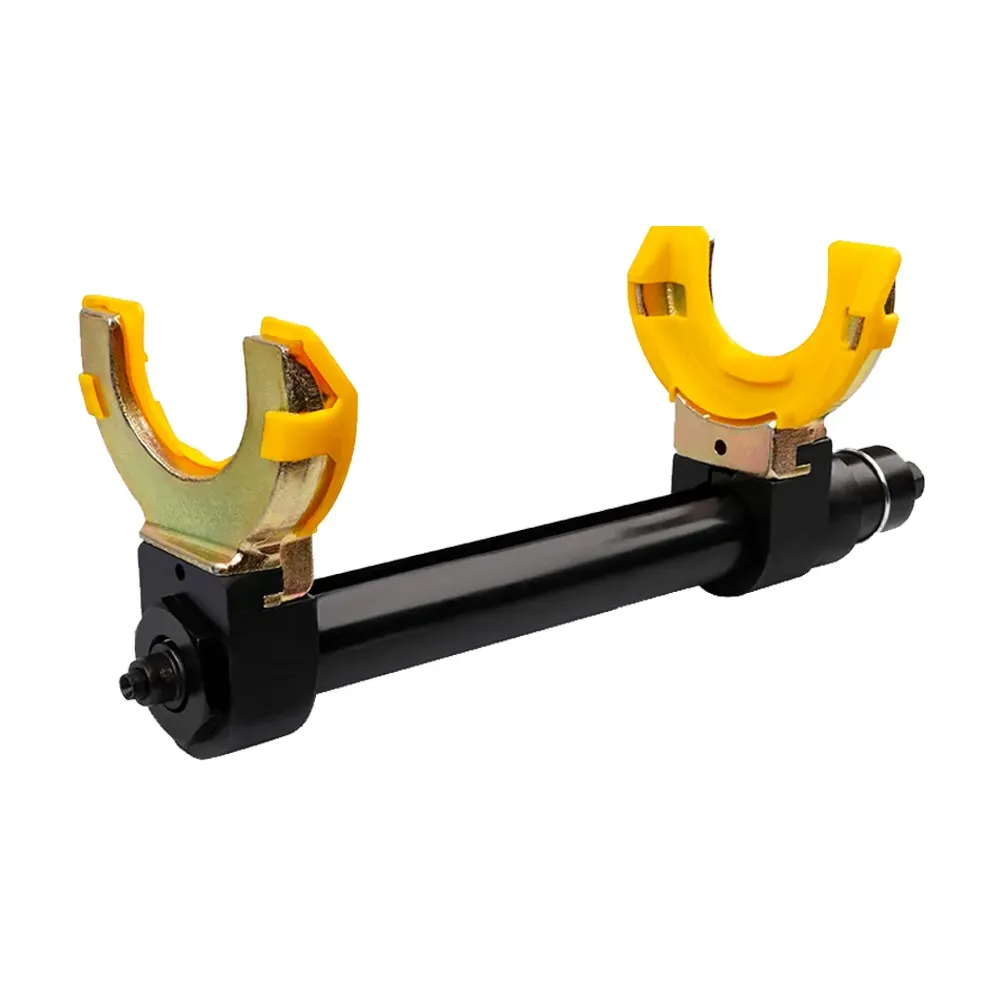
Essential Role of the Strut Compressor in Suspension Maintenance
The strut compressor is specifically designed to compress the coil spring in a vehicle’s strut assembly, allowing for safe removal or installation during repairs or replacements. These springs are under extreme tension, and improper handling can lead to serious injury or damage. A reliable strut compressor tool securely grips the coil spring and shortens its length by applying even pressure, preventing sudden release of stored energy.
Using a dedicated strut spring compressor not only enhances safety but also facilitates efficient maintenance. It allows technicians to dismantle the strut assembly, replace worn shock absorbers, or upgrade suspension components without damaging parts or risking accidents. This makes it an indispensable tool in both professional garages and home workshops.
How Do You Use a Coil Spring Compressor? Basic Instructions
Proper use of a coil spring compressor is vital to avoid accidents. Here’s a concise step-by-step guide outlining coil spring compressor instructions for safe operation:
First, secure the vehicle on a stable lift or jack stands and remove the strut assembly from the vehicle following manufacturer guidelines. Next, attach the strut spring compressor hooks or jaws opposite each other onto the coil spring’s outer coils, ensuring they are firmly seated and evenly spaced. Begin tightening the compressor evenly by turning the central bolt or using the tool’s hydraulic mechanism, compressing the spring gradually and checking alignment frequently.
Continue compression until the spring is loose enough to remove the strut mount or shock absorber safely. When reassembling, carefully decompress the spring by reversing the compression steps, maintaining even pressure to prevent sudden expansion. Always wear protective gear, including safety glasses and gloves, and work slowly, never rushing the process.
Types of Strut Compressors and Their Advantages
There are primarily two categories of strut compressor tools: manual and hydraulic. Manual strut spring compressors typically feature threaded rods and hooks, operated by hand tools like wrenches. They are widely used for smaller vehicles and lighter-duty springs due to their affordability and simplicity.
Hydraulic strut compressors offer enhanced power and precision, especially useful for heavy-duty springs on trucks and SUVs. These models utilize hydraulic cylinders operated by pumps to compress springs evenly with less physical effort, improving safety and speed. Hydraulic compressors tend to be more expensive and require regular maintenance but deliver superior control in demanding repair environments.
Selecting the right type depends on the user’s specific needs, vehicle types, and frequency of use. For occasional DIY repairs, a manual strut compressor tool may suffice, while professionals benefit from investing in hydraulic models for their efficiency and reliability.
Safety Tips for Using a Strut Spring Compressor
Safety cannot be overstated when working with coil springs under tension. Always inspect your strut spring compressor before use for signs of wear, rust, or damage. Ensure all components move smoothly and locking mechanisms function correctly.
Never use a damaged or incompatible compressor with your specific spring size. Work in a clean, well-lit environment free of distractions. Always stand clear of the spring’s potential path should it slip during compression. Use a slow, even tightening motion to prevent sudden releases of tension.
Store the tool properly after use to prevent deterioration and maintain calibration. Following manufacturer guidelines and using protective gear such as gloves and eye protection can significantly reduce injury risks. When in doubt, consult professional mechanics or training resources for proper technique.
strut compressor FAQs
What is a strut compressor used for?
A strut compressor is used to safely compress coil springs in a vehicle’s suspension strut assembly to enable removal or installation of the strut or shock absorber. It prevents sudden spring release, which can cause serious injury.
How do you safely use a coil spring compressor?
To safely use a coil spring compressor, secure the compressor hooks opposite each other on the spring coils, tighten evenly and slowly to compress the spring, and maintain alignment throughout. Always use protective gear and never rush the process.
What’s the difference between manual and hydraulic strut compressors?
Manual compressors use threaded rods and require physical effort to compress springs, suitable for lighter springs. Hydraulic compressors use a pump system to apply force evenly with less effort, ideal for heavy-duty applications.
Can I use a coil spring compressor for all vehicles?
Most coil spring compressors are adjustable to fit a range of spring sizes and vehicles. However, it’s important to verify compatibility with your vehicle’s spring specifications before use.
What safety precautions should I follow when using a strut spring compressor?
Inspect the tool before use, work on stable surfaces, wear gloves and eye protection, compress springs slowly and evenly, and never position yourself in the path of a potential spring release. Follow all manufacturer guidelines strictly.
Products categories
-
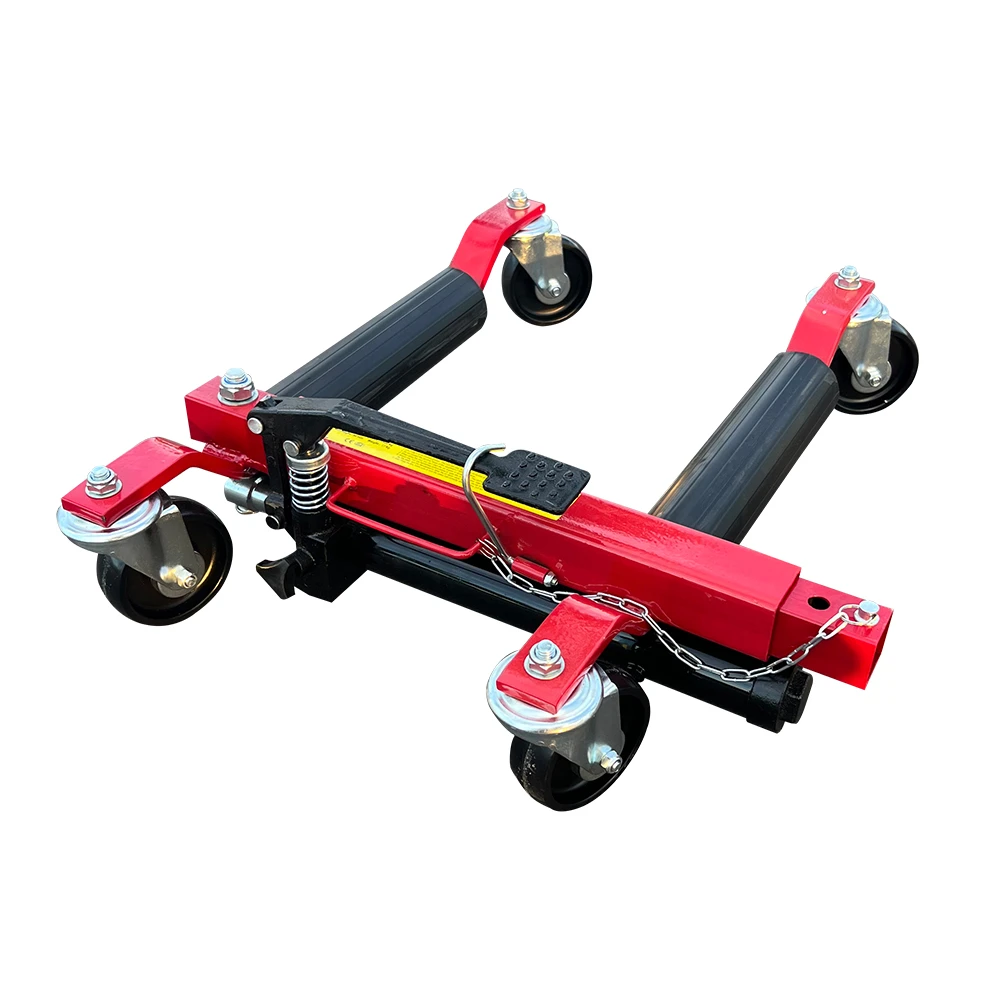
Car Jack Vehicle Mover Tow Dolly Universal Moving Tool Wheel Towing Trailer tools automatic car jack
-
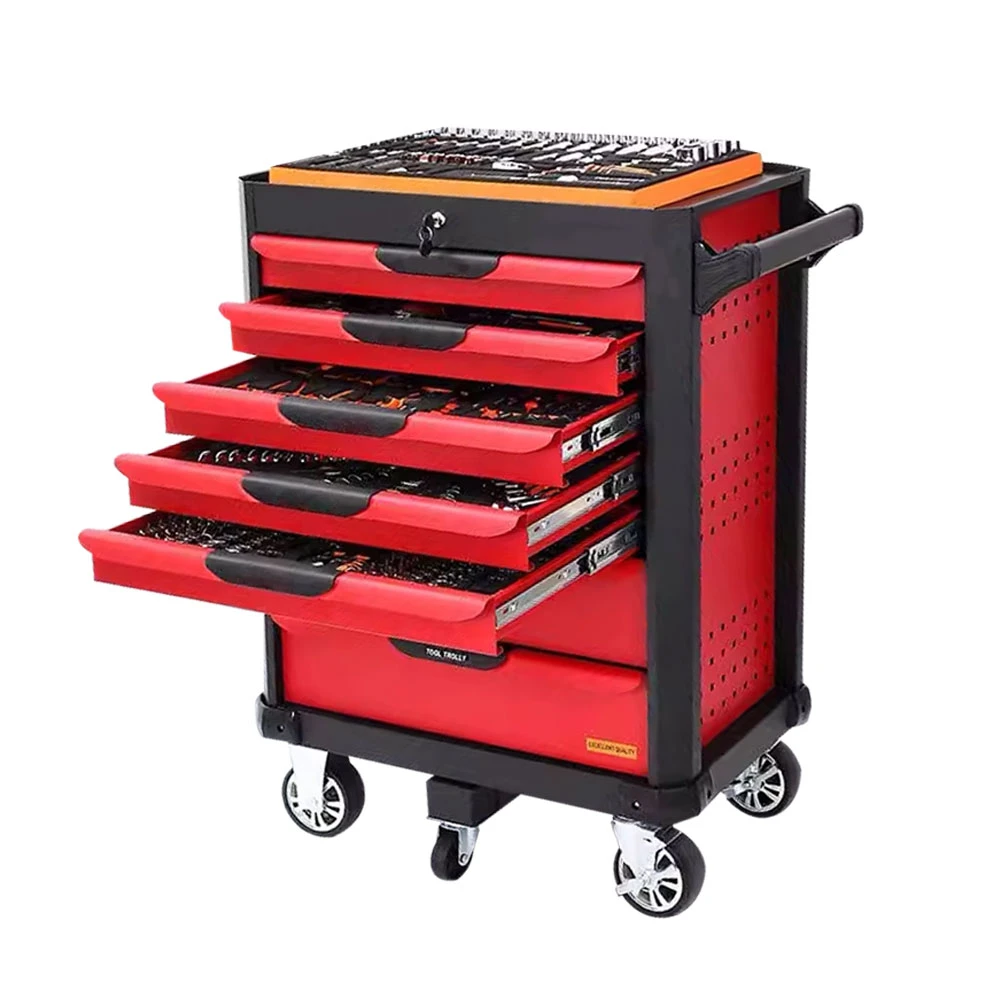
Professional All kind of Tools with Tool Cabinet, Workshop Trolley Cabinet
-
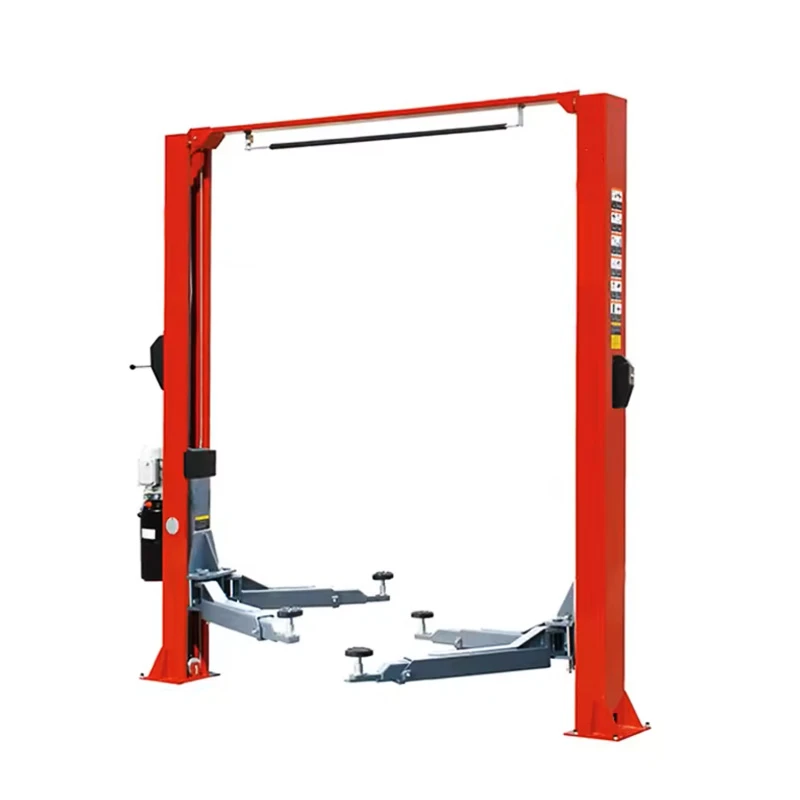
Electric Release Gantry Lifter 5t Two Post Hydraulic Used Truck Car Lifts For Sale
-
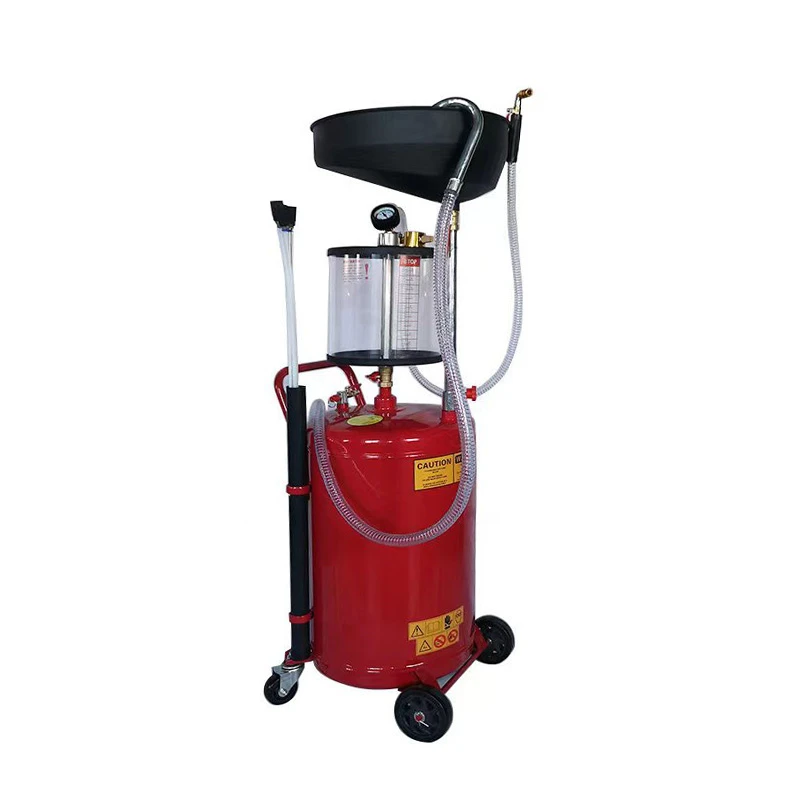
KJ-3197 Pneumatic Oil Extractor Waste Oil Changer Drainer with Lift Tank Auto Repair Tool
-
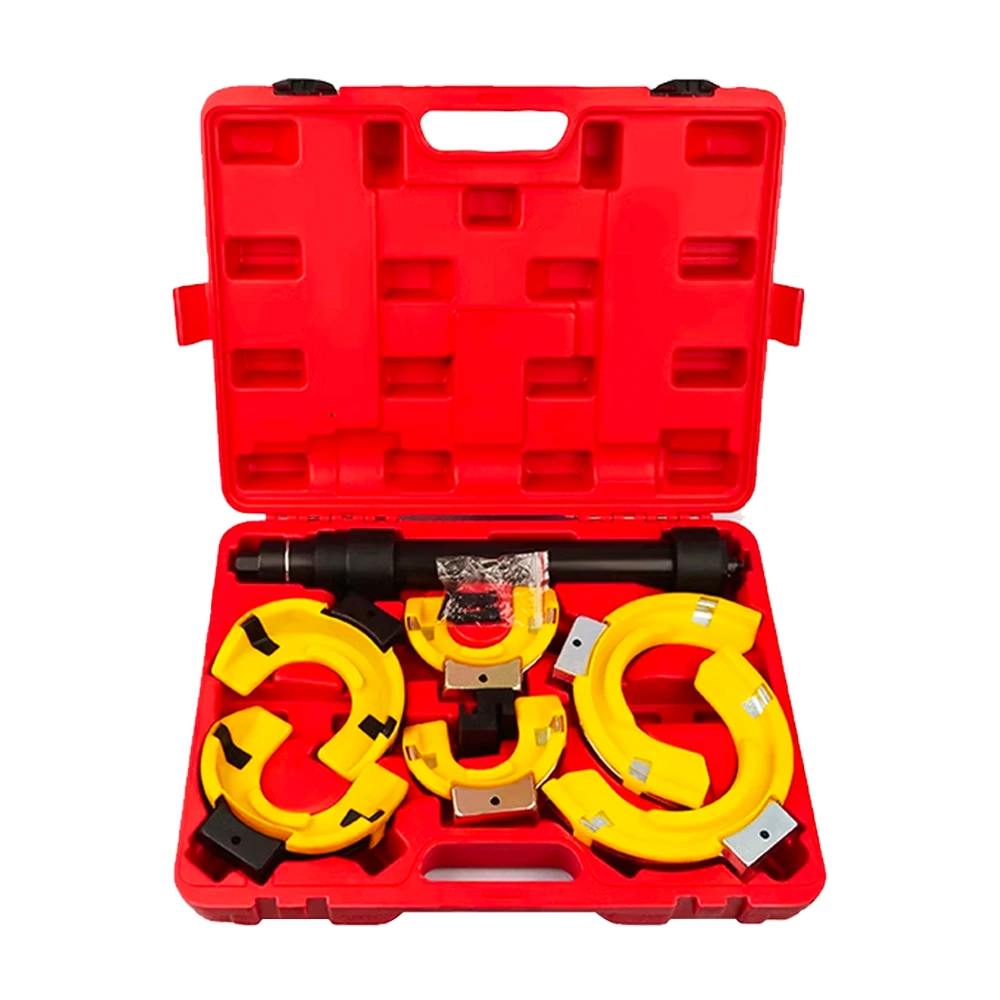
Powerful Spring Dumper Extractor Replaceable Shock Absorb Tools Strong Shock Absorber Spring Compressor Set
-
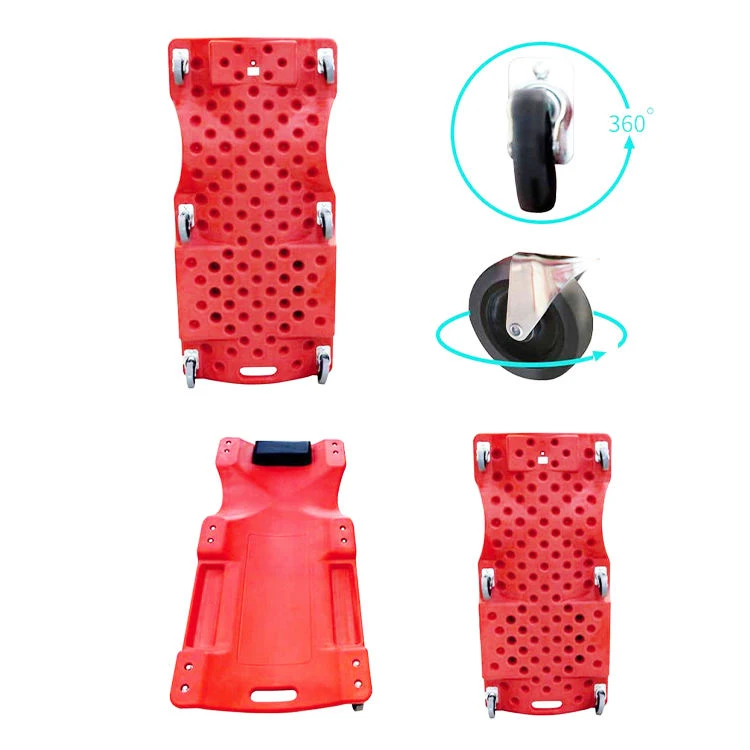
40 Inch 6 Wheel Plastic Workshop Garage Mechanics Tool Creeper Trolley Car Automotive Repair Mechanics Creeper
-
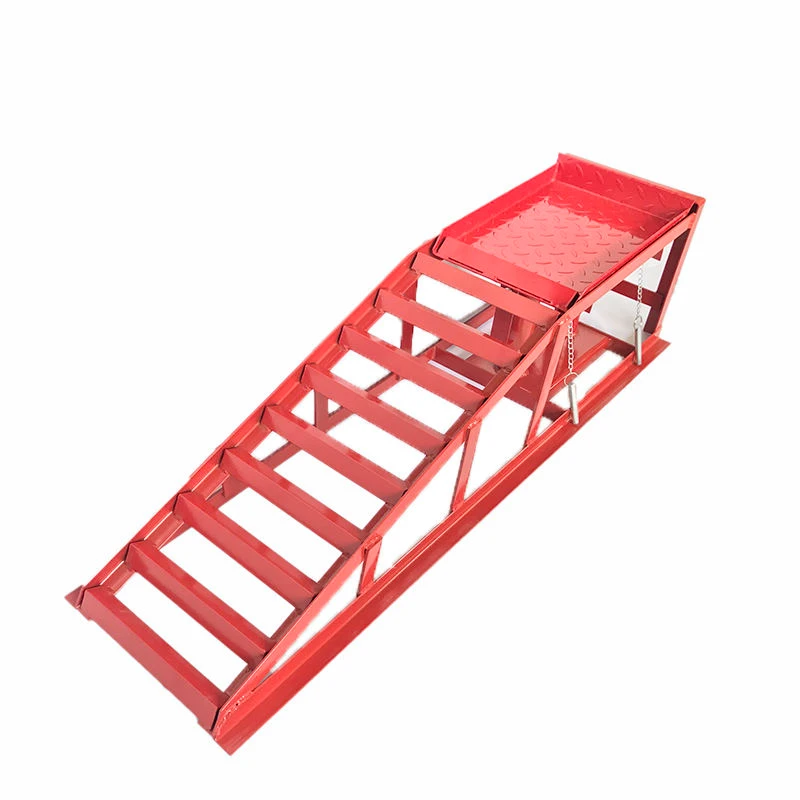
Plastic Car Ramp High Lift Auto Vehicle Car Ramp Portable Car Service Ramps
-
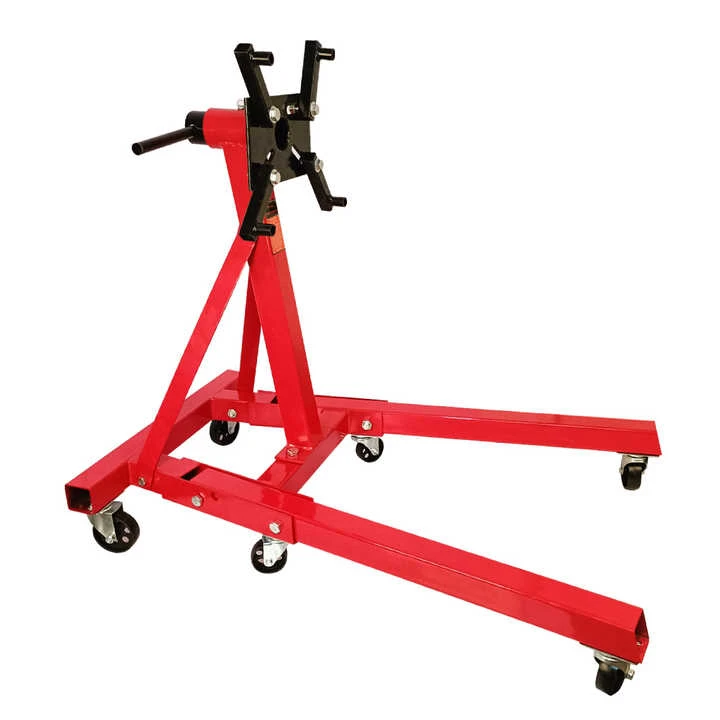
2000lb Car Engine Stand Gate Valve Machine Auto Tools Mechanical Transmission Jack With Stand Operation
-
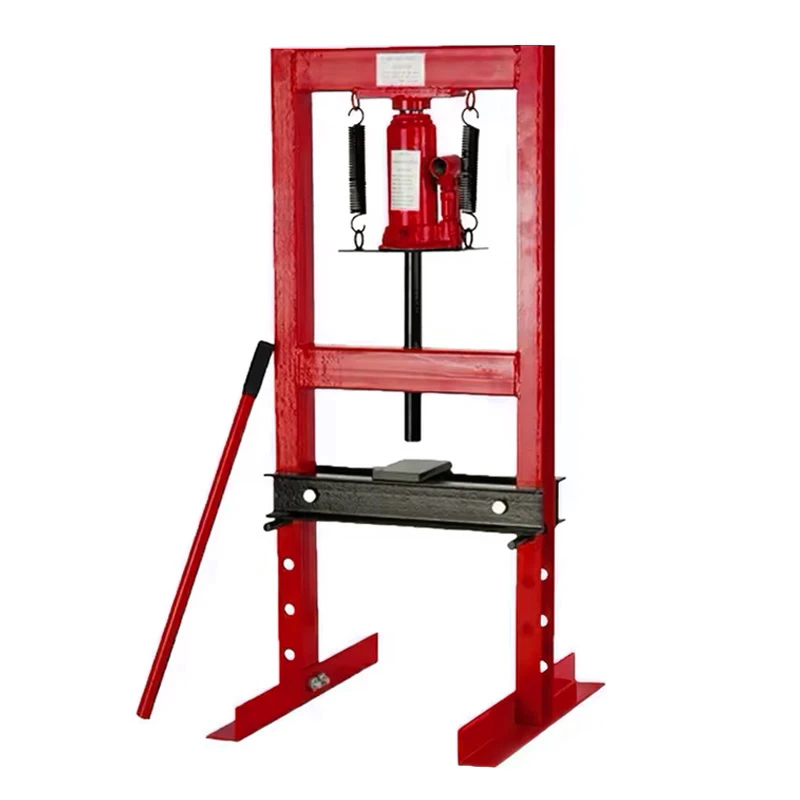
Manual Press Hand Type 6tons Hydraulic Shop Press H Frame Hydraulic Press
-
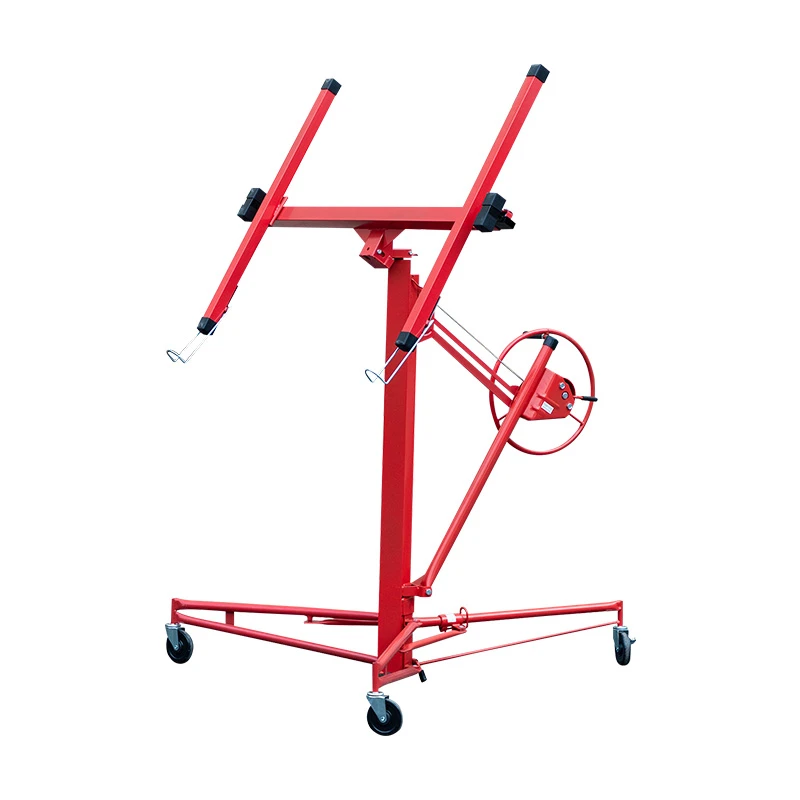
Easy-to-Use Manual Jack Lifter Construction Tools Drywall Hoist Lift Rolling Panel Drywall Rolling Lifter Panel
-
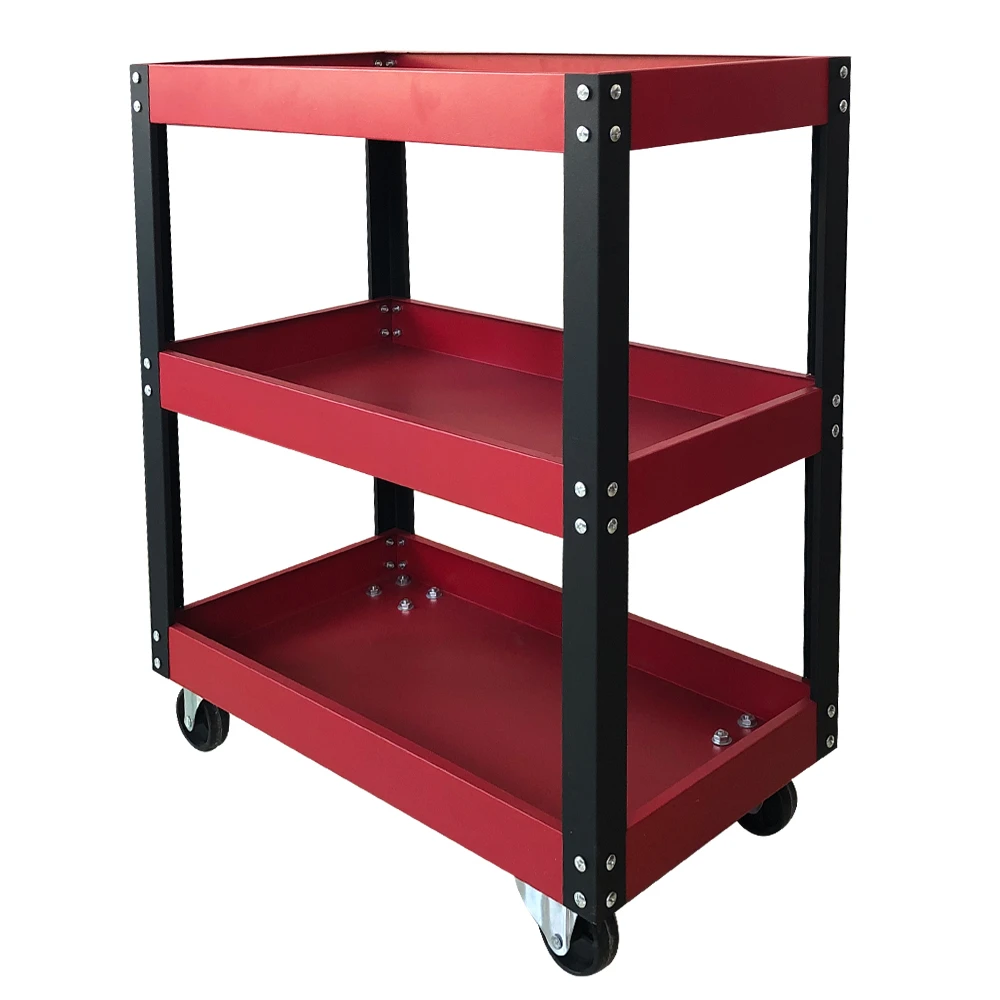
Auto Repair Tool Cart Roller Tools Box Set Mechanic Professional Cabinet for Workshop Garage Serving
-
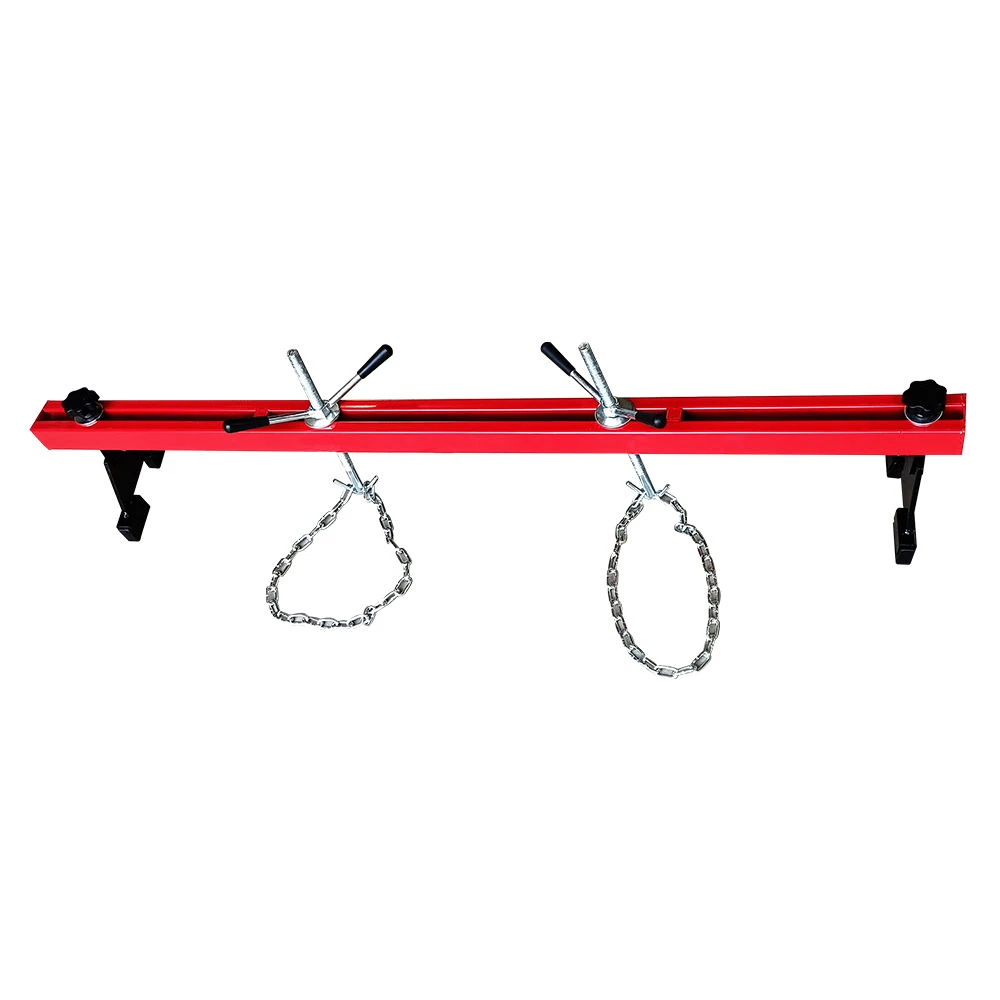
Oem Engine Support Bar 1100 Lbs Capacity Transverse Bar Engine Hoist 2 Point Lift Holder Hoist Dual Hooks Engine Bar
-
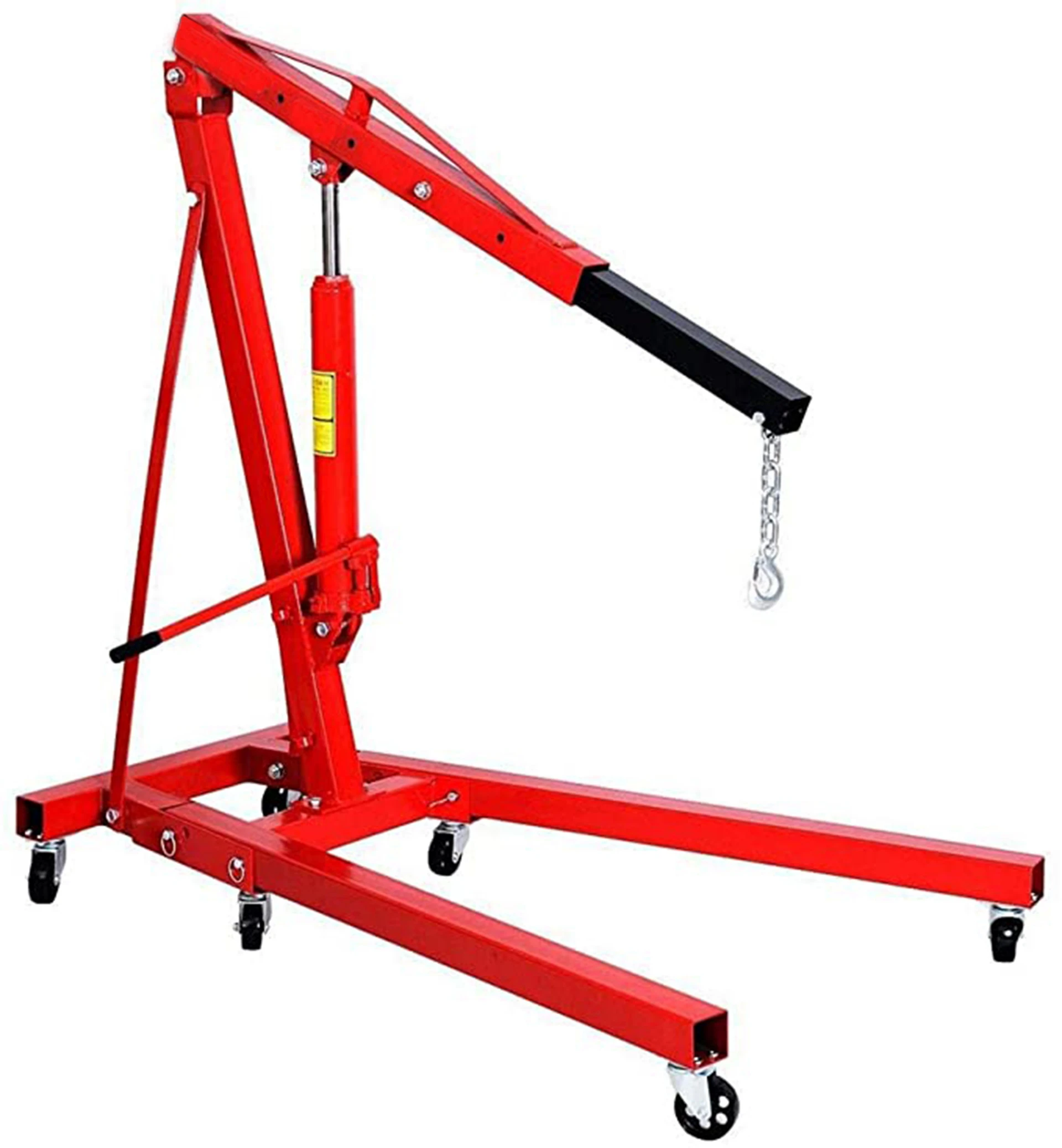
2 Ton Folding Shop Crane Lifting Machine Mini Truck Hydraulic Jack Engine Crane Folding Crane
-
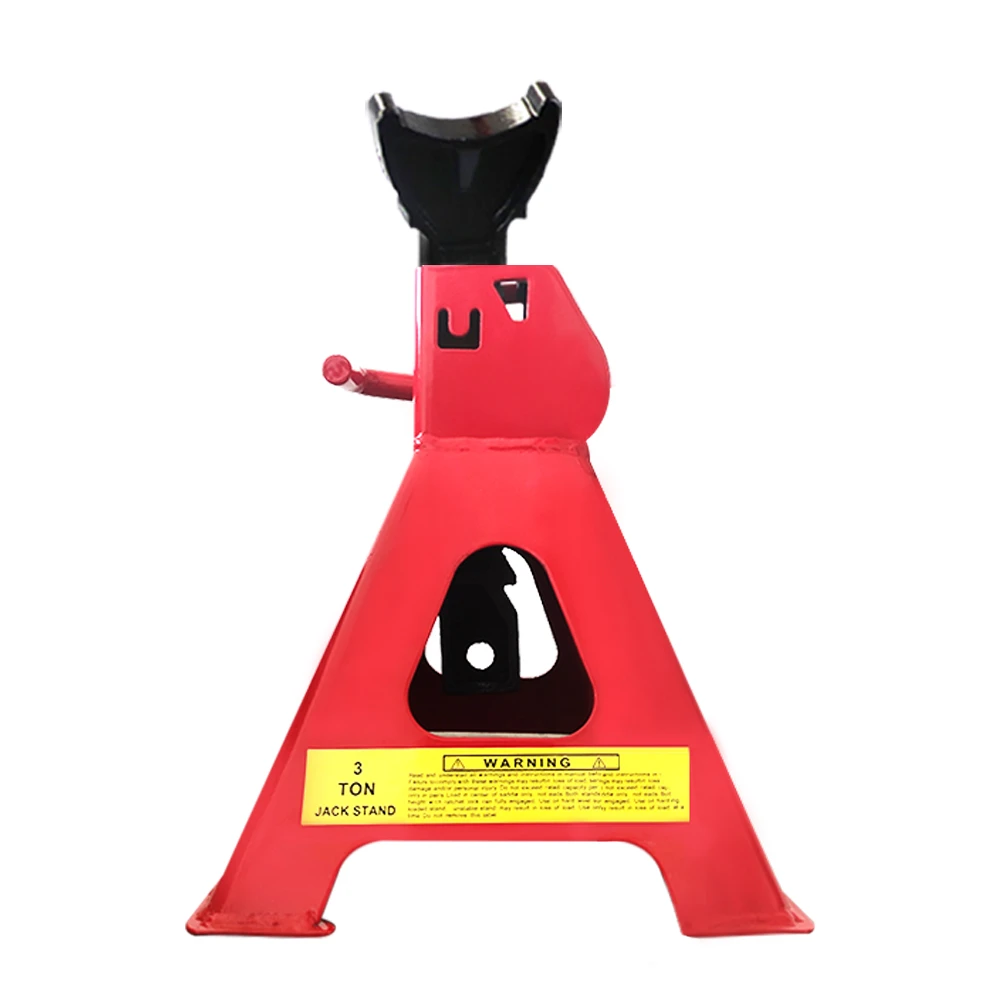
Heavy Duty Vehicle Support Car Jack Stand 3T 6T Adjustable Mobile Jack Stand
-
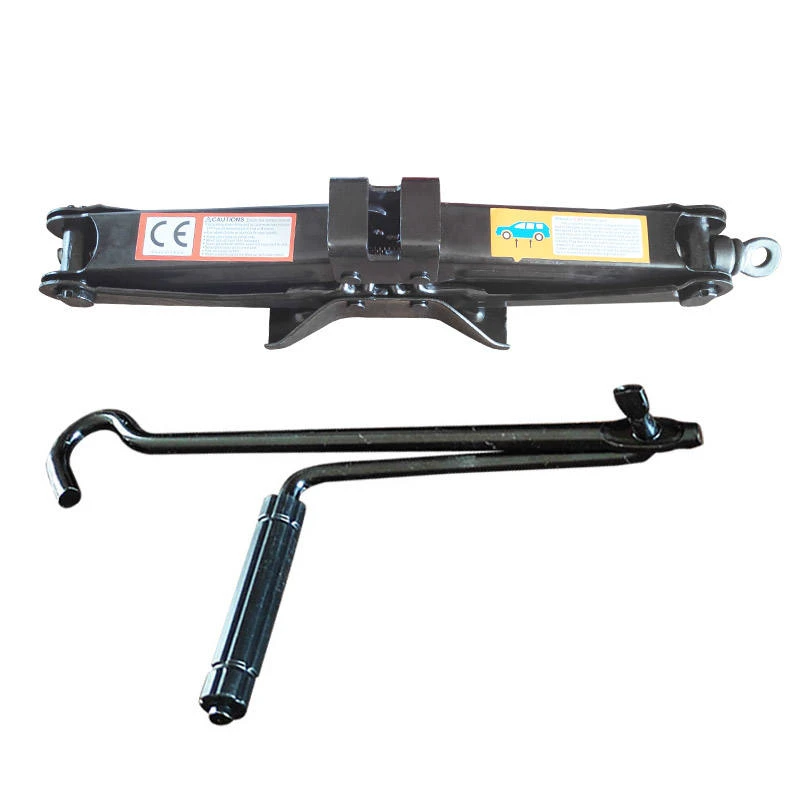
Car Lift Scissor Jack Steel Scissor Jacks Car Jack Portable
-
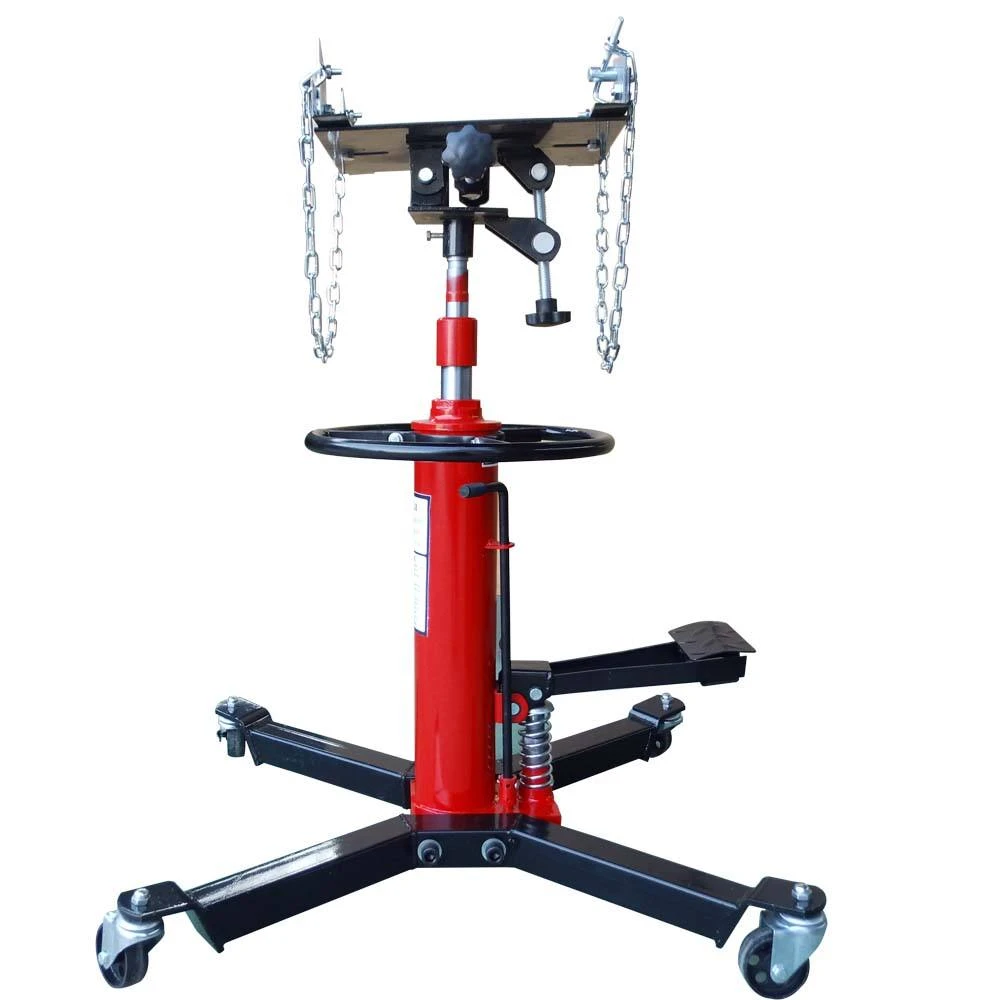
0.6T Professional Hydraulic Telescopic Transmission Jack Garage Equipment With CE For Car Engine Repair
Latest News
-
OEM Engine Support Bar 1100 Lbs | Longge Auto Tools
NewsMar.15,2026 -
Maximize Efficiency with a Robust 10 Drawer Tool Trolley for Your Workshop
NewsFeb.24,2026 -
Maximize Workshop Efficiency with a Robust 5 Drawer Rolling Tool Cabinet
NewsFeb.11,2026 -
Maximize Workshop Efficiency with the Robust 48 Tool Cabinet
NewsJan.30,2026 -
Comprehensive Guide to the 3 Ton Folding Engine Hoist for Automotive Lifting
NewsJan.28,2026 -
Comprehensive Guide to the Versatile 2 Ton Shop Crane for Workshop Use
NewsJan.27,2026 -
Maximize Engine Repair Efficiency with a 2 Ton Hydraulic Engine Hoist
NewsJan.27,2026
 English
  Arabic
  Bengali
  China
China  French
  German
  Hausa
Hausa  Indonesian
  Italian
  Japanese
  Javanese
  Malay
Malay  Persian
  Portuguese
  Punjabi
  Russian
  Spanish
  Swahili
  Telugu
  Vietnamese