Engine Support Rod for Safe & Easy Engine Maintenance
The Essential Role of Advanced Engine Support Systems in Modern Industrial Operations
In the intricate landscape of contemporary industrial maintenance and automotive repair, the integrity and stability of engine components during servicing or installation are paramount, necessitating robust solutions like the engine support rod. This critical piece of equipment, often referred to as an engine transverse bar or engine support beam, provides the indispensable structural integrity required to securely hold an engine in place, mitigating risks of damage or injury during complex operations. As industries evolve towards more sophisticated machinery and tighter operational tolerances, the demand for precision-engineered support tools has never been higher. These systems are not merely static holders but dynamic components designed to integrate seamlessly with various engine configurations, ensuring optimal accessibility and safety for technicians. The inherent design philosophy focuses on maximizing load-bearing capacity while maintaining a compact footprint, a testament to the advancements in materials science and mechanical engineering. Furthermore, the integration of quick-release mechanisms and adjustable features underscores a commitment to operational efficiency, directly contributing to reduced downtime and enhanced productivity in high-stakes environments. The careful selection and deployment of such specialized tools reflect a strategic investment in operational excellence and workforce safety, forming a cornerstone of best practices in any professional mechanical setting.
The current industry trend underscores a significant shift towards high-capacity, multi-functional engine support systems that can accommodate the increasing weight and complexity of modern power units, including those found in heavy-duty commercial vehicles and specialized industrial equipment. Manufacturers are now focusing on advanced alloys and composite materials to achieve superior strength-to-weight ratios, enhancing portability without compromising structural integrity. This evolution is also driven by stringent safety regulations and an increasing emphasis on ergonomic design, which seeks to minimize technician strain and potential for workplace accidents. Beyond just holding capacity, contemporary solutions, such as the Oem Engine Support Bar 1100 Lbs Capacity Transverse Bar Engine Hoist 2 Point Lift Holder Hoist Dual Hooks Engine Bar, feature sophisticated anti-slip mechanisms and precision height adjustments, allowing for micro-positioning that is essential for accurate engine alignment and component installation. The integration of digital load indicators and smart sensors is also emerging, providing real-time feedback on stability and weight distribution, further enhancing safety protocols. These technological advancements not only streamline maintenance procedures but also extend the operational lifespan of both the supported engine and the support equipment itself, representing a holistic approach to asset management. The strategic adoption of these cutting-edge support systems is a clear indicator of a proactive stance towards operational excellence and adherence to the highest safety standards in diverse industrial applications.
Technical Specifications and Performance Benchmarks
Understanding the technical parameters of an engine support rod is crucial for ensuring its appropriate application and maximizing operational efficiency and safety. Key specifications include maximum load capacity, which dictates the heaviest engine the bar can safely support; typical capacities range from 500 lbs to over 2000 lbs for specialized industrial applications, with common automotive versions like the Oem Engine Support Bar offering 1100 lbs. Span adjustability is another vital parameter, defining the range over which the support points can be positioned to accommodate various engine bay widths; a wider adjustable span ensures versatility across different vehicle models and industrial machinery. Hook and chain length, along with their material composition (often high-strength steel or alloy for durability), directly impact the reach and secure attachment to the engine. Furthermore, the material of the main beam—typically heavy-duty steel (e.g., Q235, Q345) or sometimes aluminum for lighter models—determines its structural rigidity and resistance to bending under load. Surface treatments like powder coating or galvanization contribute to corrosion resistance, extending the product's lifespan, especially in harsh industrial environments. Operating temperatures and resistance to various chemicals are also considered for specialized uses in sectors such as petrochemical or marine engineering, where exposure to extreme conditions is common.
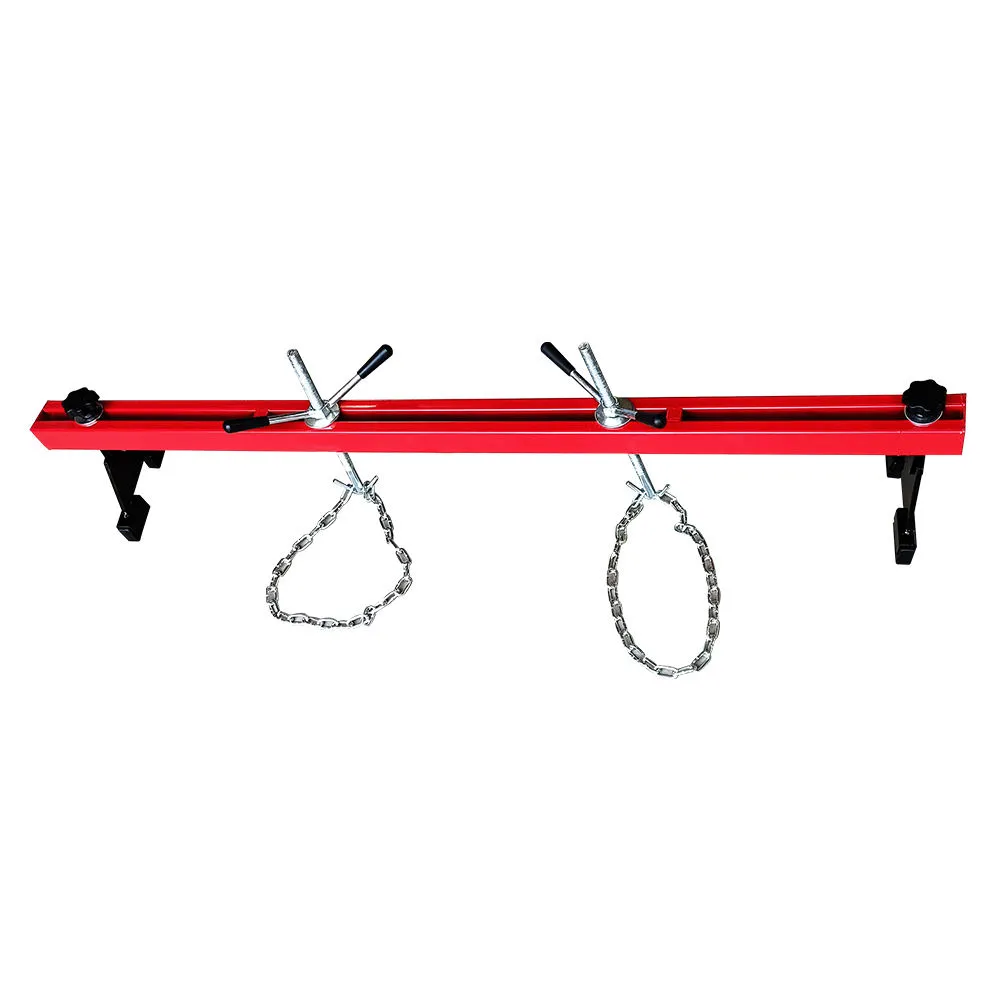
The performance of an engine support rod is benchmarked against critical criteria such as deflection under maximum load, ease of adjustment, and stability during dynamic operations (e.g., when the engine shifts slightly during removal of transmission components). Rigorous testing, often adhering to ANSI/ASME B30.16 or EN 1492-1 standards for lifting equipment, ensures that the product performs reliably within its stated parameters. For instance, a deflection test might involve applying 125% of the rated capacity to ensure the beam maintains structural integrity without permanent deformation. Ease of adjustment is measured by the smoothness of the screw mechanisms or hydraulic systems, allowing for precise positioning with minimal effort. Stability is assessed by simulating real-world scenarios, ensuring that the engine remains securely suspended without swaying or slipping, even when off-center loads are applied or vibrations occur. The design often incorporates rubber padding on contact points to protect vehicle paintwork and minimize slippage, an important detail for maintaining aesthetic integrity. Furthermore, the number of support points and the geometry of the hooks are engineered to distribute weight evenly, reducing stress concentrations on the engine mounting points. These comprehensive performance metrics contribute to the overall trust and confidence users place in a support system, reinforcing its status as an indispensable tool for safe and efficient engine servicing.
Typical Engine Support Bar Specifications
The Meticulous Manufacturing Process of Engine Support Rods
The production of a high-quality engine support rod is a sophisticated multi-stage process that prioritizes precision, material integrity, and adherence to stringent quality controls. It begins with the careful selection of raw materials, primarily high-grade structural steel alloys (e.g., Q235, Q345, or SAE 1045 for enhanced strength) chosen for their excellent tensile strength, yield strength, and fatigue resistance properties, critical for enduring the significant dynamic and static loads encountered during engine servicing. Following material procurement, the steel undergoes initial processing steps, which may include hot rolling or extrusion to form the primary beam profile. Subsequently, advanced manufacturing techniques like CNC (Computer Numerical Control) machining are employed for precise cutting, drilling, and shaping of the beam and its associated components such as the screw mechanisms, hooks, and support feet. For critical load-bearing parts like hooks or threaded rods, forging might be utilized to enhance grain structure and eliminate internal defects, thereby significantly increasing durability and resistance to stress fractures. Welding processes, often employing MIG (Metal Inert Gas) or TIG (Tungsten Inert Gas) methods, are then used to assemble the various components, with meticulous attention paid to weld quality to prevent stress points and ensure structural integrity. Post-welding, stress-relieving heat treatments may be applied to normalize the material and reduce residual stresses introduced during fabrication.
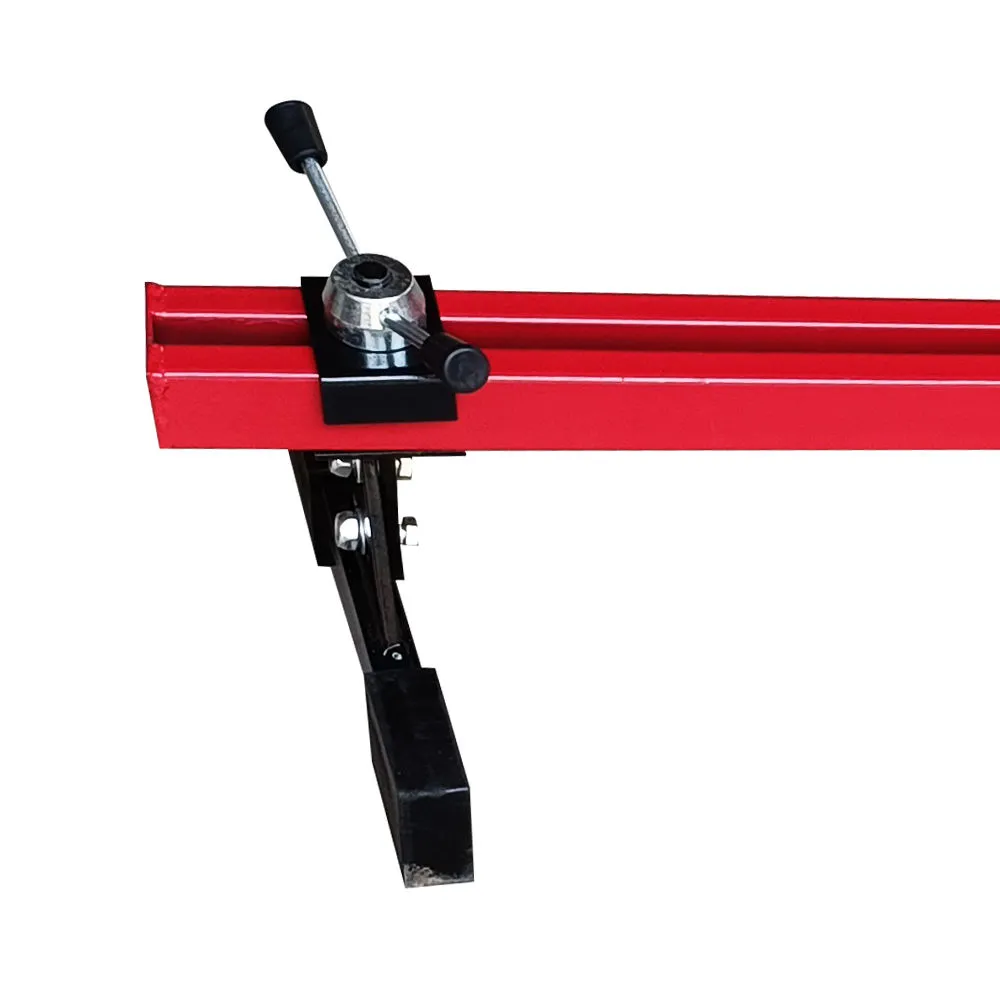
Surface treatment is the next crucial phase in the manufacturing of an engine support rod, typically involving powder coating or galvanization. Powder coating offers superior resistance to abrasion, chemicals, and corrosion, providing a durable finish that protects the steel from environmental degradation and enhances aesthetic appeal. Galvanization, particularly for components exposed to extreme moisture or corrosive agents, creates a sacrificial zinc layer that prevents rust. Throughout the entire manufacturing cycle, rigorous quality control and inspection standards are strictly enforced. This includes material composition analysis, dimensional accuracy checks using precision calipers and coordinate measuring machines (CMM), non-destructive testing (NDT) such as ultrasonic or magnetic particle inspection for weld integrity, and load testing. Every finished product undergoes a comprehensive proof-load test, often to 125% of its rated capacity, to validate its structural soundness and ensure compliance with international standards like ISO 9001:2015 for quality management and ANSI/ASME B30.16 for safety in lifting devices. The projected service life of these high-quality engine support bars can exceed a decade under normal operational conditions, a testament to their robust construction and adherence to professional manufacturing protocols. These tools are indispensable across diverse industries, from automotive repair and heavy machinery maintenance to specialized applications in petrochemical plants, metallurgical facilities, and water treatment systems, where their anti-corrosion properties and inherent safety features are particularly beneficial for longevity and reliable performance.
Versatile Application Scenarios and Distinct Technical Advantages
The adaptability of a well-engineered engine support rod positions it as an indispensable tool across a myriad of industrial and automotive maintenance scenarios. In the automotive sector, from independent repair shops to large dealership service centers, it is routinely employed during transmission removal and replacement, clutch repairs, engine mount servicing, or timing belt/chain replacements, where maintaining engine stability is paramount to prevent shifting or damage. Beyond conventional vehicles, these bars are crucial for heavy-duty truck maintenance, supporting massive diesel engines during complex overhauls. In the industrial realm, particularly within sectors like petrochemical, power generation, and heavy manufacturing, engine support beams facilitate the maintenance of large-scale pumps, compressors, and generator sets, where precise positioning and secure suspension of heavy power units are non-negotiable for safety and operational efficiency. Their utility extends to marine engine servicing and agricultural machinery repair, where robust support is needed for engines operating in challenging environments. For instance, in a refinery setting, an engine support rod might be used to stabilize a pump motor during seal replacement, preventing costly spills and ensuring rapid return to service. The ability to safely suspend and fine-tune engine positioning minimizes manual lifting, thereby reducing the risk of musculoskeletal injuries among technicians and improving overall workshop safety, directly contributing to compliance with occupational health and safety regulations.
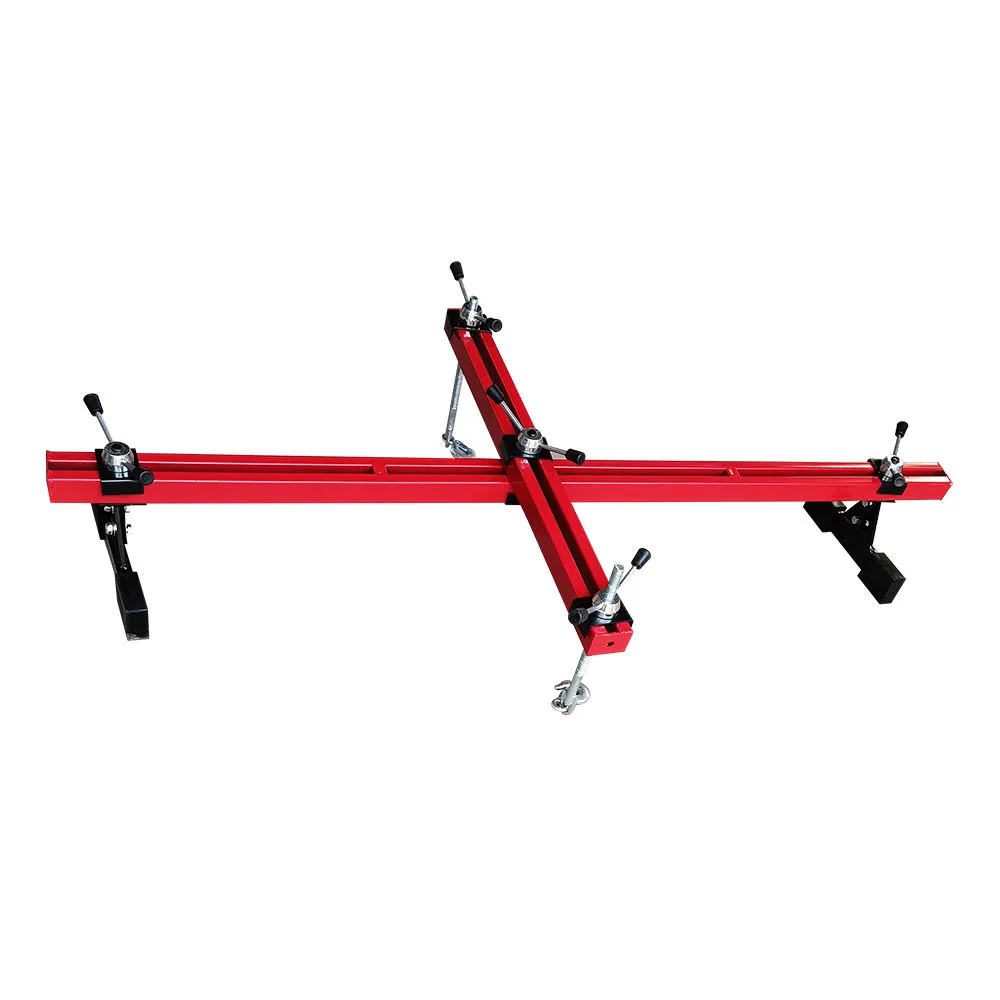
The technical advantages offered by a superior engine support rod are multifaceted, extending beyond mere load-bearing capacity to encompass enhanced operational efficiency, safety, and long-term cost savings. One primary advantage is the precise positional control it provides; fine-threaded adjustment screws or hydraulic mechanisms allow technicians to accurately raise, lower, or shift the engine by mere millimeters, which is critical for aligning components during reassembly, reducing rework, and shortening repair times. The dual-hook design, characteristic of models like the Oem Engine Support Bar 1100 Lbs Capacity Transverse Bar Engine Hoist, ensures balanced weight distribution, preventing engine tilt and potential damage to mounting points or surrounding components. Ergonomically designed handles and stable foot pads, often equipped with non-marring rubber, contribute to user comfort and protect the vehicle's finish, enhancing the professional image of the service provider. In terms of durability, the use of high-strength steel with corrosion-resistant coatings ensures longevity, even in harsh workshop environments where exposure to oils, greases, and cleaning agents is common, thereby reducing the need for frequent replacements and lowering total cost of ownership. The intrinsic safety benefits, such as preventing sudden engine drops and enabling hands-free operation, significantly mitigate workplace hazards, leading to fewer accidents and a safer working environment, which translates directly into reduced liability and improved employee morale.
Manufacturer Comparison, Custom Solutions, and Authoritative Endorsement
When evaluating suppliers for an engine support rod, B2B decision-makers must consider not only standard product offerings but also the manufacturer's capability for customization and their adherence to globally recognized quality and safety certifications. Leading manufacturers distinguish themselves through robust R&D, leveraging advanced simulation software (e.g., Finite Element Analysis for stress distribution) to optimize designs for diverse applications. Key differentiators include a wider range of standard load capacities, innovative features such as quick-release systems or collapsible designs for storage, and superior material science evident in corrosion-resistant coatings and heavy-duty steel construction. While many suppliers offer basic models, a truly reliable partner like LG Auto Tool excels in providing tailored solutions for specific industrial requirements, such as extended spans for oversized engine bays or specialized attachment points for unique engine configurations found in mining equipment or bespoke machinery. Their ability to deliver customized engineering drawings, material certifications, and detailed stress analysis reports for non-standard orders is crucial for high-stakes projects. Furthermore, the commitment to international standards like ISO 9001 (Quality Management), ISO 14001 (Environmental Management), and specific product safety certifications (e.g., CE, GS, or TUV marking where applicable) demonstrates a profound dedication to product reliability and customer trust, providing tangible proof of engineering excellence and operational integrity.
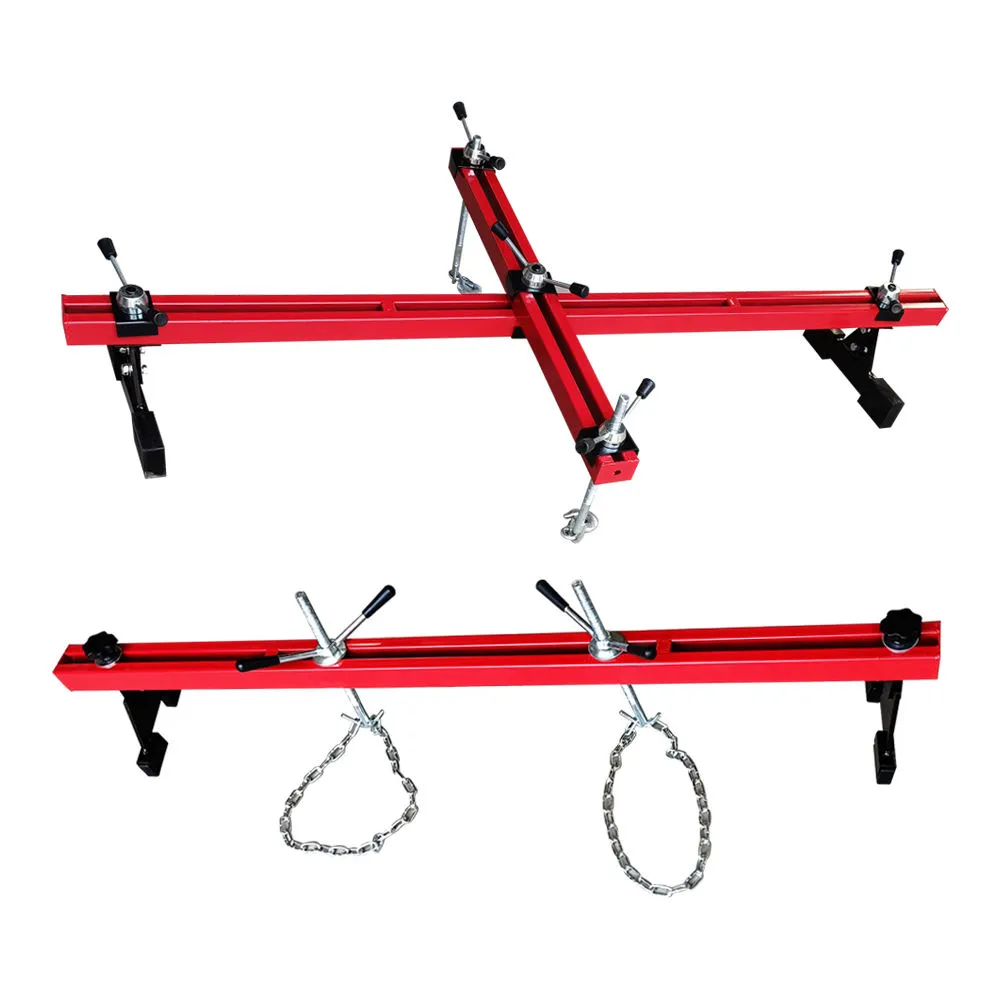
Choosing a manufacturer with a long-standing reputation and a history of successful deployments underscores their authoritativeness in the sector. For instance, a company with over two decades of experience in tool manufacturing, boasting a global distribution network and partnerships with leading automotive OEMs or industrial conglomerates, inherently commands greater trust. Testimonials and case studies from major clients, illustrating quantifiable improvements in operational efficiency or safety, serve as powerful endorsements. Consider a scenario where a large logistics company needed a custom engine support rod for their mixed fleet of heavy-duty trucks and vans. A capable manufacturer would engage in a detailed consultation, conduct site visits if necessary, and provide iterative design proposals incorporating specific vehicle dimensions and maintenance protocols. This collaborative approach ensures the final product perfectly integrates into the client's workflow, leading to significant reductions in vehicle downtime and maintenance costs. Furthermore, the provision of comprehensive after-sales support, including readily available spare parts, technical assistance, and explicit warranty agreements (e.g., a 2-year limited warranty against manufacturing defects), reinforces the manufacturer’s trustworthiness. Such a holistic commitment to product quality and customer satisfaction distinguishes industry leaders and ensures a superior return on investment for businesses.
Ensuring Trustworthiness: FAQs, Delivery, and Warranty
Transparency in product information, coupled with clear commitments on delivery and after-sales support, forms the bedrock of trustworthiness for any supplier of an engine support rod. Potential buyers often have specific questions regarding compatibility, operational procedures, and maintenance, which are best addressed through a comprehensive FAQ section. For example, common inquiries revolve around: "What is the minimum and maximum span of the support bar?", "Can it be used on engines with irregular mounting points?", "What type of vehicles or industrial equipment is it compatible with?", "Are replacement parts for the hooks or chains readily available?", and "What are the recommended inspection intervals for the tool?". Detailed answers, possibly accompanied by diagrams or instructional videos, empower users with the knowledge to safely and effectively utilize the product, mitigating potential misuse and extending the tool's lifespan. Furthermore, explicit statements regarding the typical delivery cycle are crucial for B2B planning. Standard delivery for in-stock items typically ranges from 3-7 business days within domestic markets, while custom orders or international shipments may require 4-8 weeks, depending on complexity and logistics. Reliable manufacturers will provide real-time tracking and proactive communication regarding any potential delays, ensuring supply chain predictability for their clients.
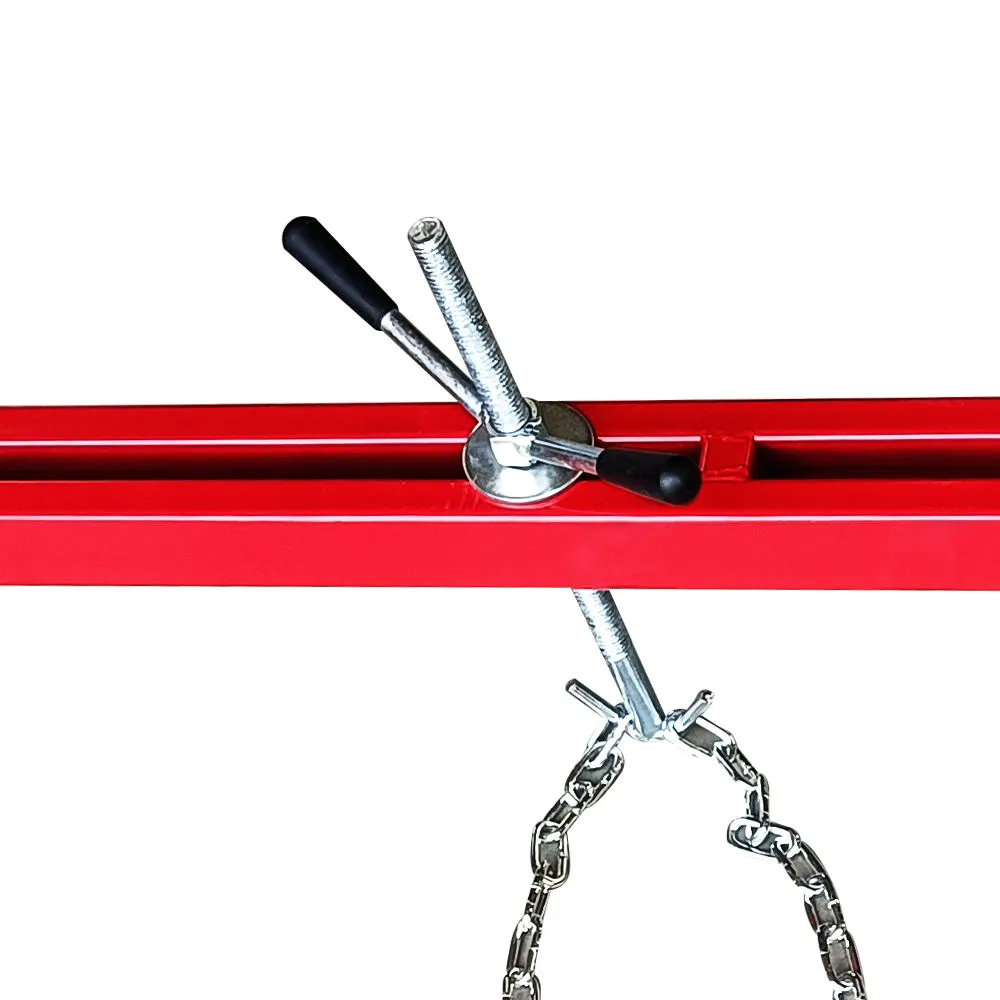
A robust warranty policy and readily accessible customer support mechanisms are non-negotiable elements in building long-term trust with B2B clients purchasing an engine support rod. A reputable manufacturer typically offers a comprehensive warranty, such as a 1 to 2-year limited warranty against manufacturing defects in materials and workmanship, ensuring peace of mind for the buyer. This warranty should explicitly cover structural integrity, welding quality, and the proper functioning of adjustment mechanisms under normal use. Clear guidelines on how to initiate a warranty claim, including required documentation and inspection procedures, are essential. Beyond the warranty period, ongoing customer support—accessible via phone, email, or a dedicated online portal—is invaluable for troubleshooting, technical inquiries, and sourcing spare parts. This commitment to continuous support ensures that businesses can maximize the operational life of their investment and minimize downtime. For example, should a customer encounter an issue with a specific part, a responsive support team can quickly identify the component from parts diagrams and arrange for swift delivery, demonstrating a commitment to sustained performance and customer satisfaction. The proactive engagement of a manufacturer in addressing post-purchase needs significantly differentiates them and solidifies their position as a reliable partner in the B2B landscape.
Frequently Asked Questions (FAQs)
-
Q1: What is the primary purpose of an engine support rod, and how does it differ from a conventional engine hoist?
An engine support rod, also known as an engine transverse bar or engine support beam, is designed to securely support an engine from above by resting across the vehicle's fender wells or structural frame, typically when the engine mounts or transmission need to be removed or serviced. Its primary purpose is to hold the engine in place, preventing it from dropping or shifting during maintenance procedures that involve disassembling components directly supporting the engine from below. This allows for precise adjustments of engine height and position, offering hands-free operation and improving access to difficult-to-reach areas. In contrast, a conventional engine hoist (or engine crane) is used to lift an entire engine out of the vehicle bay for complete removal or installation. While both tools interact with the engine, the engine support bar is specifically for in-bay stabilization and minor repositioning, providing a stable platform for intricate work, whereas a hoist is for complete removal and transport, making them complementary tools in a professional mechanic's arsenal.
-
Q2: What are the critical safety features to look for in an engine support rod?
When selecting an engine support rod, several critical safety features should be prioritized to ensure optimal operational security. Firstly, verify its maximum load capacity, ensuring it comfortably exceeds the weight of the heaviest engine it will support; a common automotive bar like the Oem Engine Support Bar has an 1100 lbs capacity. Secondly, inspect the quality and strength of the support hooks and chains; they should be made of high-strength, heat-treated steel and be securely attached to the main beam with robust mechanisms. Third, look for non-slip, padded feet or rubber base pads on the support beam to prevent scratching the vehicle's paintwork and ensure stable contact with the fender wells or frame. Fourth, the adjustment mechanisms (e.g., screw threads) should operate smoothly and securely, preventing any sudden drops or shifts in engine position. Fifth, ensure the product adheres to international safety standards such as ISO 9001, ANSI/ASME B30.16, or CE certification, which indicate rigorous testing and quality assurance processes, affirming that the manufacturer has taken comprehensive steps to meet safety benchmarks and produce a reliable, safe product.
-
Q3: Can an engine support rod be used for marine engines or industrial machinery beyond automotive applications?
Yes, high-quality engine support rod systems are engineered for versatility and can certainly be adapted for use with marine engines and various types of industrial machinery, provided the specific unit's weight falls within the bar's rated load capacity and there are suitable anchor points or structural elements for the bar to rest upon. For marine applications, additional consideration should be given to corrosion resistance; opting for models with heavy-duty powder coating or galvanized finishes is crucial due to the often-humid and saline environments. In industrial settings, such as petrochemical plants, power generation facilities, or heavy manufacturing units, these support bars are invaluable for servicing large compressors, pumps, generators, or other engine-driven equipment. Custom solutions, including extended span widths or specialized mounting adapters, can be engineered by reputable manufacturers to accommodate unique machinery configurations, ensuring that the engine support beam perfectly fits the operational requirements and contributes to safe, efficient maintenance procedures in diverse demanding environments.
-
Q4: What is the typical service life of an engine support rod, and what maintenance is required?
The typical service life of a well-maintained, high-quality engine support rod can extend beyond 10 years, often reaching 15-20 years under normal operational conditions. This longevity is attributed to their robust construction from high-strength steel and durable surface treatments like powder coating, which protect against corrosion and wear. To ensure maximum service life and continued safety, regular maintenance is essential. This includes visually inspecting the main beam for any signs of bending, cracks, or damage, particularly after heavy loads. All welding points should be checked for integrity. The screw threads on the adjustment mechanisms should be cleaned and lubricated periodically (e.g., every 6-12 months, depending on usage) with appropriate grease to ensure smooth operation and prevent seizing. Inspect the hooks, chains, and any associated hardware for wear, distortion, or damage, and replace them immediately if compromised. The rubber foot pads should also be checked for deterioration to maintain optimal grip and prevent scratching. Storing the tool in a clean, dry environment away from corrosive agents also contributes significantly to its prolonged lifespan and reliable performance, safeguarding your investment for many years of heavy-duty use.
References and Authoritative Sources
- ANSI/ASME B30.16 - Safety Standard for Overhead Hoists (Underhung, Monorail, and Patented Track)
- ISO 9001:2015 - Quality Management Systems - Requirements
- NIST - National Institute of Standards and Technology Publications on Material Science and Engineering.
- SAE International - Society of Automotive Engineers standards and recommended practices for vehicle and equipment design.
- OSHA - Occupational Safety and Health Administration guidelines for mechanical power transmission apparatus and lifting operations.
Products categories
-
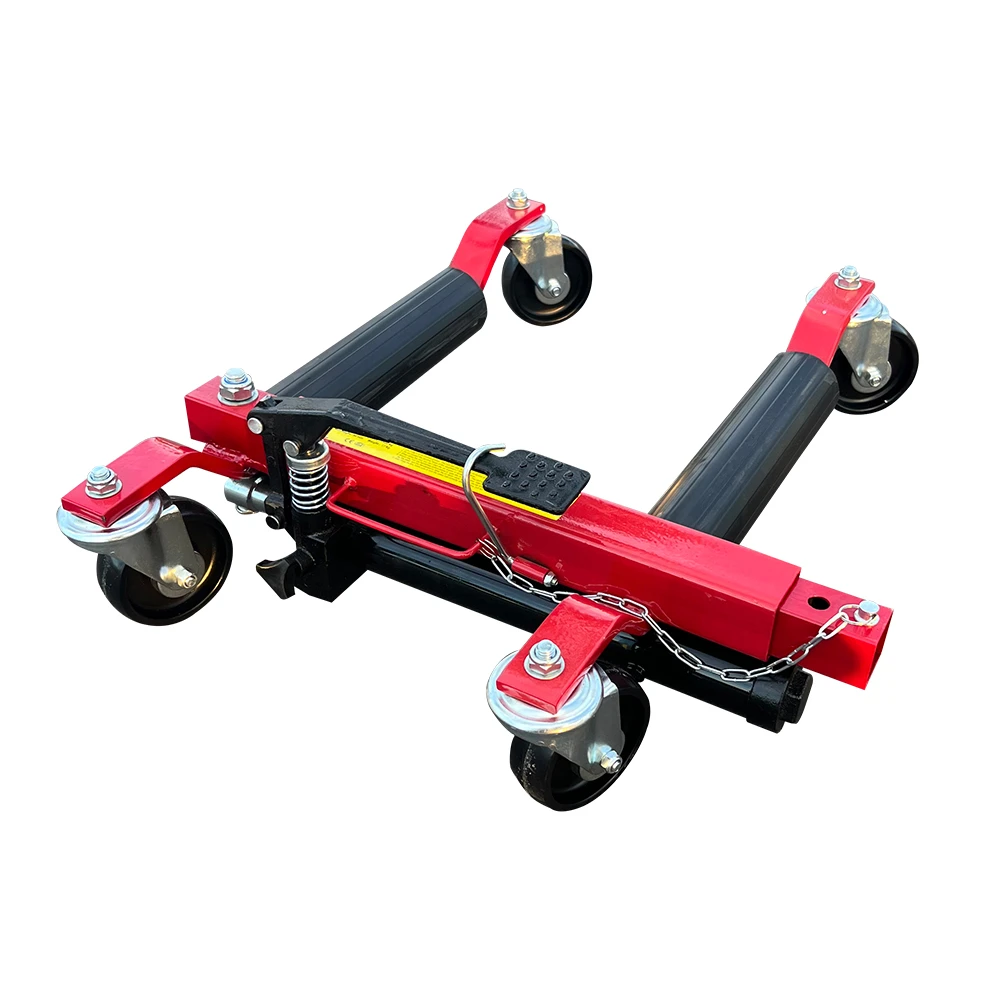
Car Jack Vehicle Mover Tow Dolly Universal Moving Tool Wheel Towing Trailer tools automatic car jack
-
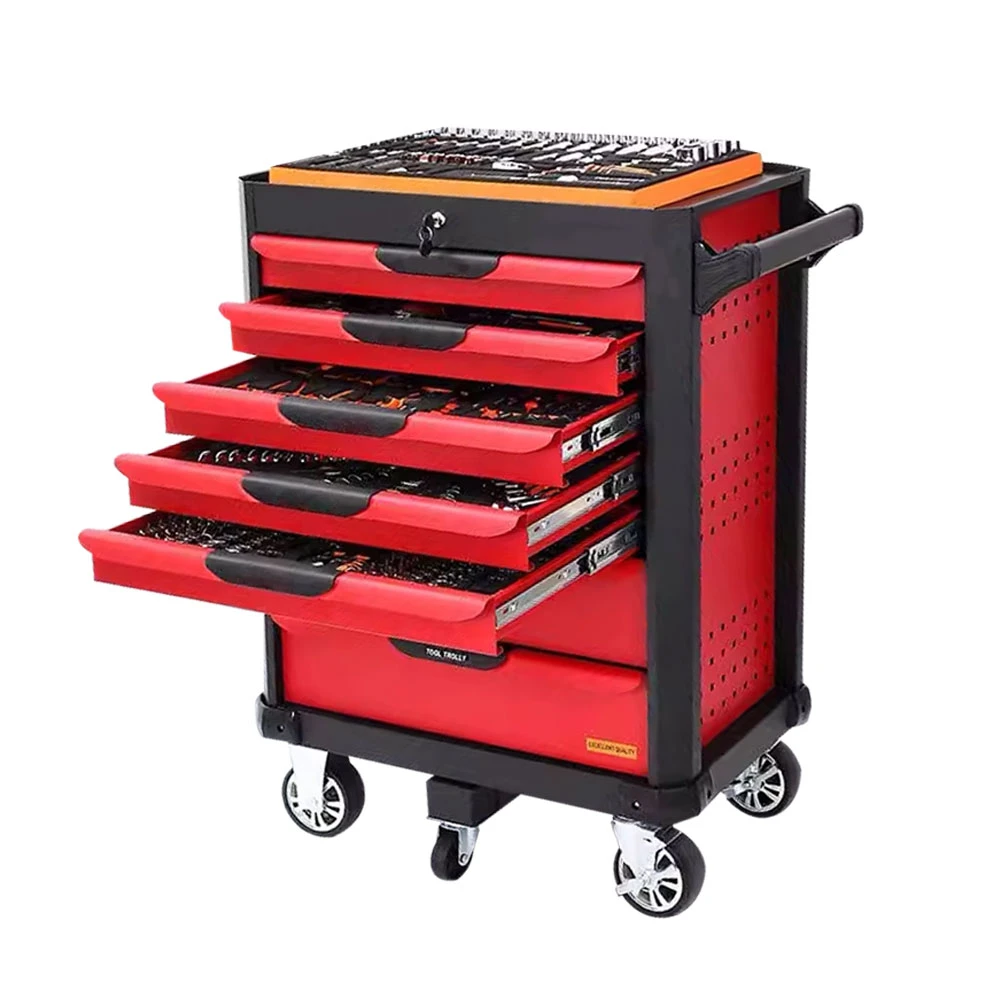
Professional All kind of Tools with Tool Cabinet, Workshop Trolley Cabinet
-
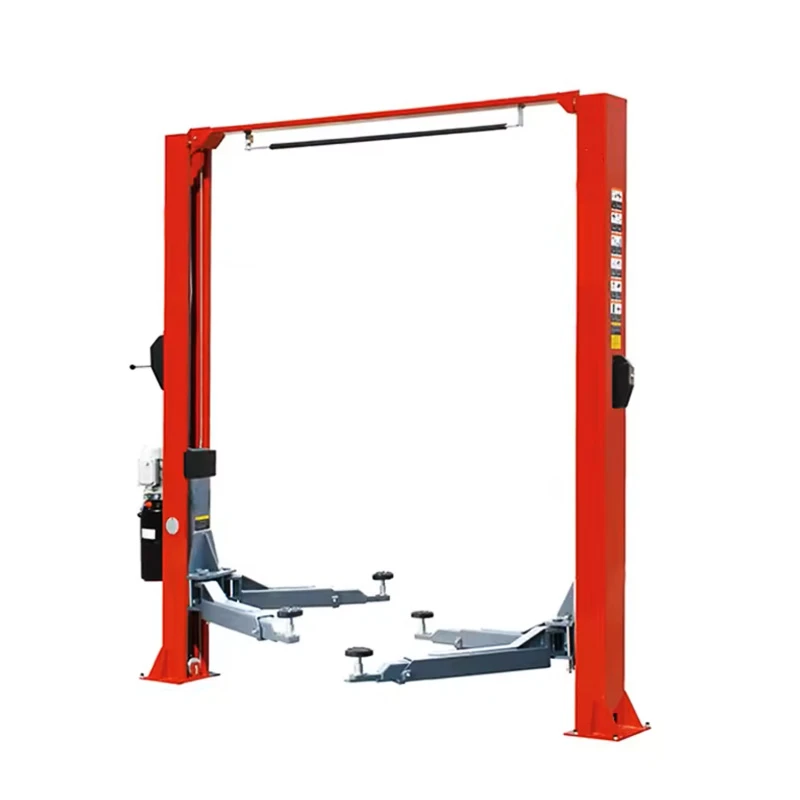
Electric Release Gantry Lifter 5t Two Post Hydraulic Used Truck Car Lifts For Sale
-
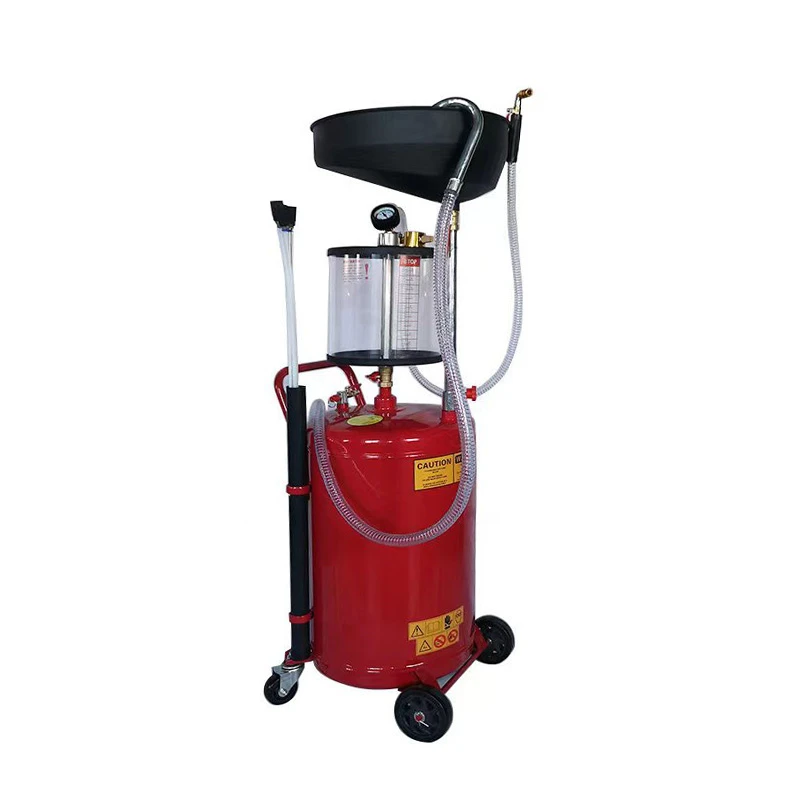
KJ-3197 Pneumatic Oil Extractor Waste Oil Changer Drainer with Lift Tank Auto Repair Tool
-
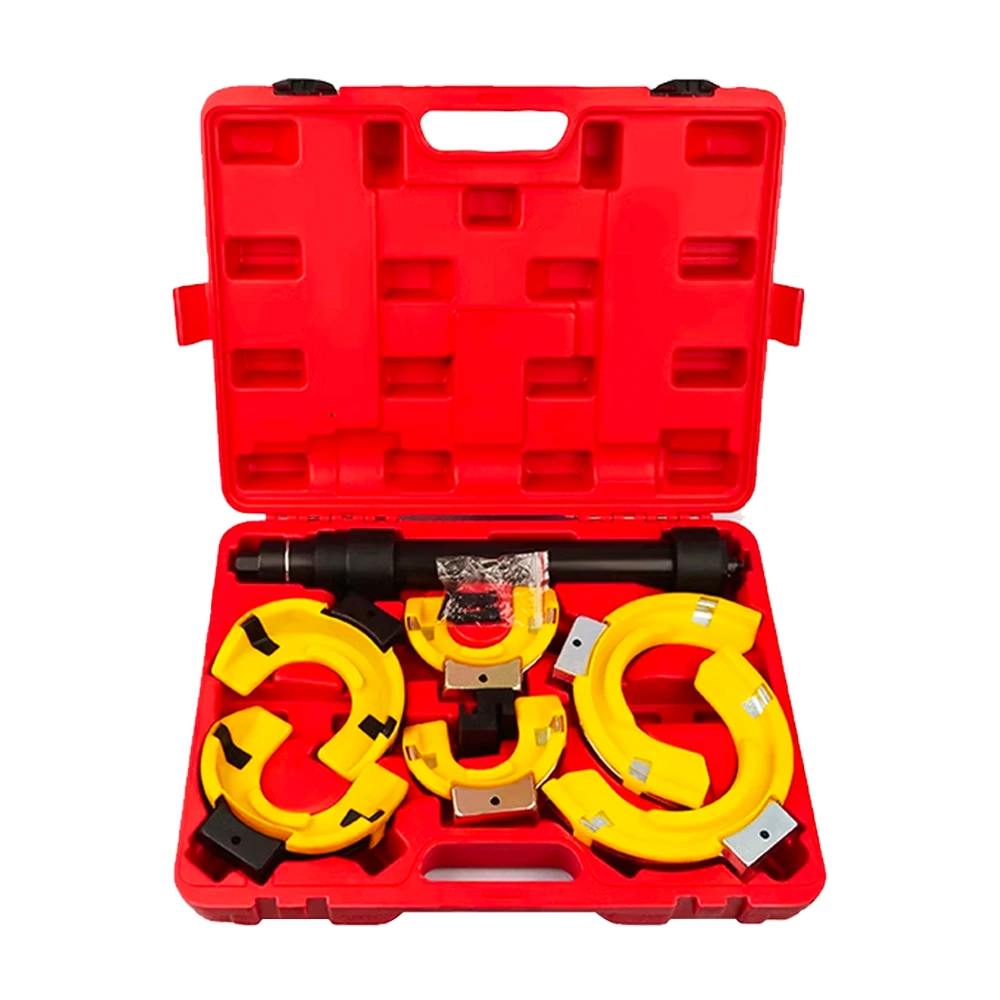
Powerful Spring Dumper Extractor Replaceable Shock Absorb Tools Strong Shock Absorber Spring Compressor Set
-
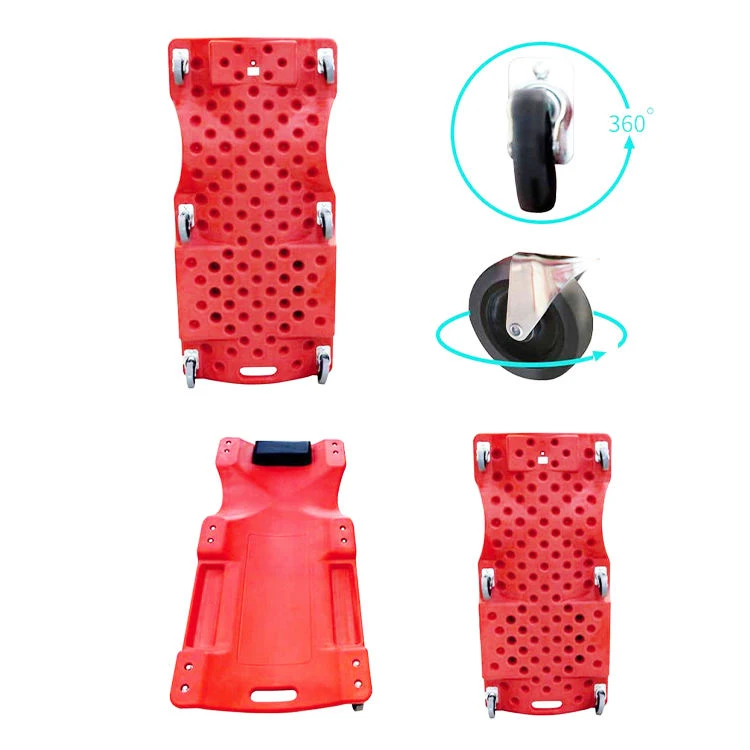
40 Inch 6 Wheel Plastic Workshop Garage Mechanics Tool Creeper Trolley Car Automotive Repair Mechanics Creeper
-
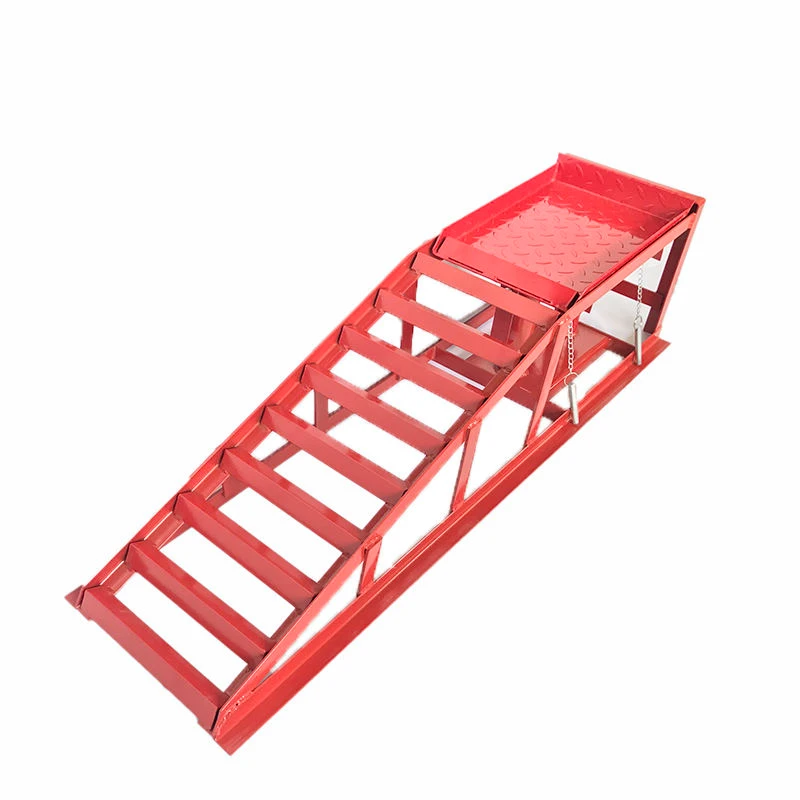
Plastic Car Ramp High Lift Auto Vehicle Car Ramp Portable Car Service Ramps
-
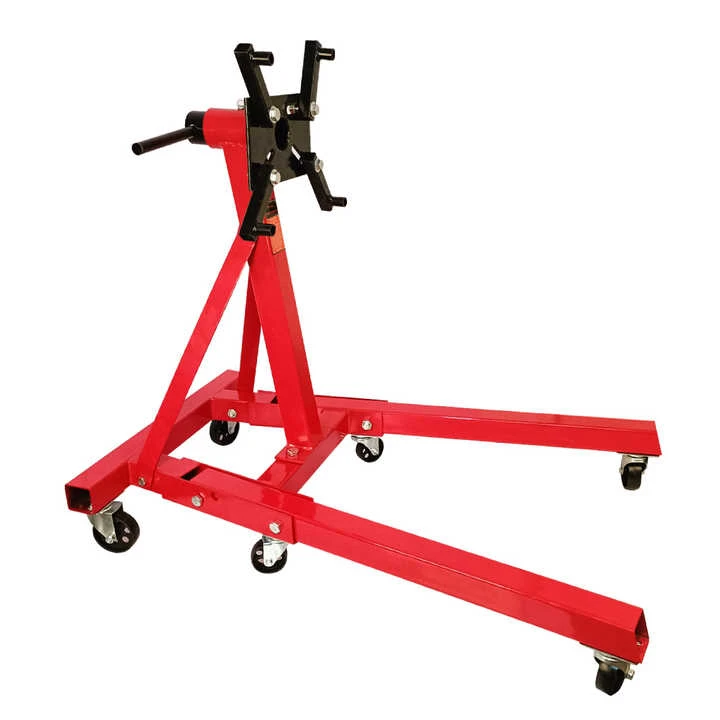
2000lb Car Engine Stand Gate Valve Machine Auto Tools Mechanical Transmission Jack With Stand Operation
-
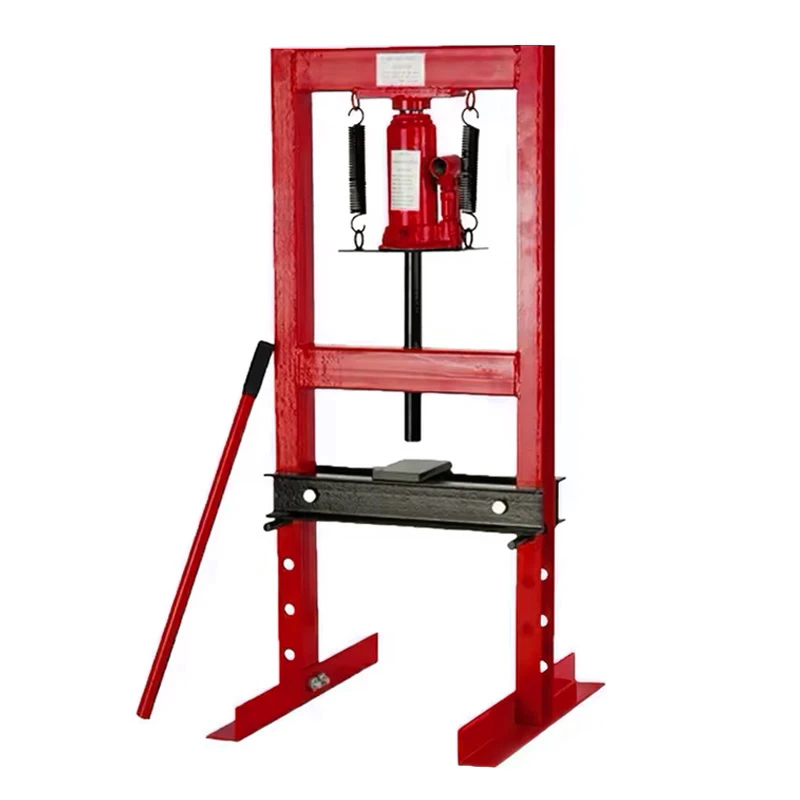
Manual Press Hand Type 6tons Hydraulic Shop Press H Frame Hydraulic Press
-
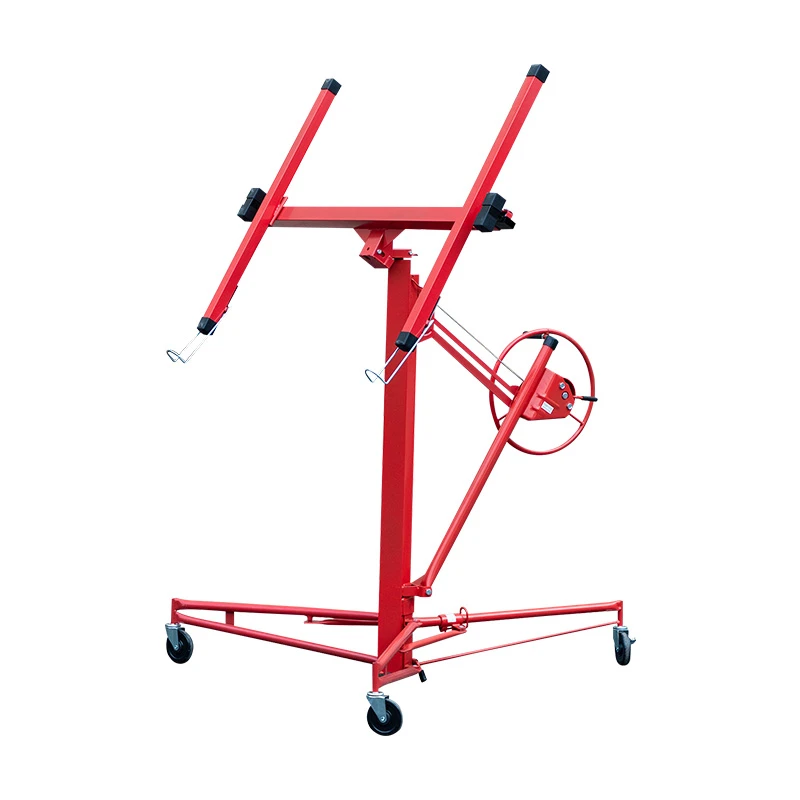
Easy-to-Use Manual Jack Lifter Construction Tools Drywall Hoist Lift Rolling Panel Drywall Rolling Lifter Panel
-
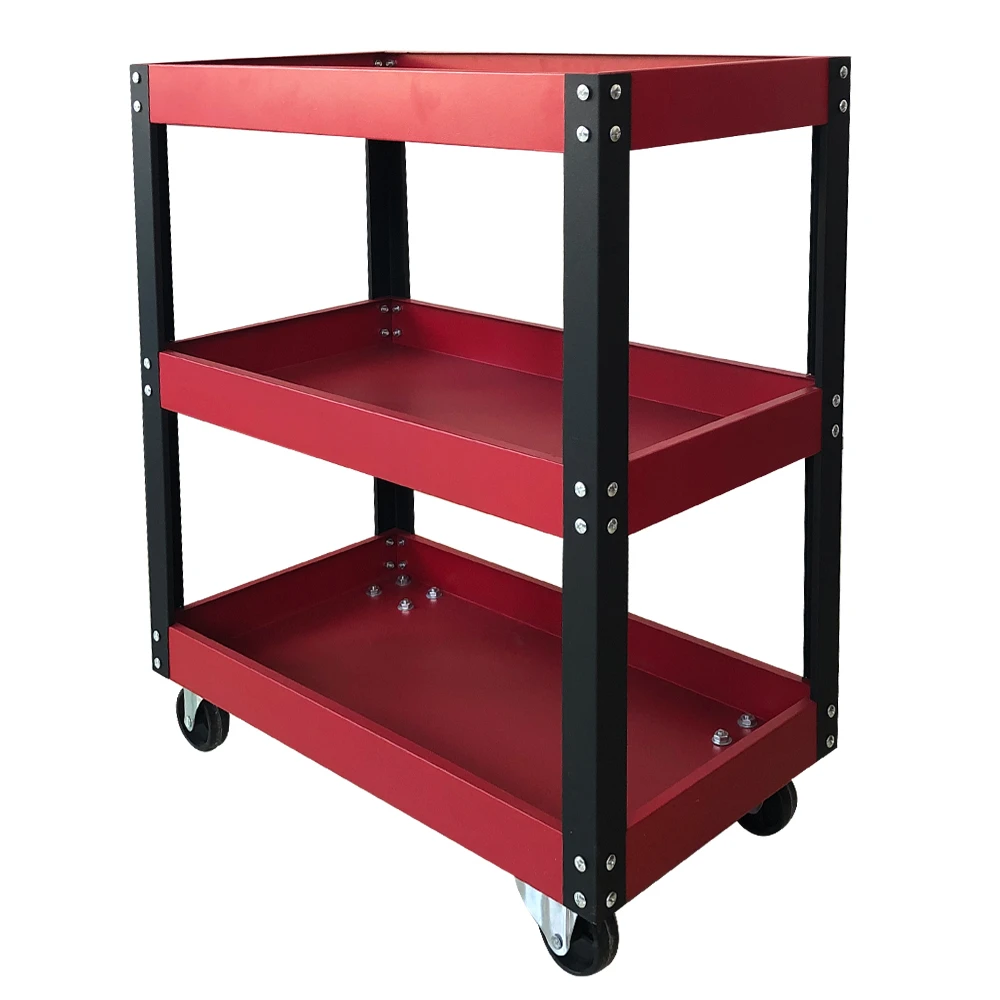
Auto Repair Tool Cart Roller Tools Box Set Mechanic Professional Cabinet for Workshop Garage Serving
-
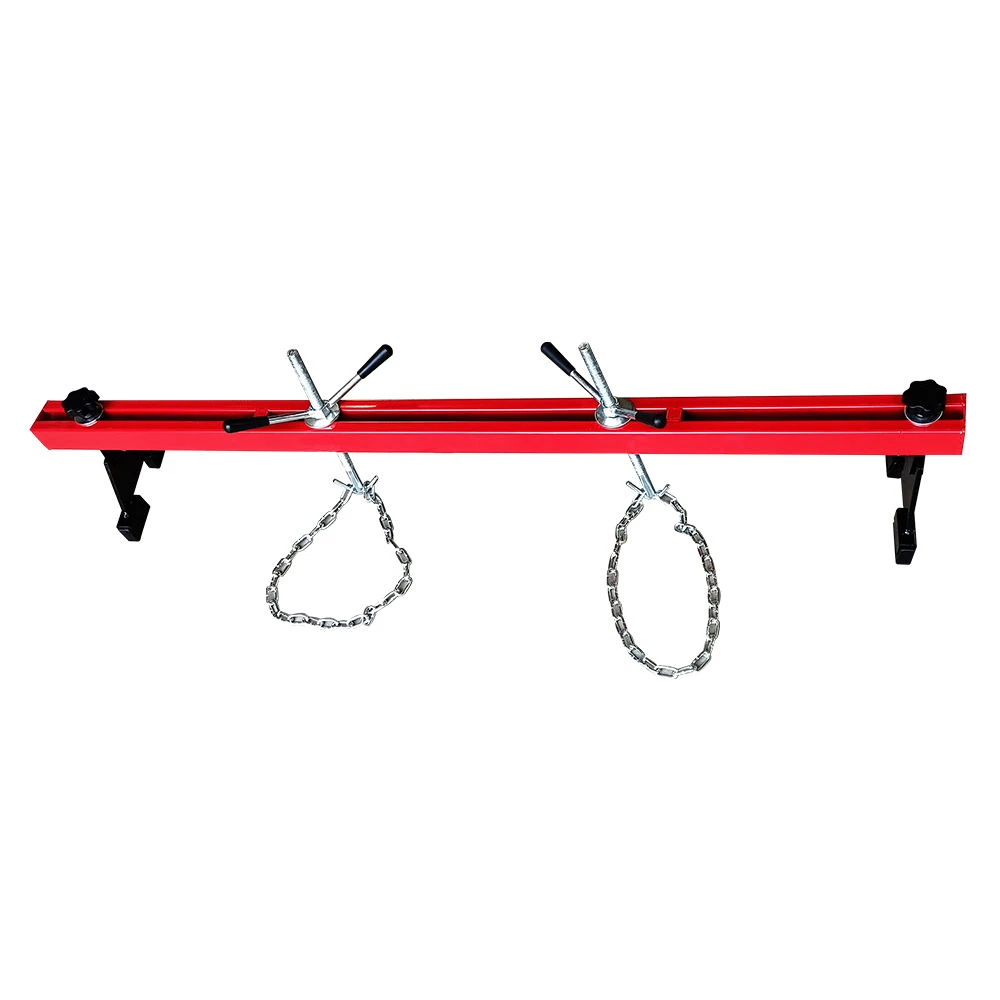
Oem Engine Support Bar 1100 Lbs Capacity Transverse Bar Engine Hoist 2 Point Lift Holder Hoist Dual Hooks Engine Bar
-
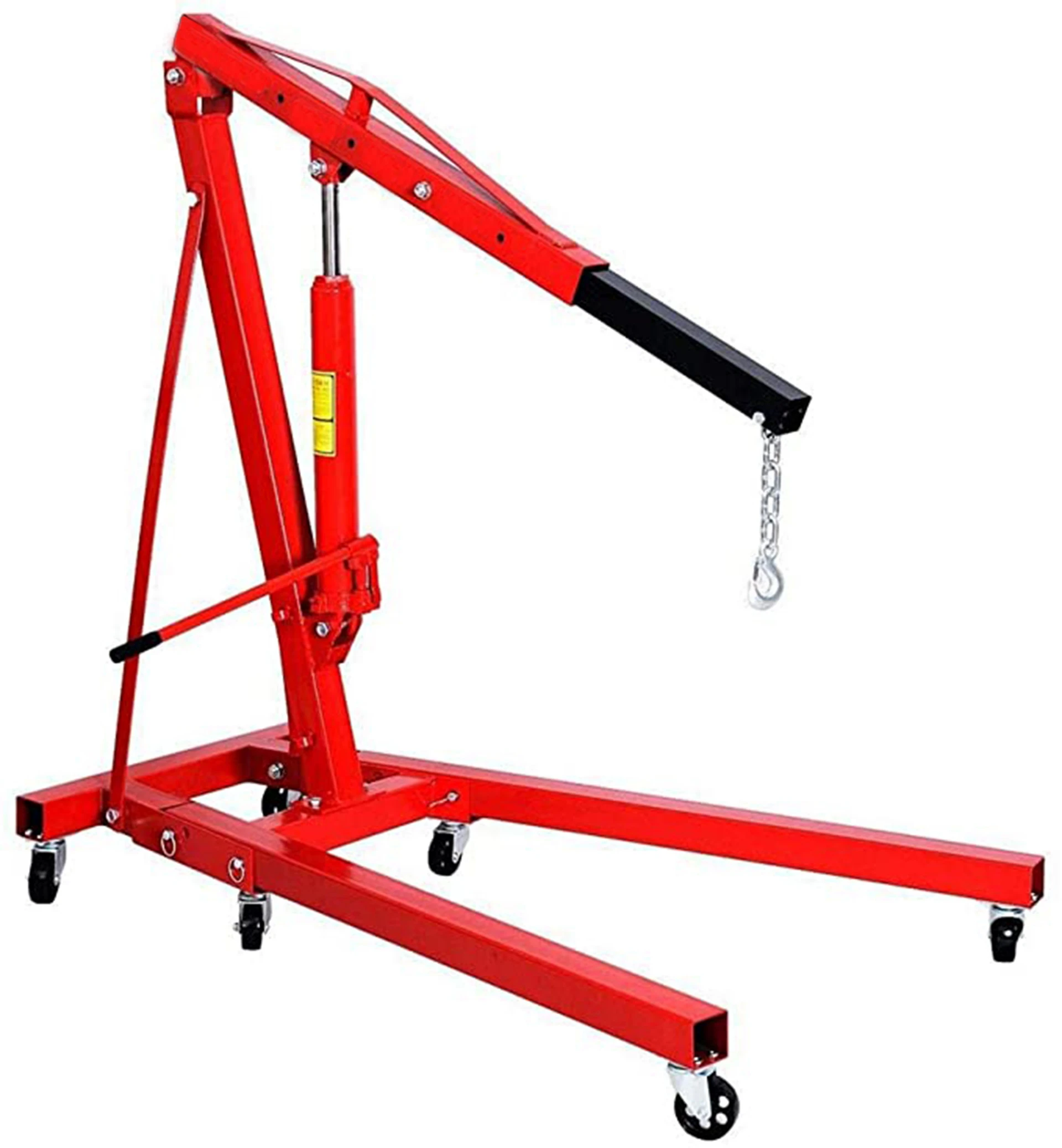
2 Ton Folding Shop Crane Lifting Machine Mini Truck Hydraulic Jack Engine Crane Folding Crane
-
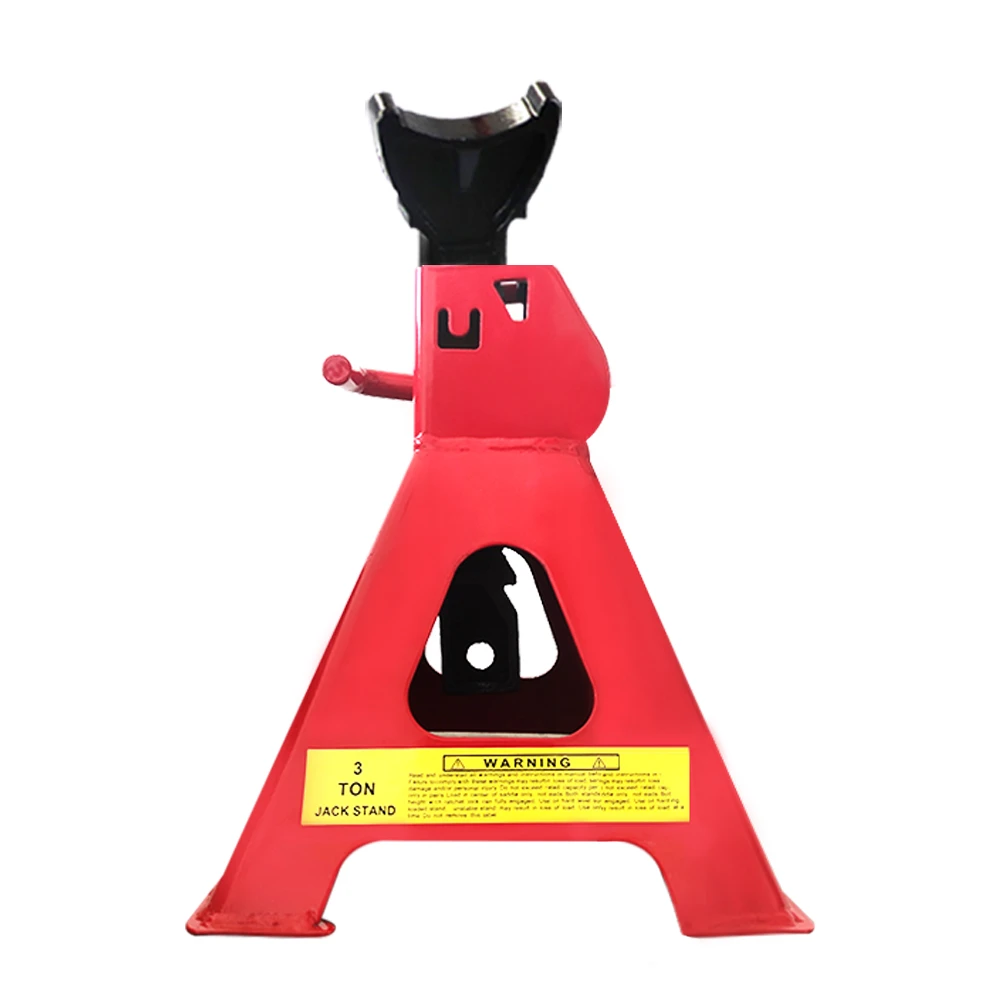
Heavy Duty Vehicle Support Car Jack Stand 3T 6T Adjustable Mobile Jack Stand
-
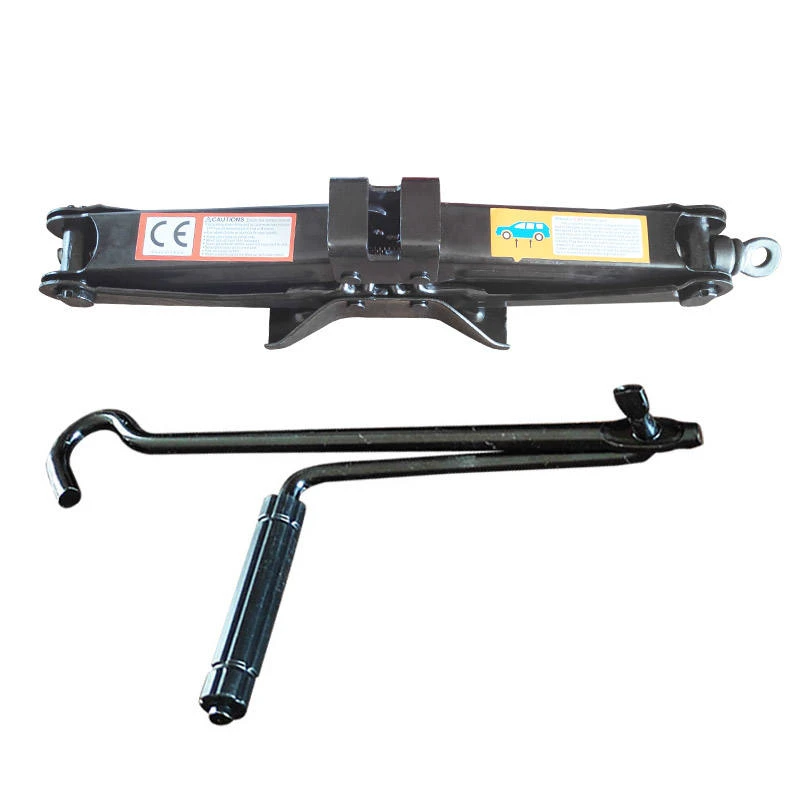
Car Lift Scissor Jack Steel Scissor Jacks Car Jack Portable
-
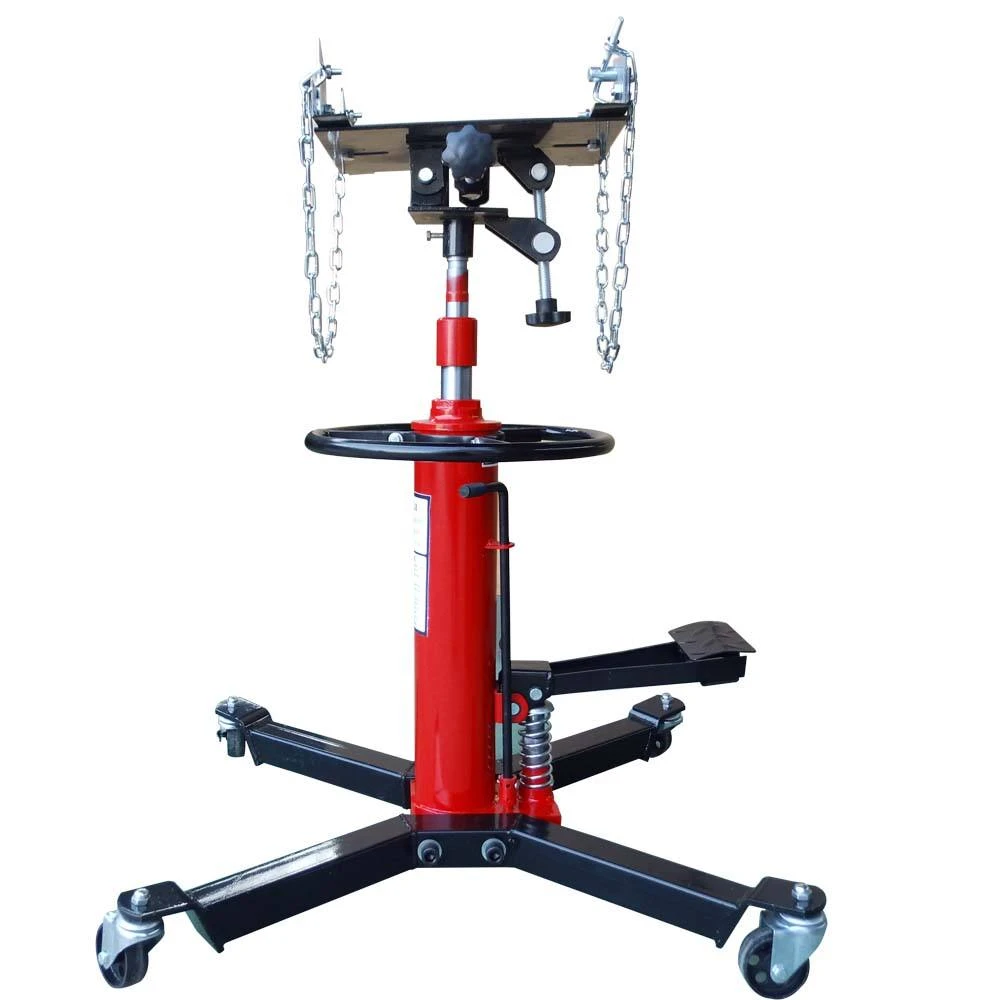
0.6T Professional Hydraulic Telescopic Transmission Jack Garage Equipment With CE For Car Engine Repair
Latest News
-
OEM Engine Support Bar 1100 Lbs | Longge Auto Tools
NewsMar.15,2026 -
Maximize Efficiency with a Robust 10 Drawer Tool Trolley for Your Workshop
NewsFeb.24,2026 -
Maximize Workshop Efficiency with a Robust 5 Drawer Rolling Tool Cabinet
NewsFeb.11,2026 -
Maximize Workshop Efficiency with the Robust 48 Tool Cabinet
NewsJan.30,2026 -
Comprehensive Guide to the 3 Ton Folding Engine Hoist for Automotive Lifting
NewsJan.28,2026 -
Comprehensive Guide to the Versatile 2 Ton Shop Crane for Workshop Use
NewsJan.27,2026 -
Maximize Engine Repair Efficiency with a 2 Ton Hydraulic Engine Hoist
NewsJan.27,2026
 English
  Arabic
  Bengali
  China
China  French
  German
  Hausa
Hausa  Indonesian
  Italian
  Japanese
  Javanese
  Malay
Malay  Persian
  Portuguese
  Punjabi
  Russian
  Spanish
  Swahili
  Telugu
  Vietnamese