Shop Floor Press - Heavy Duty Hydraulic Workshop Presses
The Indispensable Role of the Shop Floor Press in Modern Manufacturing
In the intricate landscape of modern industrial operations, the efficiency and precision of workshop machinery are paramount. Among the foundational equipment, the shop floor press stands out as an indispensable tool, serving a myriad of critical functions from assembly and disassembly to forming and straightening. These robust machines, often in the form of a hydraulic workshop press, provide the controlled force essential for a wide range of tasks, ensuring operational integrity and productivity across diverse sectors. Understanding their design, application, and advantages is crucial for B2B decision-makers aiming to optimize their operational capabilities.
The demand for reliable and efficient pressing solutions continues to grow, driven by advancements in material science and the need for higher precision in component manufacturing. Whether it's a shop bearing press for intricate component work or a heavy-duty hydraulic press machine for large-scale operations, the core principle remains the same: delivering immense, controlled force safely and effectively.
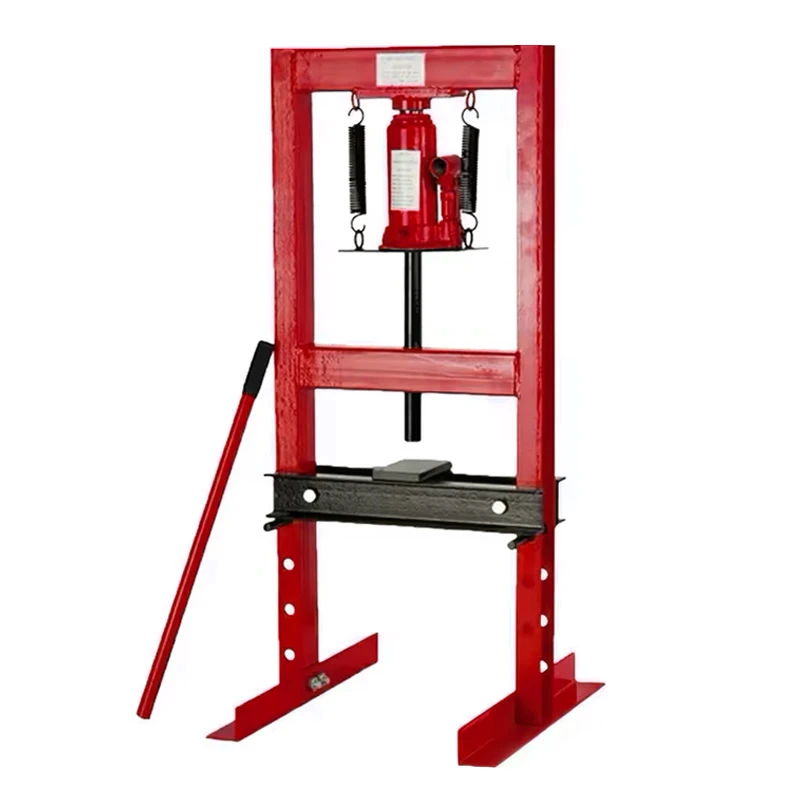
The Manufacturing Process of a Shop Floor Press
The production of a high-quality shop floor press involves a meticulous multi-stage process, ensuring durability, precision, and safety. Each stage is critical, from material selection to final testing, adhering to stringent international standards like ISO 9001 for quality management and ANSI B11.2 for hydraulic press safety.
Process Flow Overview:
- Design and Engineering: Initial conceptualization involves CAD software to design the H-frame structure, hydraulic cylinder, pump system, and control mechanisms. Material stress analysis is performed to ensure the frame can withstand rated capacity with a significant safety margin.
- Material Procurement: High-strength structural steel (e.g., Q235, Q345) is sourced for the frame, often through forging or hot rolling to achieve superior mechanical properties. Hydraulic components (cylinders, pumps, valves) are typically cast from high-grade alloys or machined from solid billets, ensuring resilience against high pressures and wear.
- Frame Fabrication: Steel plates are cut using precision laser or plasma cutting machines. These components are then precisely welded using automated or semi-automated processes, followed by stress-relief annealing to prevent cracking and enhance structural integrity. CNC machining may be used for critical mounting points to ensure accurate alignment.
- Hydraulic System Assembly: The hydraulic cylinder, piston, and seals are manufactured and assembled in a clean environment to prevent contamination. The hydraulic pump, reservoir, control valves, and pressure gauges are then integrated, with all connections meticulously inspected for leaks and proper fluid flow.
- Electrical and Control Integration: For automated or semi-automated models, electrical wiring, motor controls, and safety interlocks are installed. A control panel, potentially including a PLC for advanced models, is integrated for operational control and monitoring.
- Finishing and Coating: The assembled frame undergoes surface preparation, including sandblasting or chemical cleaning, before being coated with durable, corrosion-resistant industrial paint. This ensures a long service life, particularly in demanding industrial environments such as petrochemical and metallurgy, where exposure to chemicals or moisture is common.
- Testing and Quality Assurance: Every shop floor press undergoes rigorous testing. This includes hydrostatic testing of the hydraulic system, load testing to exceed rated capacity (typically 125% of nominal load), and functional testing of all controls and safety features. Adherence to CE standards for European markets and specific national safety regulations is verified. Service life targets are often set for tens of thousands of cycles under full load, supported by material fatigue testing.
This structured approach not only guarantees a product of superior quality but also ensures advantageous features in typical application scenarios, such as energy saving through optimized hydraulic power units and enhanced corrosion resistance due to advanced coatings.
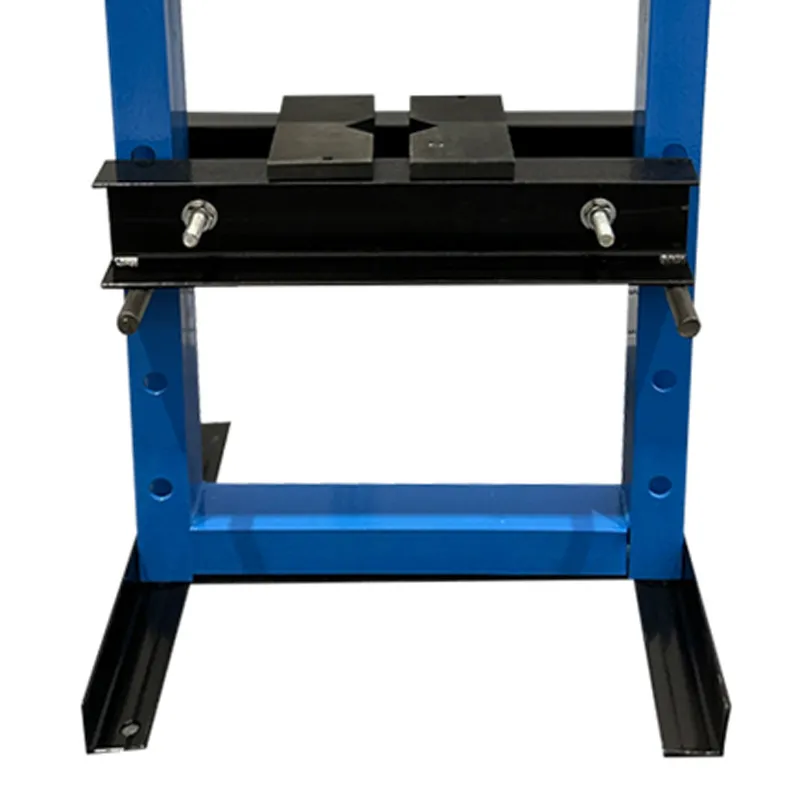
Technical Specifications: Manual Press Hand Type 6tons Hydraulic Shop Press H Frame Hydraulic Press
The 6-ton H-frame shop floor press is engineered for precision and reliability, making it an ideal choice for a wide array of workshop tasks. Below are key technical parameters that highlight its robust design and operational capabilities.
| Parameter | Value/Description |
|---|---|
| Product Name | Manual Press Hand Type 6tons Hydraulic Shop Press H Frame Hydraulic Press |
| Model | 6T Manual H-Frame Press |
| Nominal Capacity | 6 Tons (5,443 kg) |
| Operating Type | Manual Hand Pump |
| Frame Type | H-Frame Heavy Duty Steel |
| Working Range (Height) | 0 - 300 mm (approx. 12 inches) |
| Ram Stroke | Up to 125 mm (approx. 5 inches) |
| Working Width | Max 320 mm (approx. 12.5 inches) |
| Overall Dimensions (L x W x H) | 500 x 400 x 910 mm (approx. 19.7 x 15.7 x 35.8 inches) |
| Net Weight | Approx. 40 kg (88 lbs) |
| Included Accessories | Press plates (2 pcs), Operating Handle |
| Safety Features | Overload protection (via relief valve), Stable H-frame base |
The compact design of this hydraulic workshop press ensures it fits effectively into diverse workshop layouts, providing significant pressing capability without requiring excessive floor space. The manual pump provides fine control over the applied force, crucial for delicate operations.
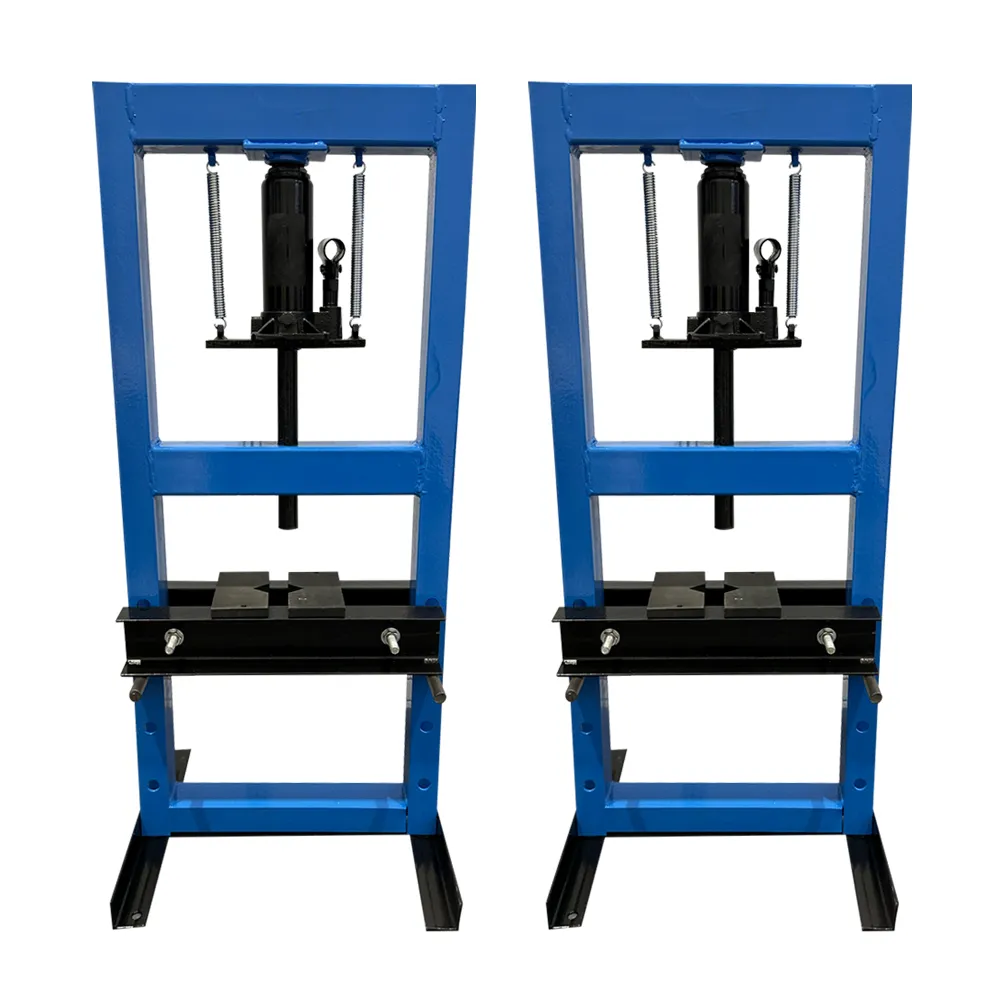
Application Scenarios and Versatility
A shop floor press is a remarkably versatile piece of equipment, finding its utility across a broad spectrum of industries and applications. Its ability to apply significant, controlled force makes it indispensable for both routine maintenance and specialized manufacturing tasks.
Key Application Areas:
- Automotive and Heavy Equipment Repair: Essential for pressing out and installing bearings, bushings, universal joints, gears, and ball joints. It is also used for straightening bent components like axle shafts and frame elements, making it a staple in any auto repair shop or heavy machinery service center.
- Fabrication and Metalworking: Used for bending, straightening, and forming metal components. From pressing sheets into specific shapes to flattening warped parts, its controlled force is crucial for achieving precise dimensions.
- Tool and Die Shops: Pressing inserts into dies, assembling tooling components, and performing test presses are common tasks. The precision of a shop bearing press ensures that intricate molds and dies are perfectly assembled.
- Maintenance and Overhaul: Across industries like petrochemicals, metallurgy, and mining, presses are used for disassembling worn machinery components and reassembling them with new parts. This includes pressing shafts into rotors, seating heavy bushings, or removing seized parts.
- Educational Institutions and Vocational Training: Provides hands-on experience for students learning mechanical engineering, automotive repair, and fabrication techniques.
- General Industrial Assembly: Used for force-fitting components, securing fasteners, and various assembly operations where high clamping force is required without heat or welding.
Typical Scenarios:
- Removing a stubborn bearing from an industrial motor shaft.
- Straightening a slightly bent hydraulic cylinder rod to restore functionality.
- Pressing a new gear onto a transmission input shaft with precise alignment.
- Forming small metal brackets for custom machinery fabrication.
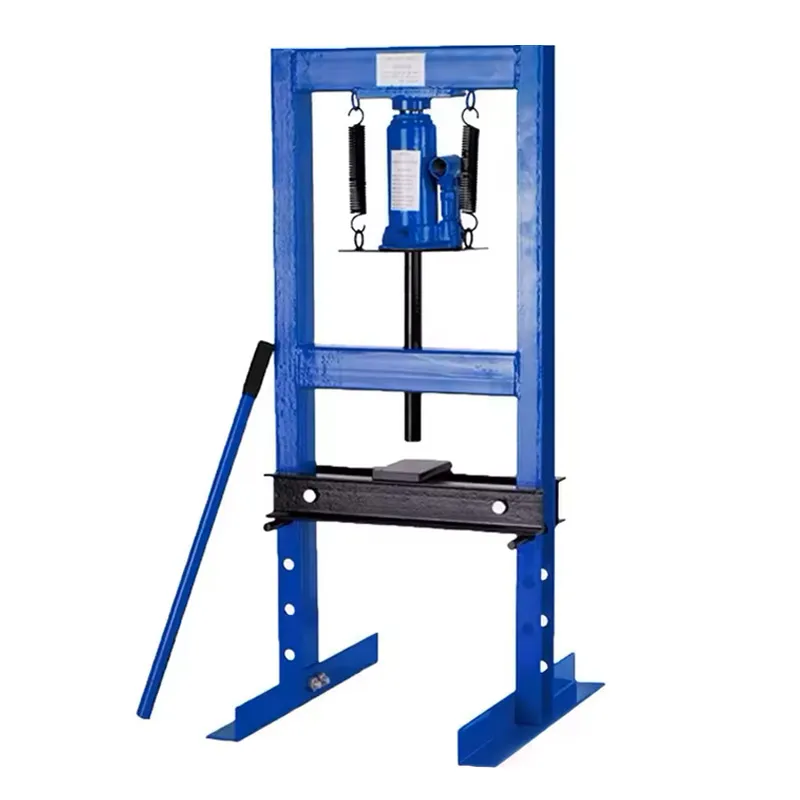
Technical Advantages of a Quality Shop Floor Press
Investing in a high-quality shop press machine yields significant advantages in terms of operational efficiency, safety, and longevity. These benefits directly contribute to reduced operating costs and improved output quality.
- Precision Control: Hydraulic systems offer exceptionally fine control over the applied force and ram speed. This allows operators to perform delicate tasks without damaging components, a crucial advantage when working with expensive or sensitive parts.
- High Force Output: Even compact models like the 6-ton unit can generate substantial force, far exceeding what manual methods can achieve. This makes quick work of pressing tasks that would otherwise be arduous, time-consuming, or impossible.
- Enhanced Safety: Modern hydraulic presses incorporate safety features such as overload protection valves, robust H-frames designed for stability, and ergonomic controls. This minimizes the risk of accidents and component failure, protecting both personnel and valuable equipment.
- Durability and Longevity: Constructed from heavy-duty steel and featuring high-grade hydraulic components, these presses are built to withstand continuous, rigorous use in demanding industrial environments. Proper maintenance ensures decades of reliable service.
- Versatility: With a range of accessories like press plates and mandrels, a single hydraulic workshop press can perform numerous tasks, from pressing bearings to straightening shafts, thereby reducing the need for multiple specialized tools.
- Cost-Effectiveness: By enabling in-house repairs and precise component assembly, a press reduces reliance on external services, saving significant costs over time. Its robust build also translates to lower maintenance and replacement expenses.
- Energy Efficiency (for modern systems): While traditional manual presses are inherently energy-independent, larger electric-powered hydraulic presses are increasingly designed with energy-efficient pumps and control systems, reducing operational power consumption and environmental impact.
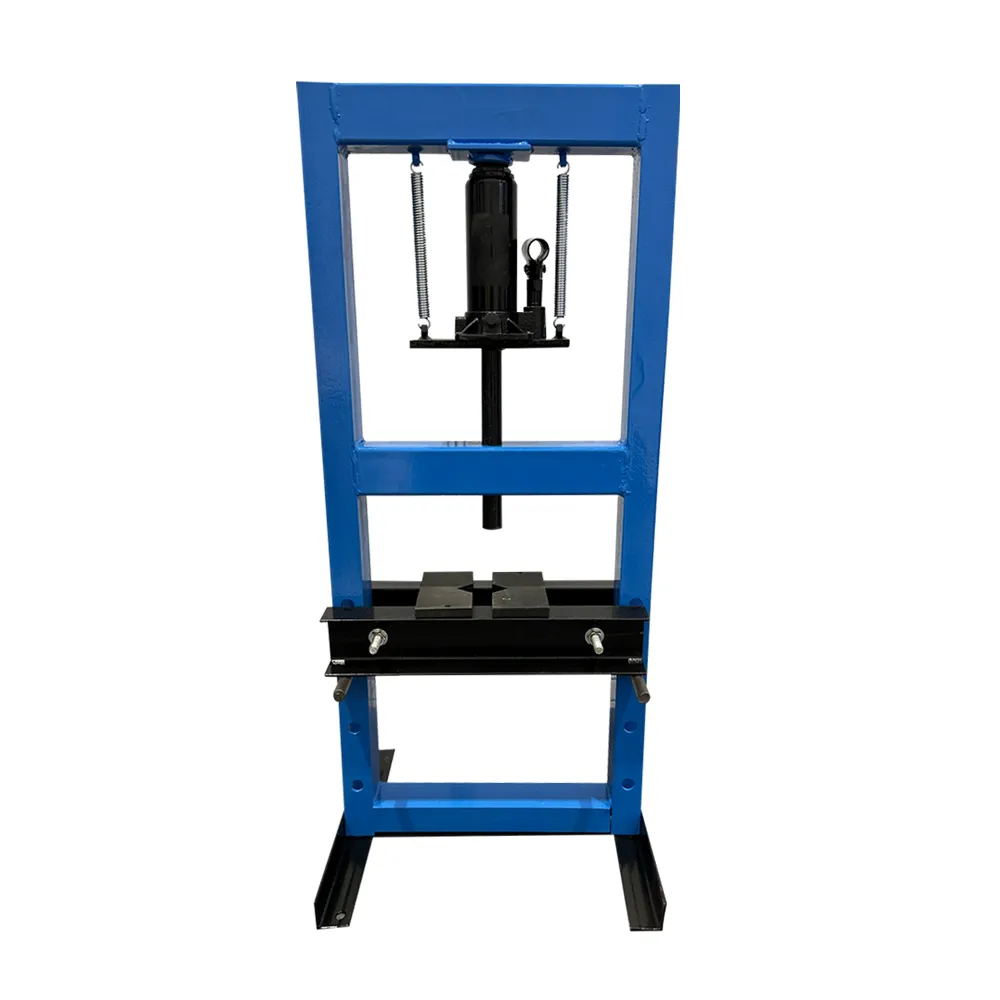
Vendor Comparison: Choosing the Right Hydraulic Press Machine
When looking to buy a hydraulic press machine, understanding the landscape of available options and differentiating factors between vendors is crucial. The market offers a range from basic manual models to sophisticated automated systems. Here, we compare key attributes to guide procurement decisions.
| Feature | Manual 6-ton Shop Press (e.g., L&G Autotool) | Standard Manual Workshop Press (Generic) | Advanced Electric Hydraulic Press (Automated) |
|---|---|---|---|
| Capacity Range | 6 Tons (Focused on lighter tasks) | 10-50 Tons (General workshop use) | 50-500+ Tons (Heavy industrial applications) |
| Operation Method | Hand Pump (Manual, highly controlled) | Hand Pump or Foot Pedal (Manual) | Electric Motor Pump (Semi-auto/Auto via PLC) |
| Precision & Repeatability | High (Operator dependent) | Moderate to High (Operator dependent) | Very High (Programmable, consistent) |
| Footprint | Compact (Ideal for small shops) | Medium to Large | Large (Often requiring dedicated space) |
| Cost (Initial Investment) | Low | Medium | High |
| Ideal Applications | Light pressing, bearing work, small component assembly | General repairs, straightening, fabrication | Mass production, complex forming, high-precision assembly |
| Energy Consumption | Zero (Manual) | Zero (Manual) to Low (Air/Electric assist) | Moderate to High (Electric power) |
| Certifications & Standards | CE, ISO 9001 (Manufacturer-specific) | Varies (May lack advanced certs) | CE, ANSI, OSHA, ISO (Typically comprehensive) |
While advanced electric presses offer unmatched automation and high tonnage, a manual hydraulic workshop press like the 6-ton unit provides superior value for operations requiring precise, low-to-medium force applications without the complexity or energy consumption of automated systems. Companies like L&G Autotool specialize in delivering robust, certified equipment tailored for practical workshop needs, focusing on durability and ease of use.
Customized Solutions
Recognizing that no two industrial operations are identical, leading manufacturers of shop floor press machinery offer customized solutions to meet specific client requirements. While standard models cater to a broad range of applications, particular operational demands often necessitate bespoke modifications.
- Application-Specific Tooling: Custom press plates, mandrels, and fixtures can be designed to perfectly accommodate unique component geometries, ensuring optimal pressing efficiency and preventing damage.
- Adjustable Work Heights and Frames: For operations with varying component sizes, adjustable work heights or even custom frame dimensions can be provided, expanding the versatility of the press.
- Pressure Gauge Options: While standard presses include a basic pressure gauge, highly precise applications may benefit from digital gauges with finer resolution or advanced data logging capabilities.
- Safety Enhancements: Depending on local regulations or internal safety protocols, additional safety features such as protective guarding, light curtains, or two-hand control systems can be integrated, particularly for electric models.
- Material and Coating Customization: For corrosive environments (e.g., in petrochemical or water supply & drainage industries), specialized coatings or stainless steel components can be specified to enhance corrosion resistance and extend service life.
- Portability Solutions: While the 6-ton press is relatively portable, larger manual presses can be fitted with heavy-duty casters for easier relocation within a workshop.
Companies like L&G Autotool, with years of experience in the hydraulic equipment sector, engage in thorough consultations to understand client needs, leveraging their engineering expertise to deliver tailor-made, high-performance solutions that directly address operational challenges and optimize workflows.
Application Case Studies
Real-world application demonstrates the tangible benefits of a reliable shop floor press. Here are examples showcasing its impact in various industrial settings:
Case Study 1: Automotive Service Center – Bearing Replacement
Client: A medium-sized independent automotive repair shop specializing in European vehicles.
Challenge: Frequent replacement of wheel bearings and suspension bushings, which often require significant force for removal and installation. Traditional hammering methods were time-consuming, prone to damaging components, and unsafe.
Solution: Implementation of a 6-ton H-frame hydraulic workshop press. The compact size allowed it to fit seamlessly into their existing workshop layout.
Outcome: The shop reported a 40% reduction in labor time for bearing-related jobs and a near-elimination of component damage. Technician safety improved dramatically, and the precise control allowed for perfect seating of new bearings, enhancing vehicle reliability. Customer feedback also highlighted faster service times.
Case Study 2: Small Scale Manufacturing – Prototyping and Assembly
Client: An engineering firm specializing in custom machinery prototypes and small-batch production.
Challenge: Assembling various press-fit components and straightening small metal parts for custom prototypes. Accuracy was paramount, and variable force application was needed for different materials and component tolerances.
Solution: Integrated a manual 6-ton shop press machine into their fabrication area, complemented by custom jigs and fixtures.
Outcome: The press provided the required flexibility and precision. Engineers could rapidly test assembly methods and straighten parts with confidence, accelerating the prototyping phase by an estimated 25%. The firm noted a significant improvement in the quality of their assembled components due to the controlled force application.
Ensuring Trust: Certifications, Warranty & Support
For B2B procurement, trust is built on verifiable standards, reliable after-sales support, and clear commitments. Manufacturers like L&G Autotool prioritize these aspects to provide peace of mind to their clients.
Authoritativeness through Certifications:
Our products, including the 6-ton shop floor press, adhere to rigorous international quality and safety standards:
- ISO 9001: Certified quality management system, ensuring consistent product quality and continuous improvement in manufacturing processes.
- CE Mark: Compliance with European health, safety, and environmental protection standards, affirming the product's suitability for sale within the European Economic Area.
- ANSI B11.2: While primarily for power presses, our design principles incorporate relevant safety guidelines for hydraulic presses to ensure operator protection.
- Over 20 years of experience in designing and manufacturing hydraulic tools, serving a global client base.
Lead Time & Fulfillment:
We understand the importance of timely delivery for operational continuity. For standard models like the 6-ton manual shop floor press, lead times typically range from 2 to 4 weeks, depending on order volume and current stock levels. Custom orders may require longer lead times, which are communicated transparently during the quotation phase. We partner with reliable logistics providers to ensure efficient and safe delivery worldwide.
Warranty Commitments:
All L&G Autotool hydraulic presses come with a 12-month limited warranty against manufacturing defects from the date of purchase. This warranty covers parts and labor for defects arising from normal use. Extended warranty options are available for specific products and project scales, providing additional protection for your investment.
Customer Support Information:
Our commitment extends beyond the sale. We offer comprehensive after-sales support, including:
- Technical Assistance: Dedicated support team available via phone and email to assist with operational queries, troubleshooting, and maintenance guidance.
- Spare Parts Availability: A readily available inventory of genuine spare parts ensures minimal downtime for critical repairs.
- Documentation: Comprehensive user manuals and technical diagrams are provided with each product.
Frequently Asked Questions (FAQ)
Q: What is the primary difference between a hydraulic workshop press and a arbor press?
A: A hydraulic workshop press uses hydraulic fluid and a pump to generate significant force, typically ranging from 6 to hundreds of tons. This allows for heavy-duty pressing, straightening, and bending tasks. An arbor press, on the other hand, is a mechanical press that uses a rack and pinion or lever system, offering much lower force (usually less than 5 tons) and is better suited for lighter tasks like pressing small bushings or riveting.
Q: How do I choose the correct tonnage for my shop floor press?
A: The required tonnage depends directly on the applications and materials you'll be working with. For general automotive repair and light industrial work (e.g., pressing bearings, bending small stock), a 6-ton to 20-ton press is often sufficient. For heavier tasks like straightening large shafts or pressing heavy-duty components, a 50-ton or higher capacity might be necessary. It's always advisable to choose a press with a slightly higher capacity than your maximum anticipated requirement to ensure safety and longevity.
Q: What maintenance is required for a hydraulic shop press machine?
A: Regular maintenance is crucial for optimal performance and safety. This includes checking hydraulic fluid levels and quality, inspecting for leaks, lubricating moving parts, tightening fasteners, and regularly inspecting the structural integrity of the frame. For manual presses, ensure the pump mechanism is free of debris and operates smoothly. Refer to the manufacturer's manual for specific maintenance schedules.
Q: Can the 6-ton manual shop floor press be used for straightening bent metal?
A: Yes, the 6-ton manual shop floor press is well-suited for straightening smaller diameter shafts, bars, and metal plates. Its controlled manual operation allows for precise force application, which is essential to gradually straighten material without over-bending or causing further damage. For larger or thicker materials, a higher tonnage press would be more appropriate.
Conclusion
The shop floor press remains a cornerstone of efficiency and capability in virtually any industrial or automotive workshop. From the foundational 6-ton manual H-frame models to highly automated industrial hydraulic presses, these machines provide the controlled force essential for critical tasks, significantly impacting productivity, precision, and safety. Manufacturers committed to quality, like L&G Autotool, ensure that their products not only meet rigorous technical specifications but also comply with international safety standards, offering robust warranties and comprehensive support. For B2B decision-makers, choosing the right hydraulic press machine means evaluating capacity, operational needs, long-term durability, and the reliability of the vendor's support structure. The continued evolution of these machines promises even greater efficiency and application versatility, solidifying their role as an indispensable asset in modern industry.
References
- ISO (International Organization for Standardization). (n.d.). ISO 9001: Quality management systems – Requirements. Retrieved from https://www.iso.org/iso-9001-quality-management.html
- ANSI (American National Standards Institute). (n.d.). ANSI B11.2: Hydraulic Power Presses - Safety Requirements for Construction, Care, and Use. Retrieved from https://www.ansi.org/ (search for B11.2)
- European Commission. (n.d.). CE marking. Retrieved from https://ec.europa.eu/growth/single-market/ce-marking_en
- Hydraulic Institute. (n.d.). HI standards for pumps and pumping systems. Retrieved from https://www.pumps.org/
- SAE International. (n.d.). J-Standards for Automotive Engineering. Retrieved from https://www.sae.org/standards/
Products categories
-
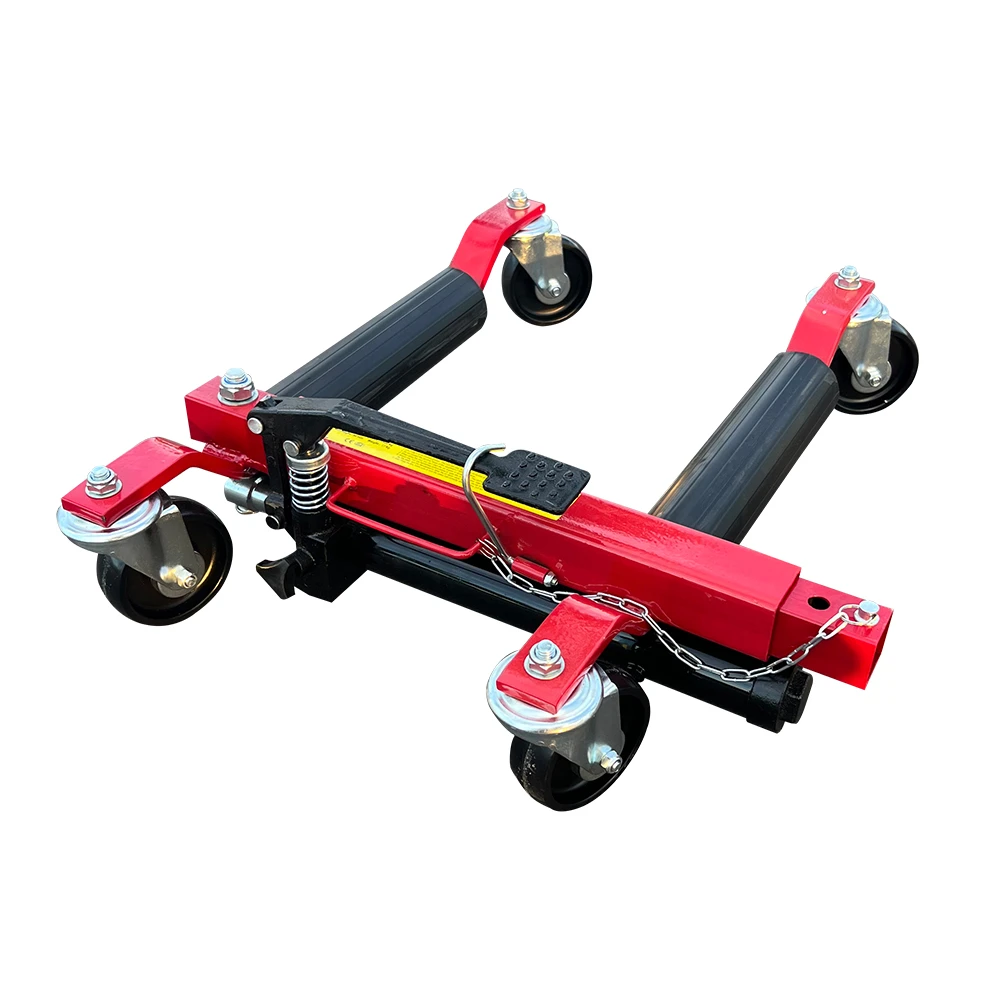
Car Jack Vehicle Mover Tow Dolly Universal Moving Tool Wheel Towing Trailer tools automatic car jack
-
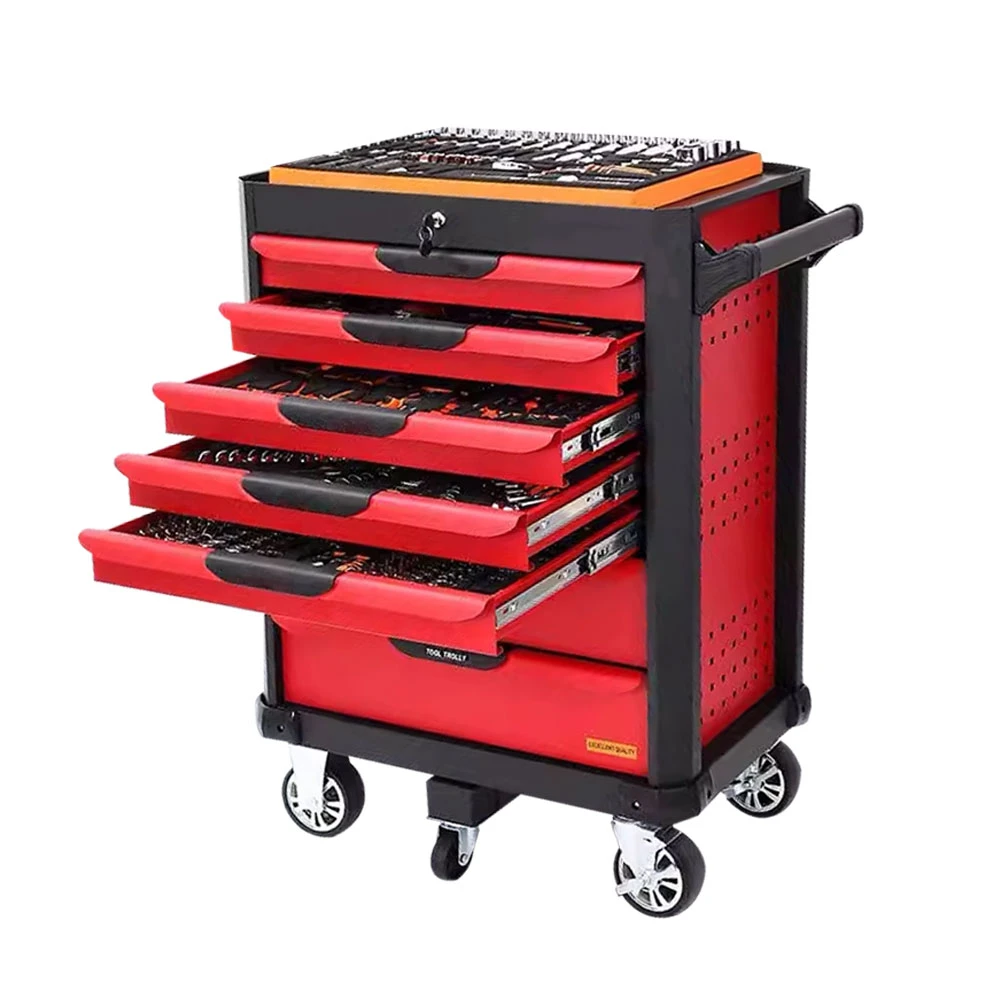
Professional All kind of Tools with Tool Cabinet, Workshop Trolley Cabinet
-
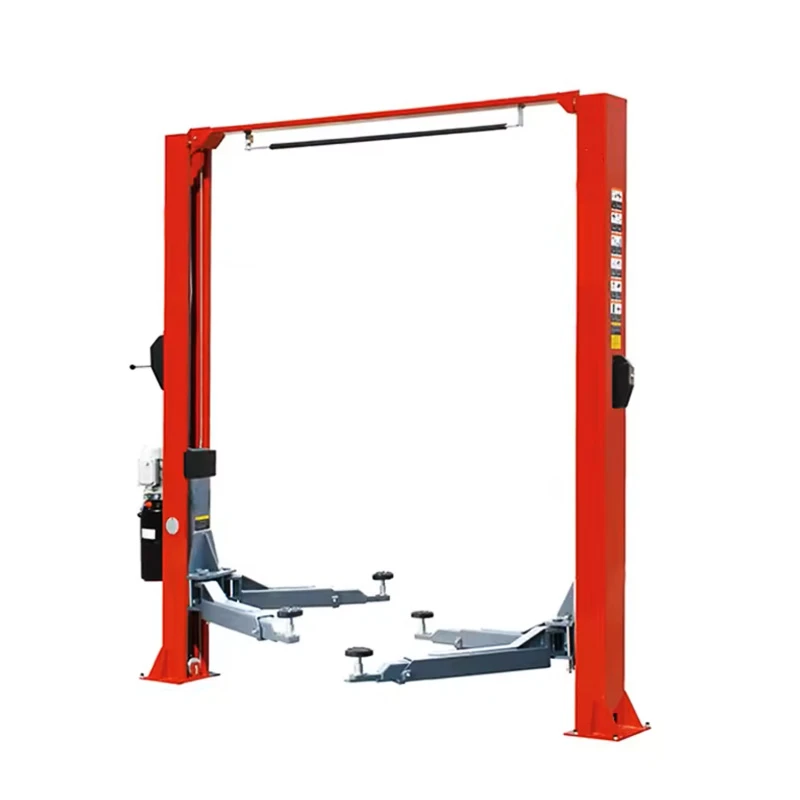
Electric Release Gantry Lifter 5t Two Post Hydraulic Used Truck Car Lifts For Sale
-
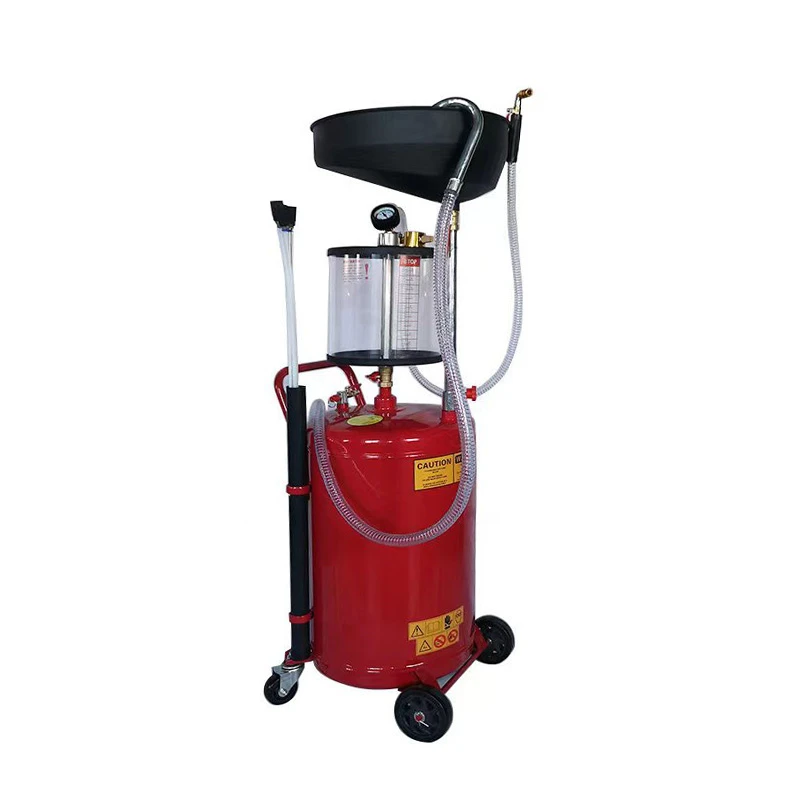
KJ-3197 Pneumatic Oil Extractor Waste Oil Changer Drainer with Lift Tank Auto Repair Tool
-
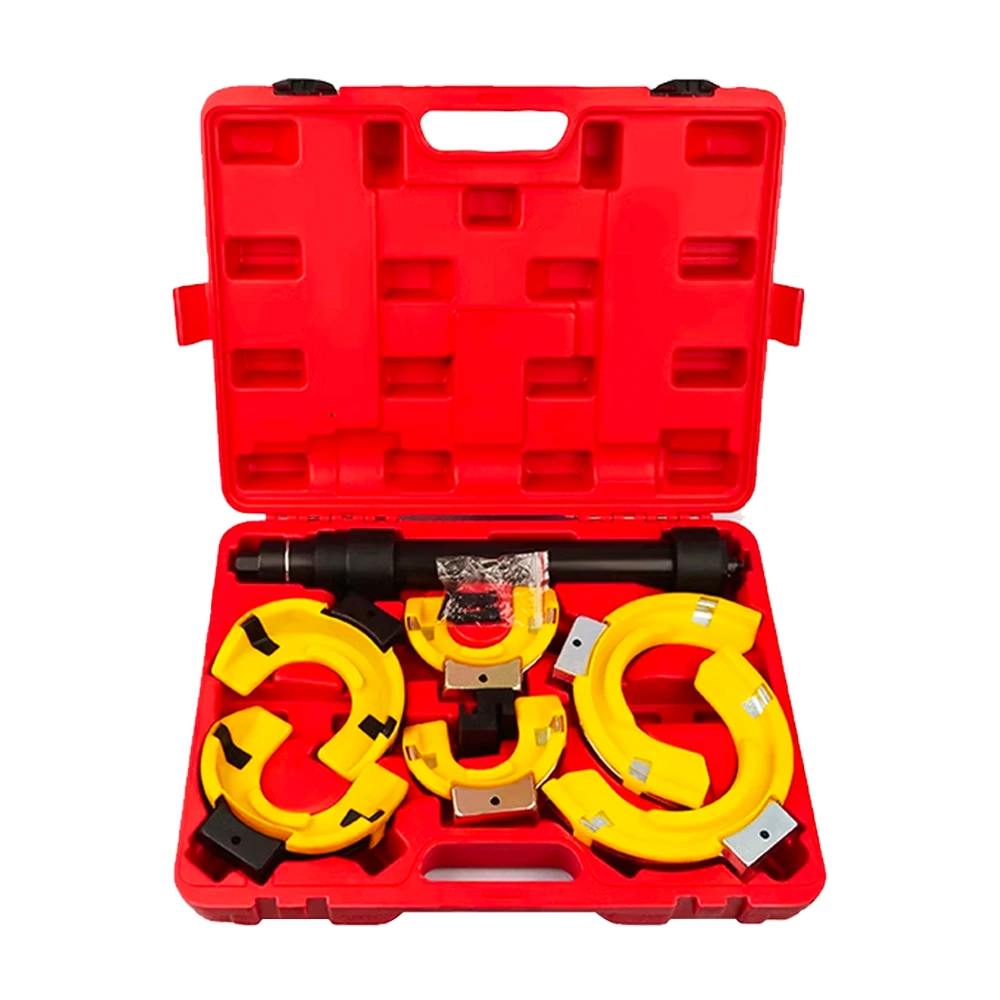
Powerful Spring Dumper Extractor Replaceable Shock Absorb Tools Strong Shock Absorber Spring Compressor Set
-
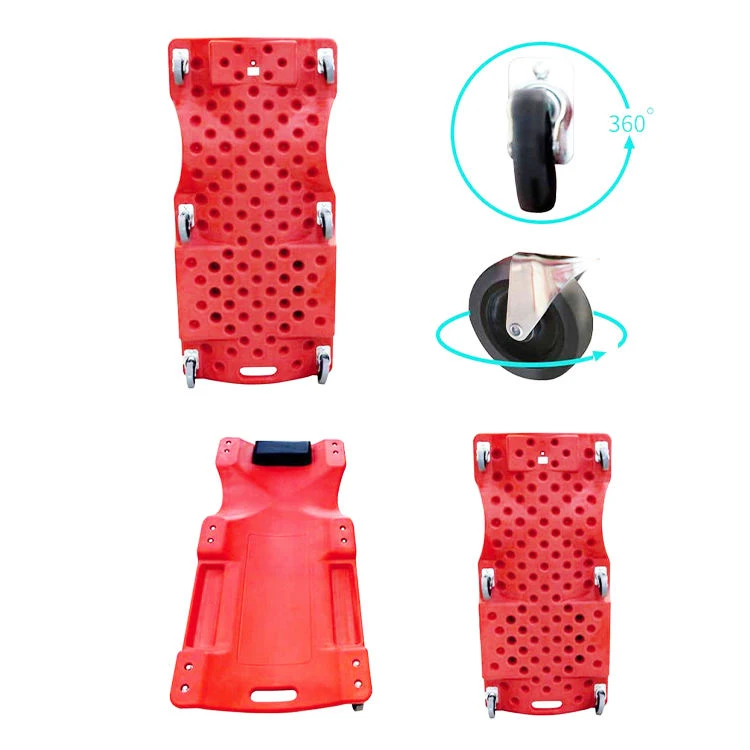
40 Inch 6 Wheel Plastic Workshop Garage Mechanics Tool Creeper Trolley Car Automotive Repair Mechanics Creeper
-
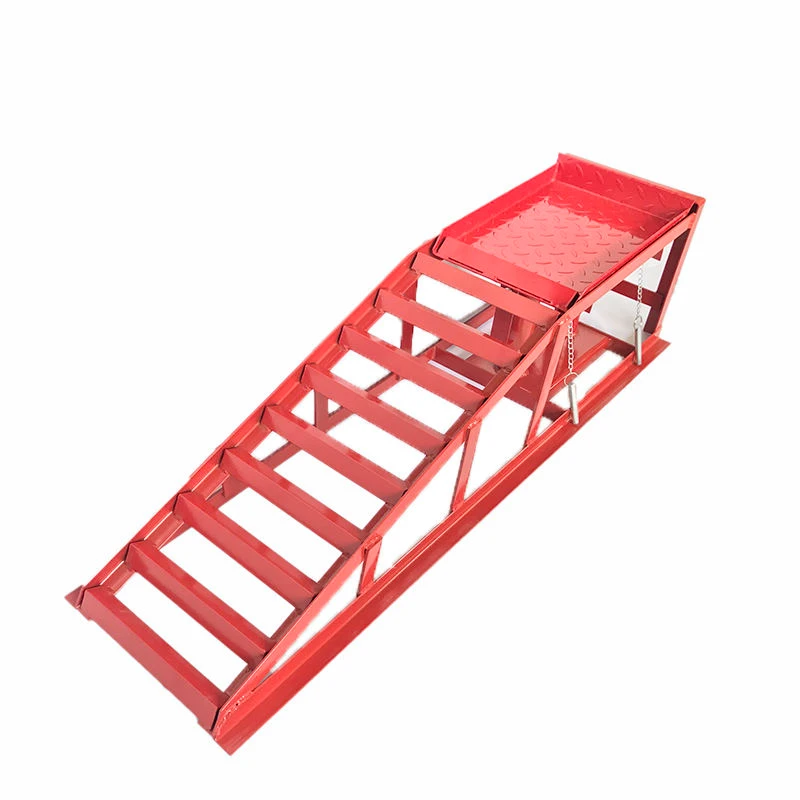
Plastic Car Ramp High Lift Auto Vehicle Car Ramp Portable Car Service Ramps
-
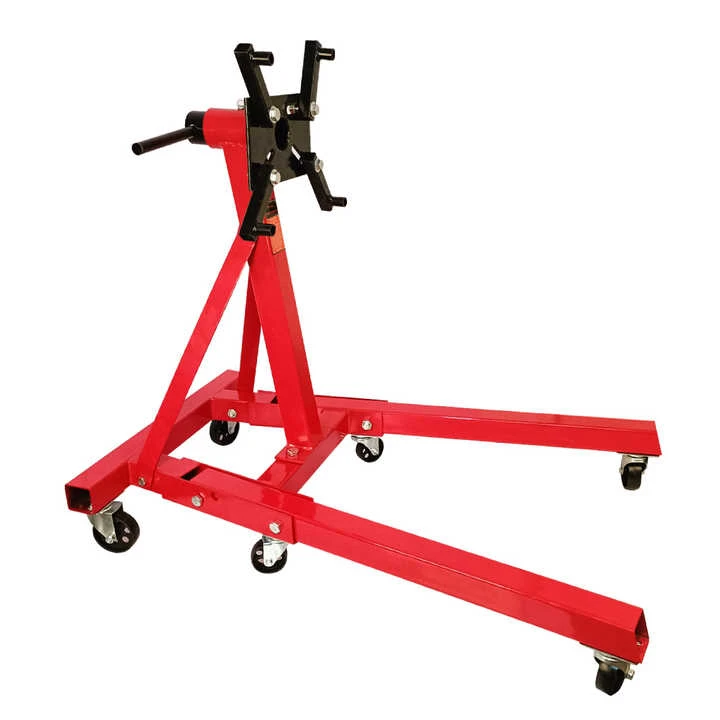
2000lb Car Engine Stand Gate Valve Machine Auto Tools Mechanical Transmission Jack With Stand Operation
-
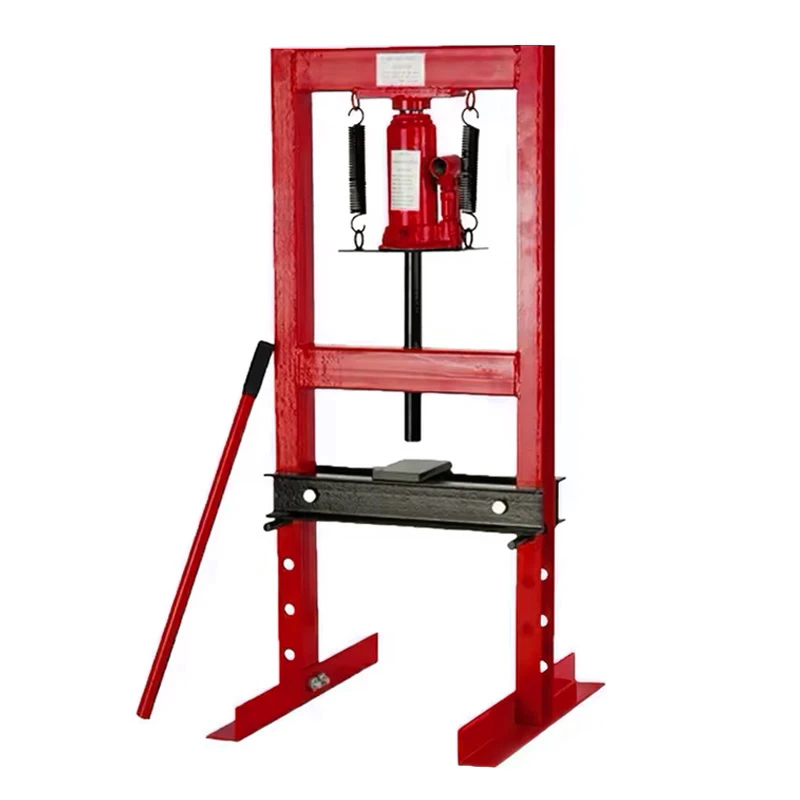
Manual Press Hand Type 6tons Hydraulic Shop Press H Frame Hydraulic Press
-
Easy-to-Use Manual Jack Lifter Construction Tools Drywall Hoist Lift Rolling Panel Drywall Rolling Lifter Panel
-
Auto Repair Tool Cart Roller Tools Box Set Mechanic Professional Cabinet for Workshop Garage Serving
-
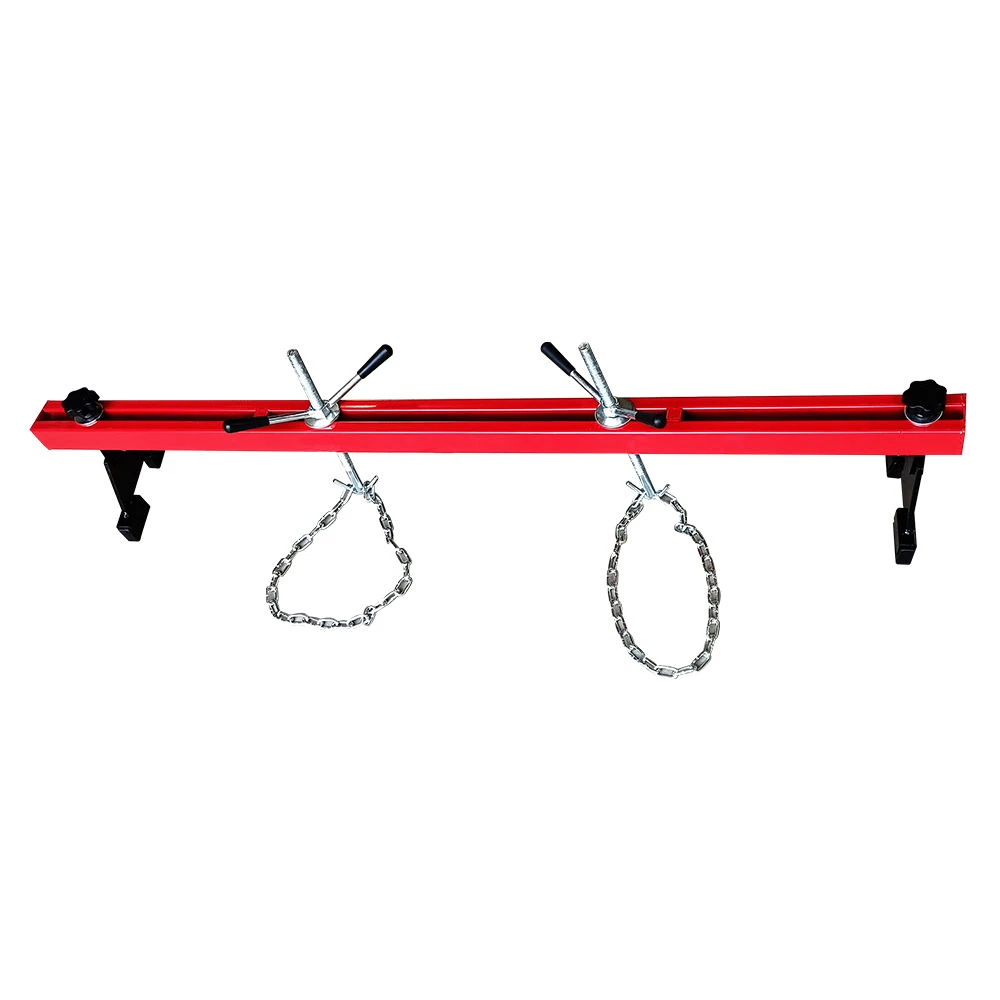
Oem Engine Support Bar 1100 Lbs Capacity Transverse Bar Engine Hoist 2 Point Lift Holder Hoist Dual Hooks Engine Bar
-
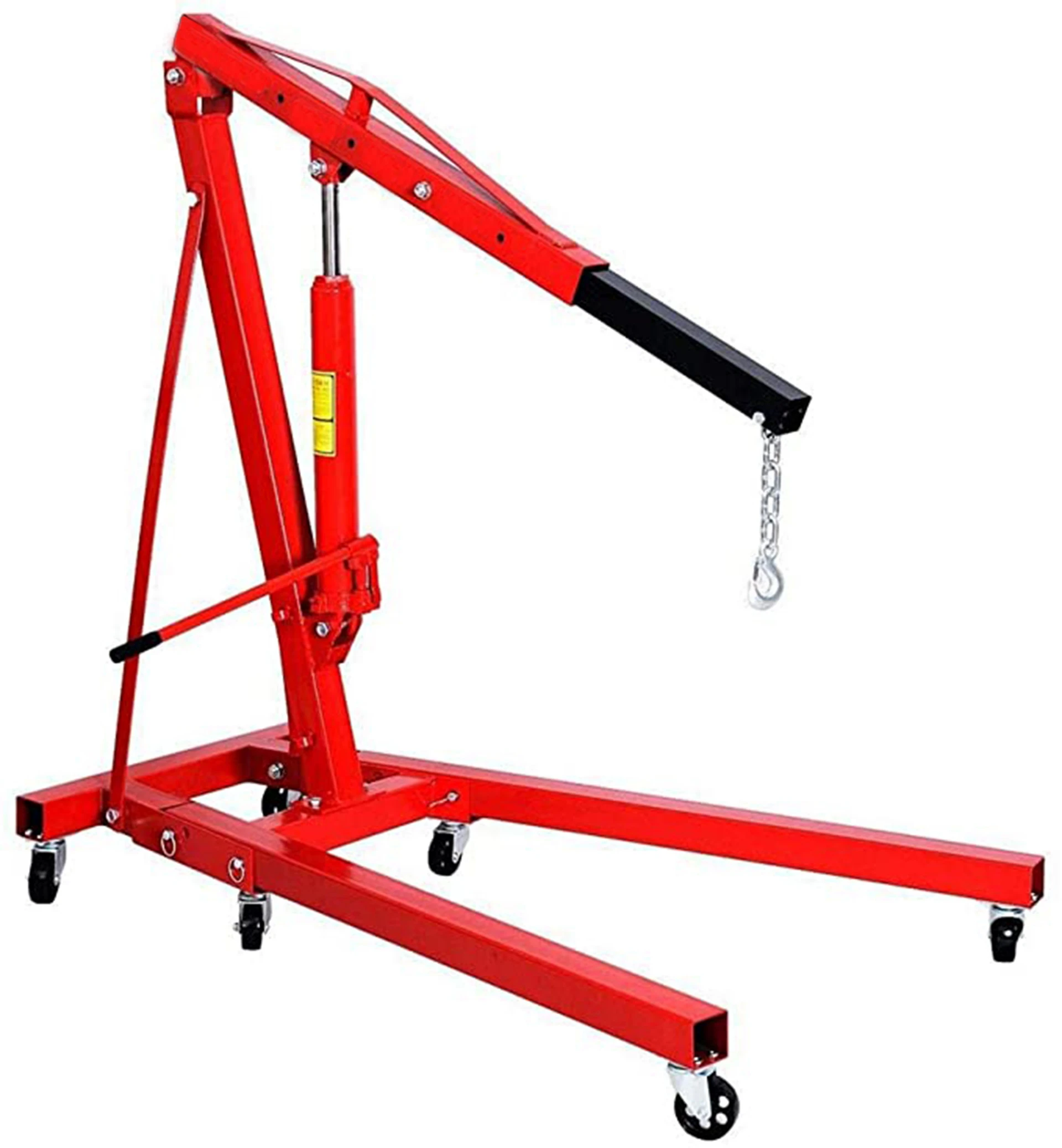
2 Ton Folding Shop Crane Lifting Machine Mini Truck Hydraulic Jack Engine Crane Folding Crane
-
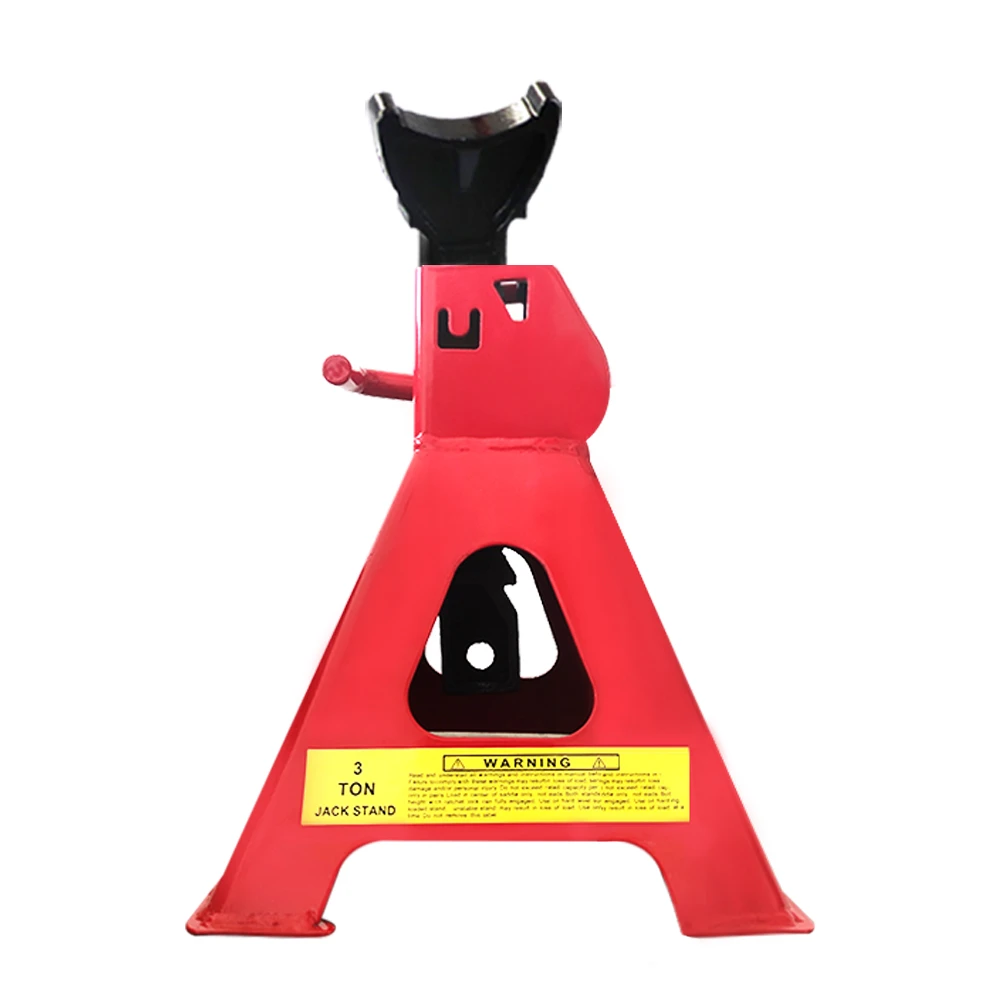
Heavy Duty Vehicle Support Car Jack Stand 3T 6T Adjustable Mobile Jack Stand
-
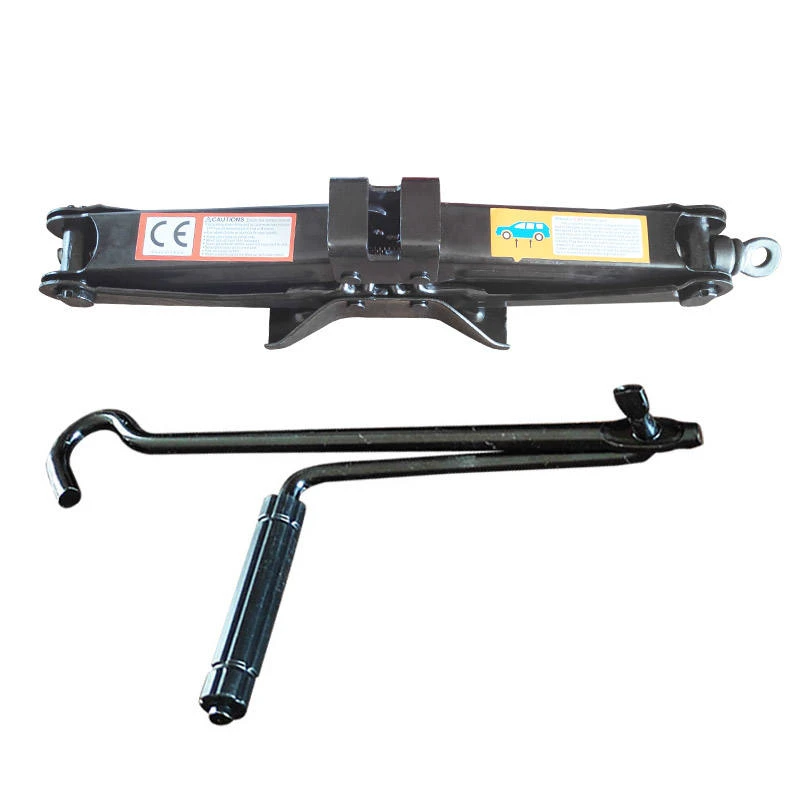
Car Lift Scissor Jack Steel Scissor Jacks Car Jack Portable
-
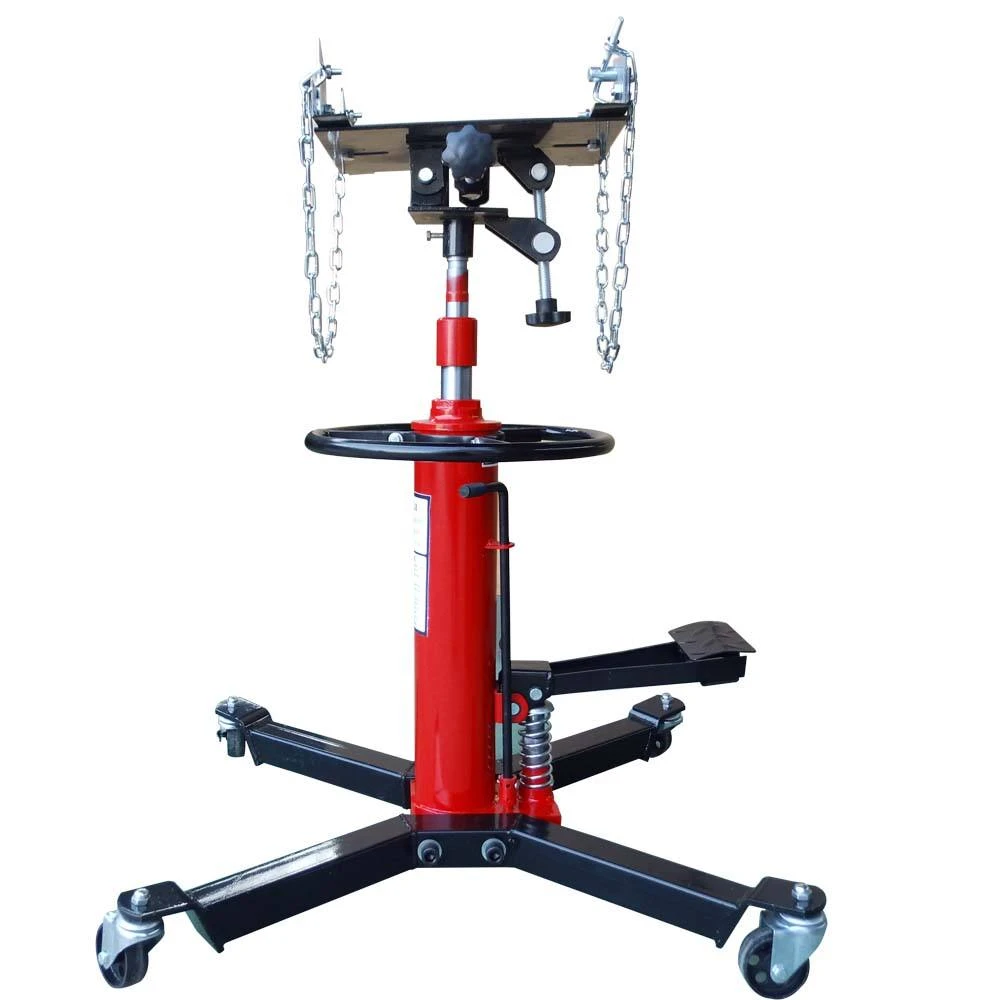
0.6T Professional Hydraulic Telescopic Transmission Jack Garage Equipment With CE For Car Engine Repair
Latest News
-
OEM Engine Support Bar 1100 Lbs | Longge Auto Tools
NewsMar.15,2026 -
Maximize Efficiency with a Robust 10 Drawer Tool Trolley for Your Workshop
NewsFeb.24,2026 -
Maximize Workshop Efficiency with a Robust 5 Drawer Rolling Tool Cabinet
NewsFeb.11,2026 -
Maximize Workshop Efficiency with the Robust 48 Tool Cabinet
NewsJan.30,2026 -
Comprehensive Guide to the 3 Ton Folding Engine Hoist for Automotive Lifting
NewsJan.28,2026 -
Comprehensive Guide to the Versatile 2 Ton Shop Crane for Workshop Use
NewsJan.27,2026 -
Maximize Engine Repair Efficiency with a 2 Ton Hydraulic Engine Hoist
NewsJan.27,2026
 English
  Arabic
  Bengali
  China
China  French
  German
  Hausa
Hausa  Indonesian
  Italian
  Japanese
  Javanese
  Malay
Malay  Persian
  Portuguese
  Punjabi
  Russian
  Spanish
  Swahili
  Telugu
  Vietnamese