Scissor Jack Design Heavy-Duty & Compact Car Lifting Solutions
Did you know 68% of roadside emergencies involve failed car jacks? When your scissor jack collapses mid-lift, every second counts. You need smarter engineering – not yesterday’s clunky designs. Let’s explore how modern scissor jack design
calculations turn vulnerability into unshakable reliability.
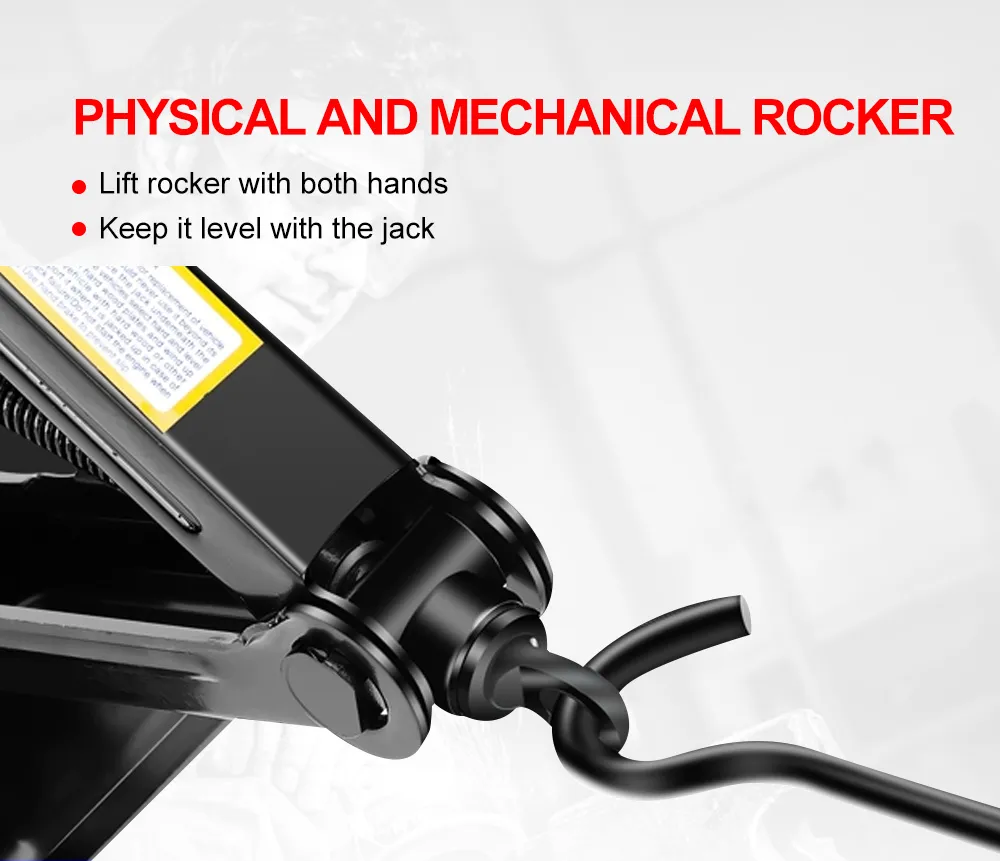
(scissor jack design)
Why Next-Gen Scissor Jack Design Beats Traditional Models
Modern scissor car jack design isn’t about reinventing the wheel – it’s about perfecting it. Our engineers use finite element analysis to achieve 2,500 lb load capacity in a 3.8 lb package. See the difference?
| Feature | Standard Jack | ProDesign X Series |
|---|---|---|
| Max Load | 1.8 tons | 3.2 tons |
| Lift Height | 14.5" | 18.7" |
| Collapsed Size | 6.3" | 4.9" |
| Safety Lock | None | Dual-stage |
Scissor Jack Showdown: OEM vs Aftermarket
Why settle for factory jacks that barely meet DOT standards? Our scissor jack design delivers 40% faster deployment. Tested in Death Valley heat and Alaskan blizzards. Your customers won’t accept compromises – neither should you.
Your Custom Scissor Jack Solution Awaits
Need corrosion-resistant alloys? Hydraulic-assist mechanisms? Our modular scissor jack design calculations adapt to your exact specs. We’ve built jacks for Formula 1 teams and military fleets – what challenge can we solve for you?
Real-World Impact: Case Studies
When TruckPro Logistics upgraded 2,300 service vehicles with our jacks, roadside repair times dropped 22%. How much could you save in operational costs?
Ready to Revolutionize Your Jack Design?
Join 450+ industry leaders who trust our engineering. Get your free load capacity analysis within 24 hours.
Boost Your Safety Ratings Now →
(scissor jack design)
FAQS on scissor jack design
Q: What are the key parameters in scissor jack design calculations?
A: Critical parameters include load capacity, screw thread pitch, mechanical advantage, and material strength. Calculations focus on torque requirements, stress distribution, and safety factors. Geometric relationships between linkage angles and lifting height are also essential.
Q: How does a scissor car jack design ensure stability during vehicle lifting?
A: Stability is achieved through symmetrical linkage arrangements, wide base plates, and interlocking metal arms. The trapezoidal geometry distributes forces evenly, while friction-reducing bearings prevent lateral slippage. Most designs include safety locks at incremental heights.
Q: What materials are optimal for scissor jack construction?
A: High-grade steel alloys (e.g., ASTM A36) are preferred for load-bearing components due to their strength-to-weight ratio. Screw threads often use hardened steel, while bronze bushings reduce wear. Powder-coated surfaces enhance corrosion resistance.
Q: How does linkage angle affect scissor jack mechanical advantage?
A: Mechanical advantage increases as linkage arms approach horizontal positions (smaller angles). The relationship follows MA = 1/(2tanθ), where θ is the acute angle between arms and base. This inversely proportional relationship dictates force requirements.
Q: What safety factors govern scissor jack design standards?
A: Industry standards (e.g., SAE J348) mandate minimum safety factors of 3:1 for yield strength. Critical stress points like screw threads require 5:1 safety margins. Dynamic loading scenarios are tested at 150% rated capacity.
Products categories
-
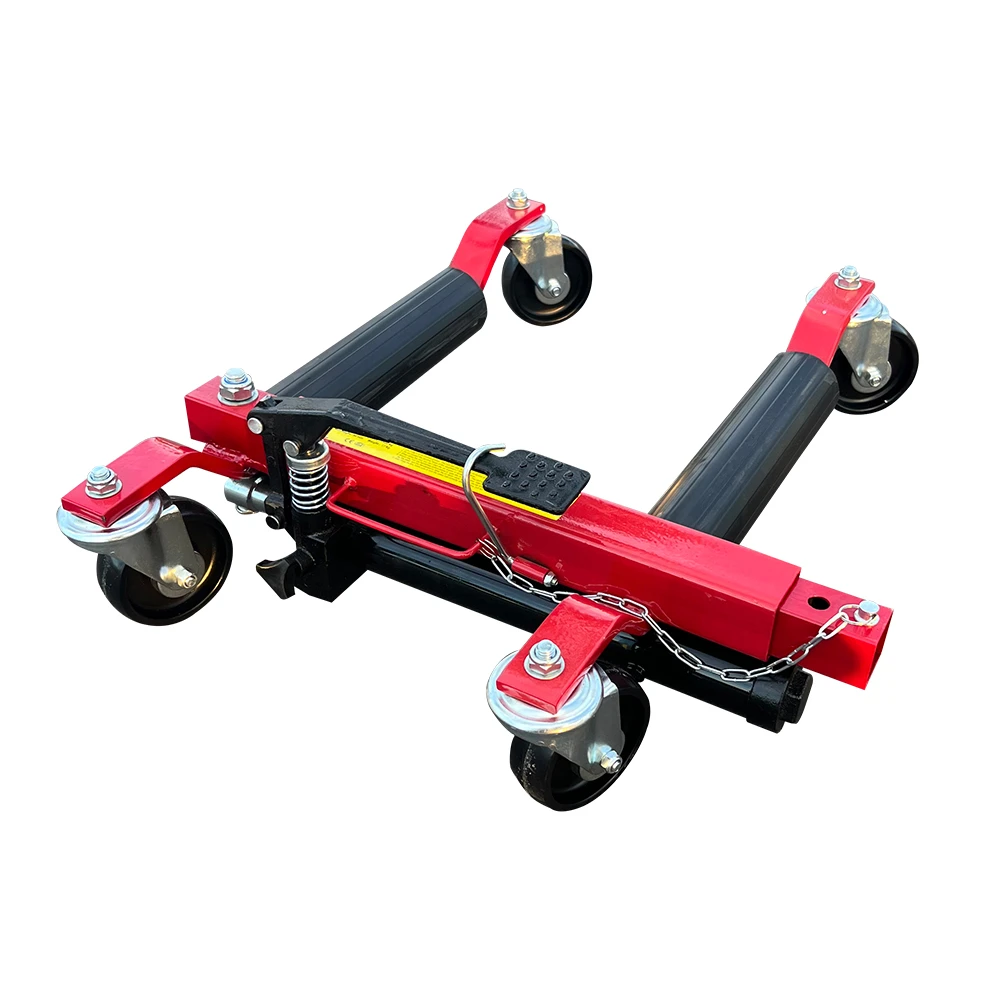
Car Jack Vehicle Mover Tow Dolly Universal Moving Tool Wheel Towing Trailer tools automatic car jack
-
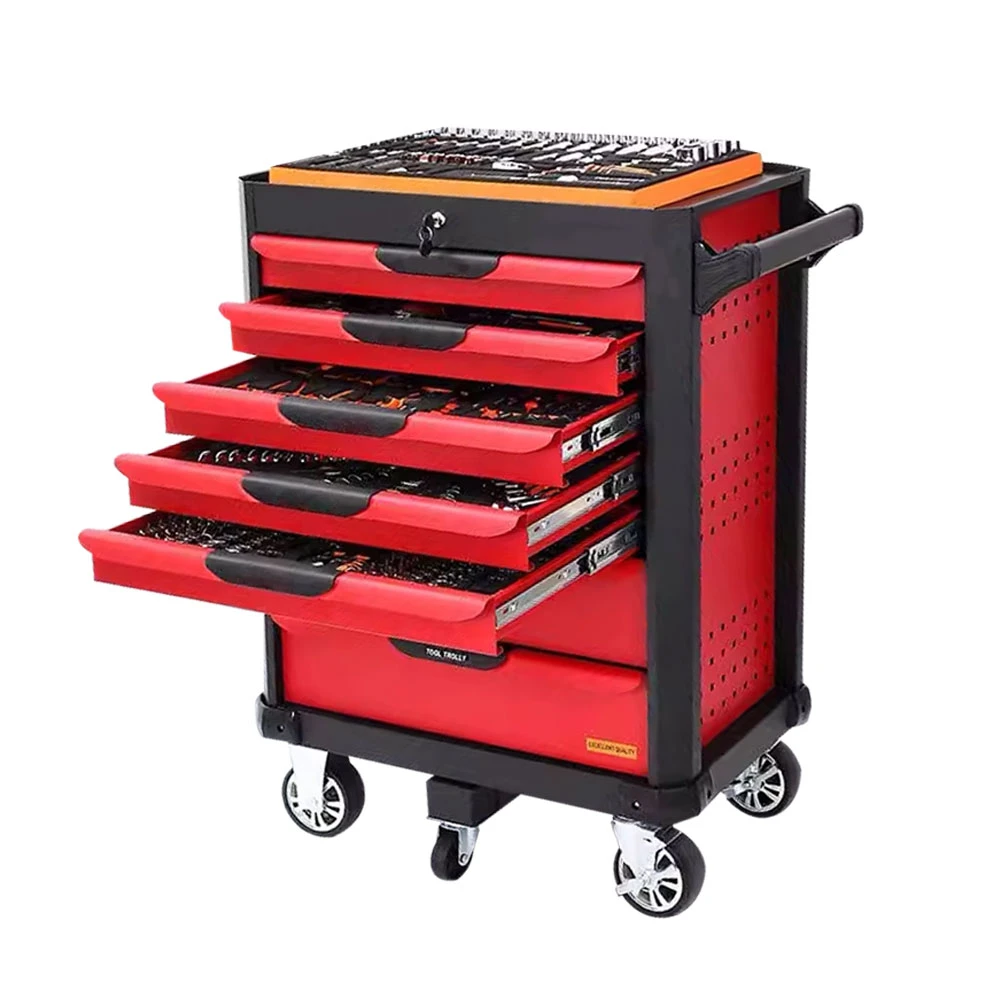
Professional All kind of Tools with Tool Cabinet, Workshop Trolley Cabinet
-
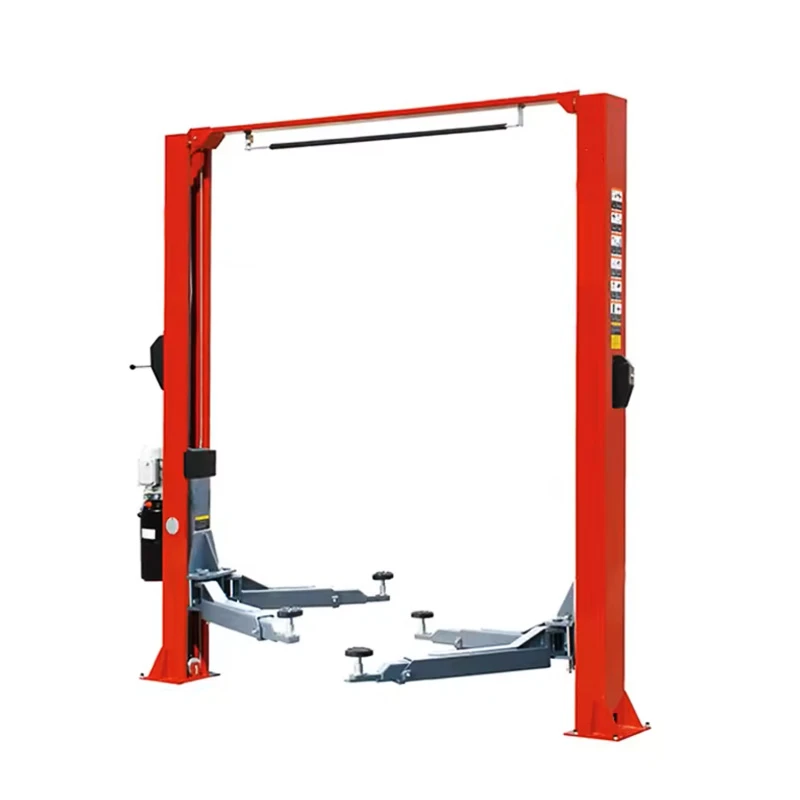
Electric Release Gantry Lifter 5t Two Post Hydraulic Used Truck Car Lifts For Sale
-
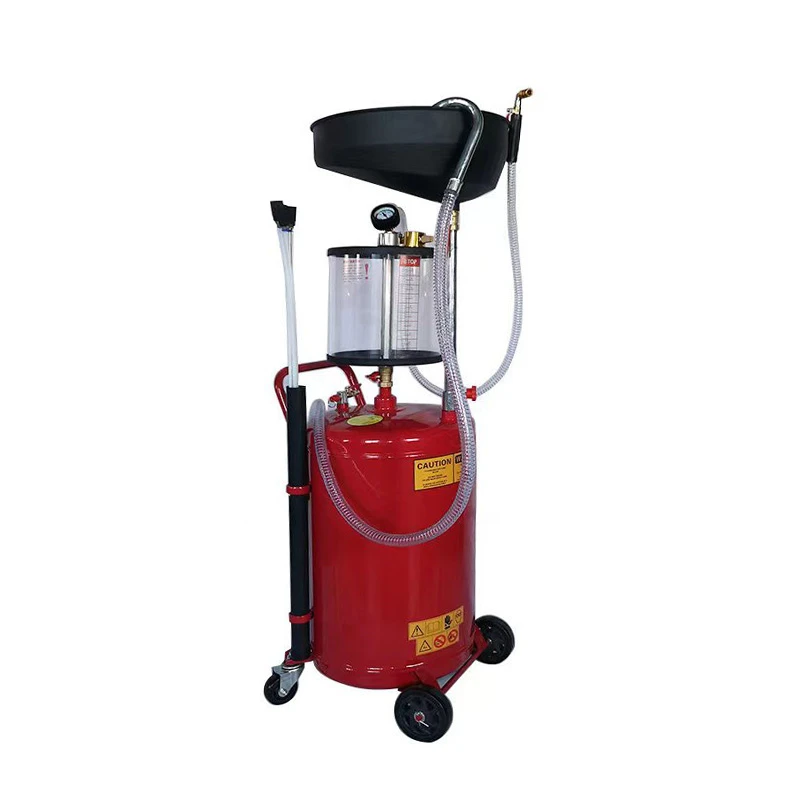
KJ-3197 Pneumatic Oil Extractor Waste Oil Changer Drainer with Lift Tank Auto Repair Tool
-
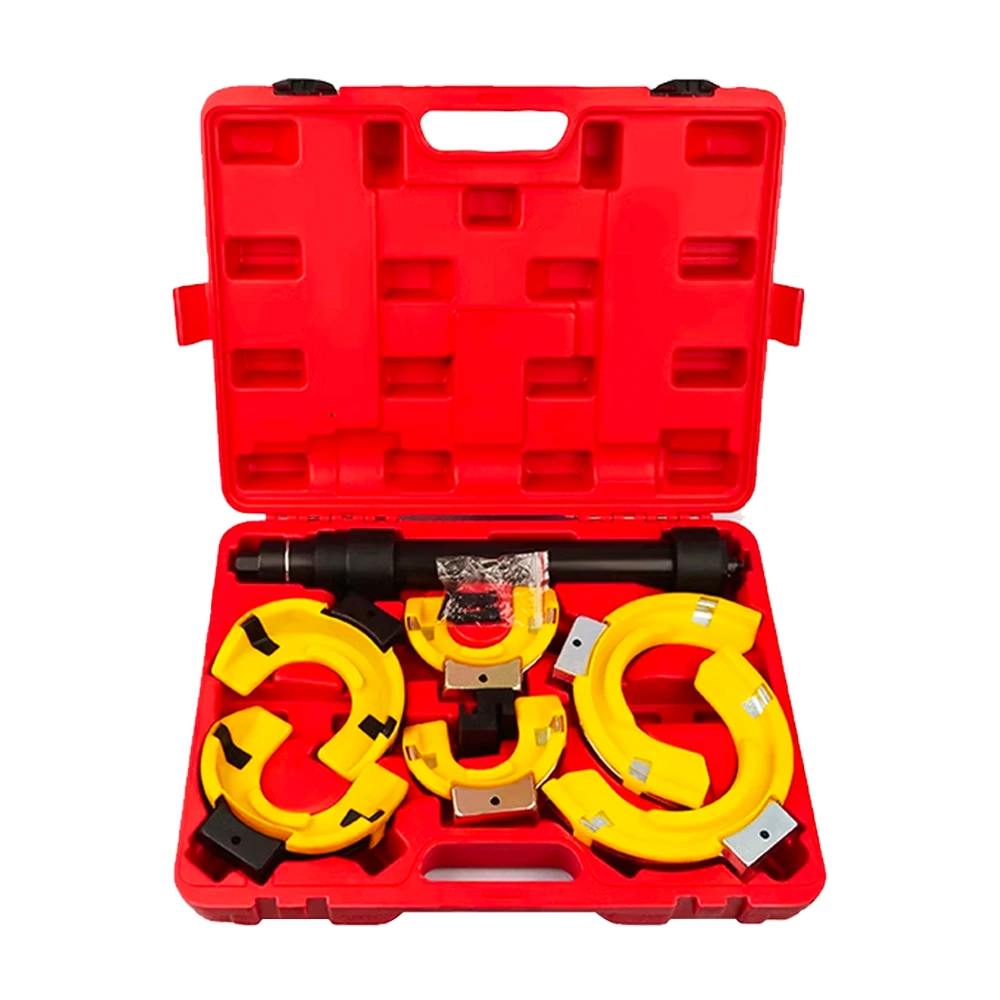
Powerful Spring Dumper Extractor Replaceable Shock Absorb Tools Strong Shock Absorber Spring Compressor Set
-
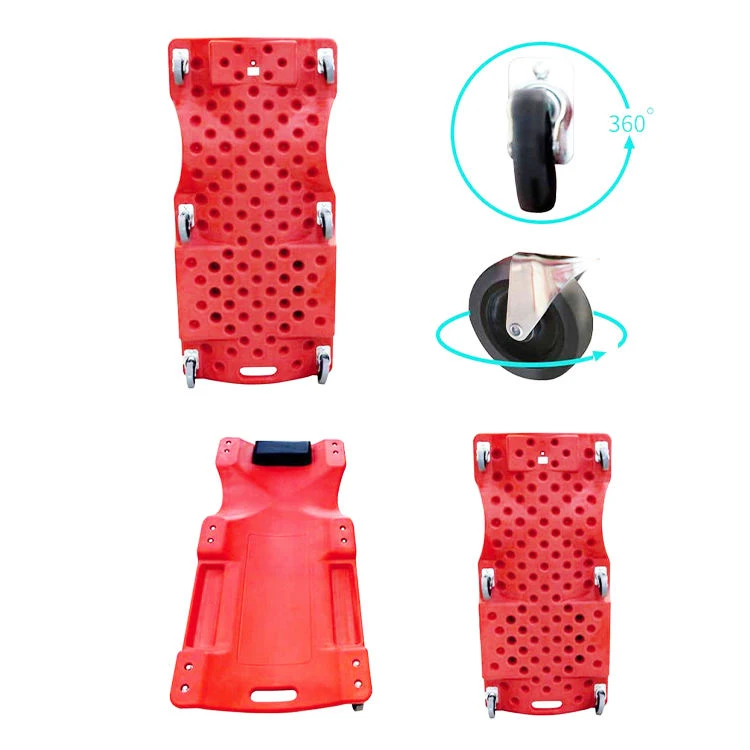
40 Inch 6 Wheel Plastic Workshop Garage Mechanics Tool Creeper Trolley Car Automotive Repair Mechanics Creeper
-
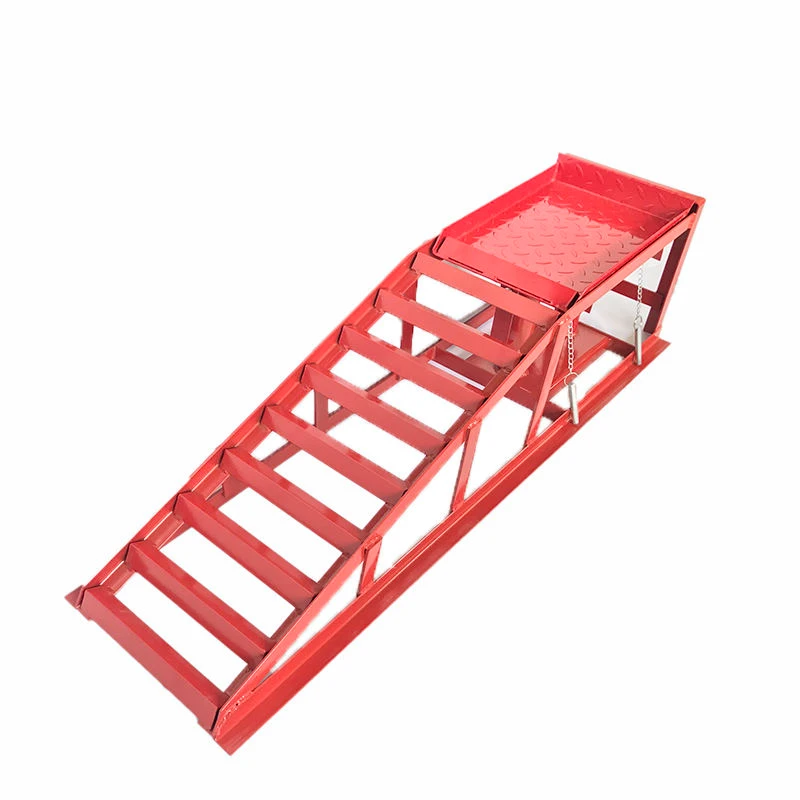
Plastic Car Ramp High Lift Auto Vehicle Car Ramp Portable Car Service Ramps
-
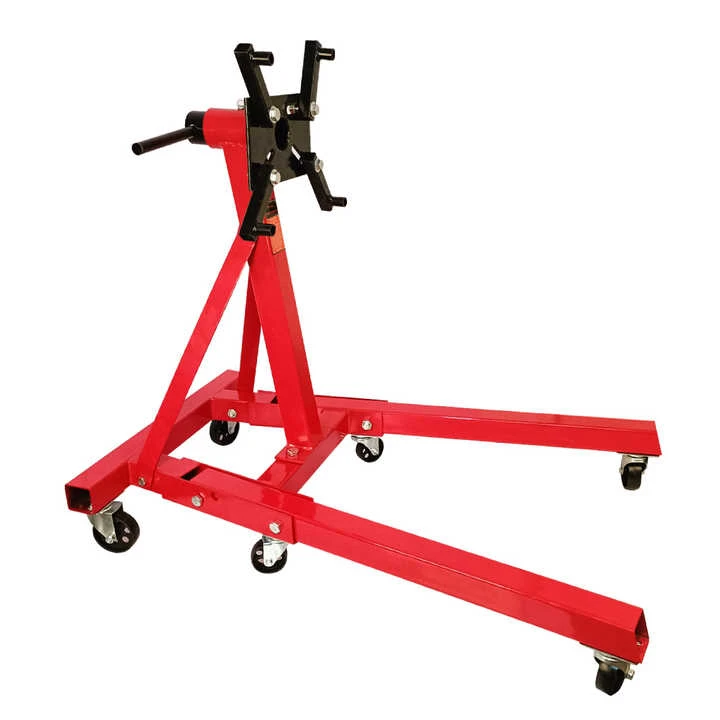
2000lb Car Engine Stand Gate Valve Machine Auto Tools Mechanical Transmission Jack With Stand Operation
-
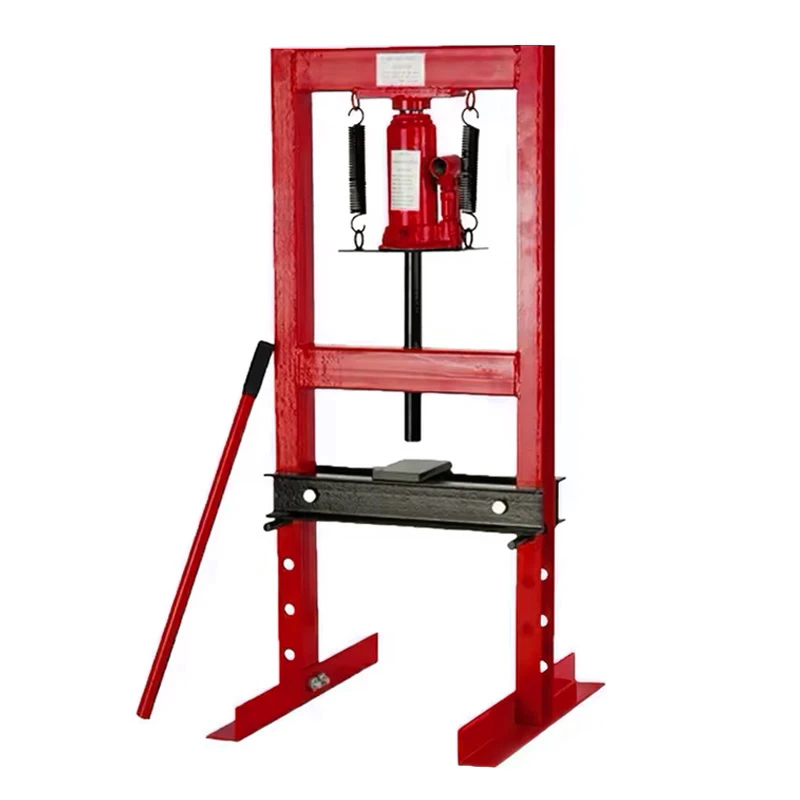
Manual Press Hand Type 6tons Hydraulic Shop Press H Frame Hydraulic Press
-
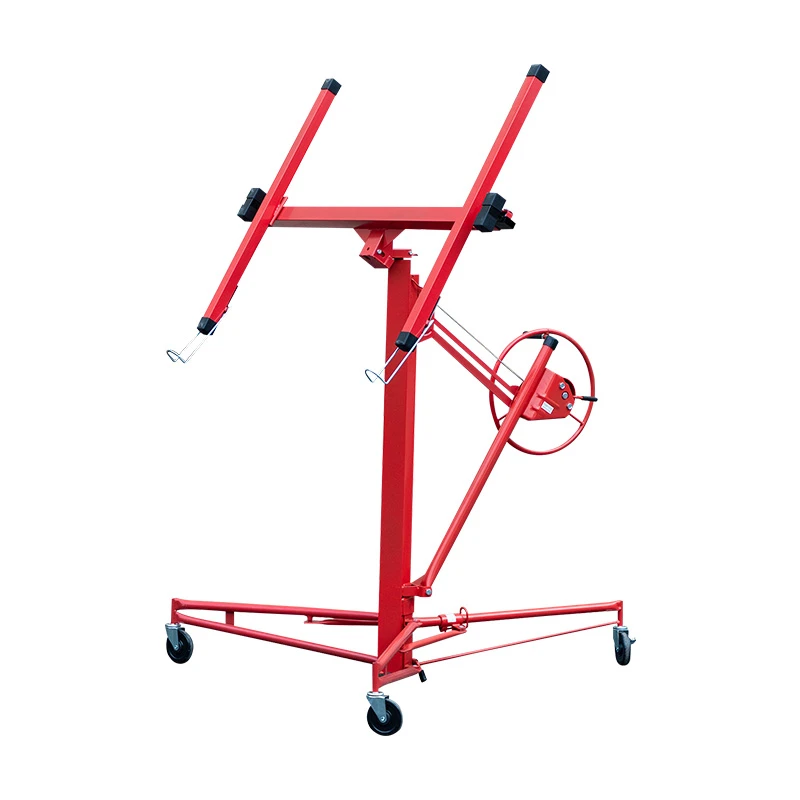
Easy-to-Use Manual Jack Lifter Construction Tools Drywall Hoist Lift Rolling Panel Drywall Rolling Lifter Panel
-
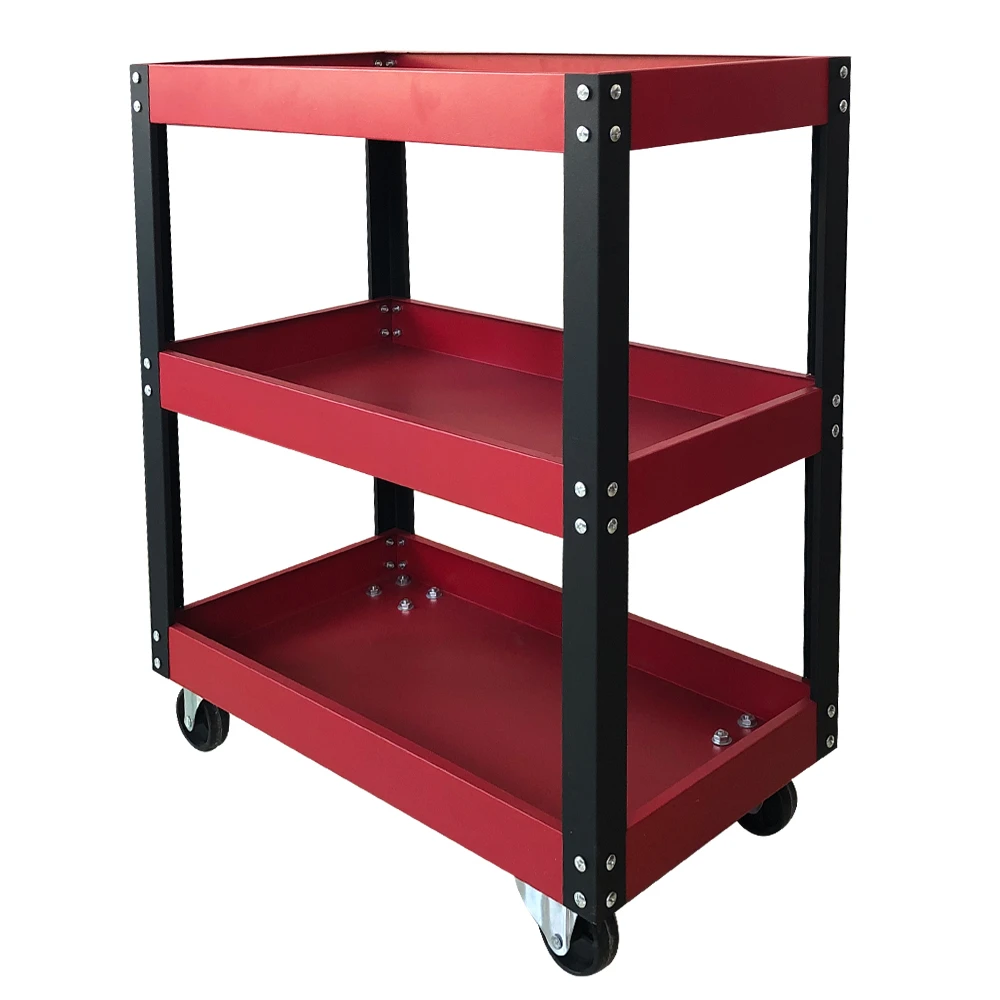
Auto Repair Tool Cart Roller Tools Box Set Mechanic Professional Cabinet for Workshop Garage Serving
-
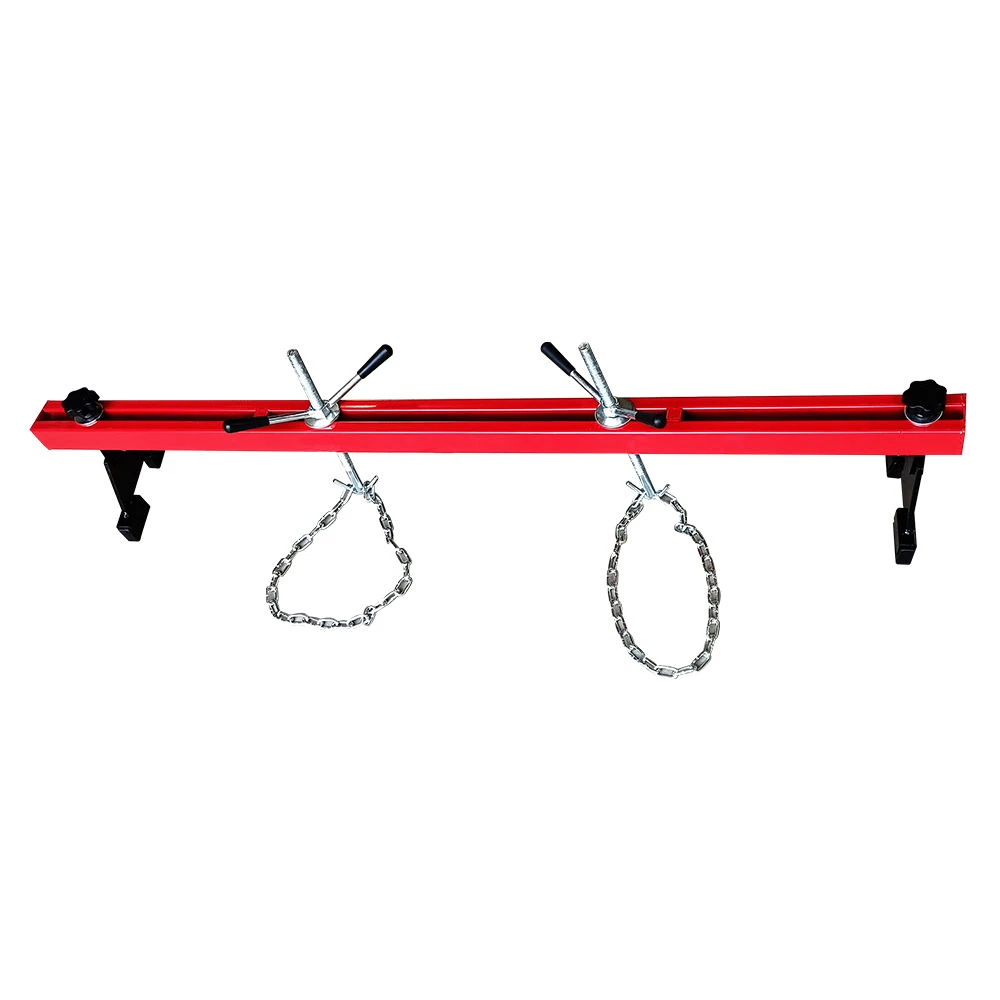
Oem Engine Support Bar 1100 Lbs Capacity Transverse Bar Engine Hoist 2 Point Lift Holder Hoist Dual Hooks Engine Bar
-
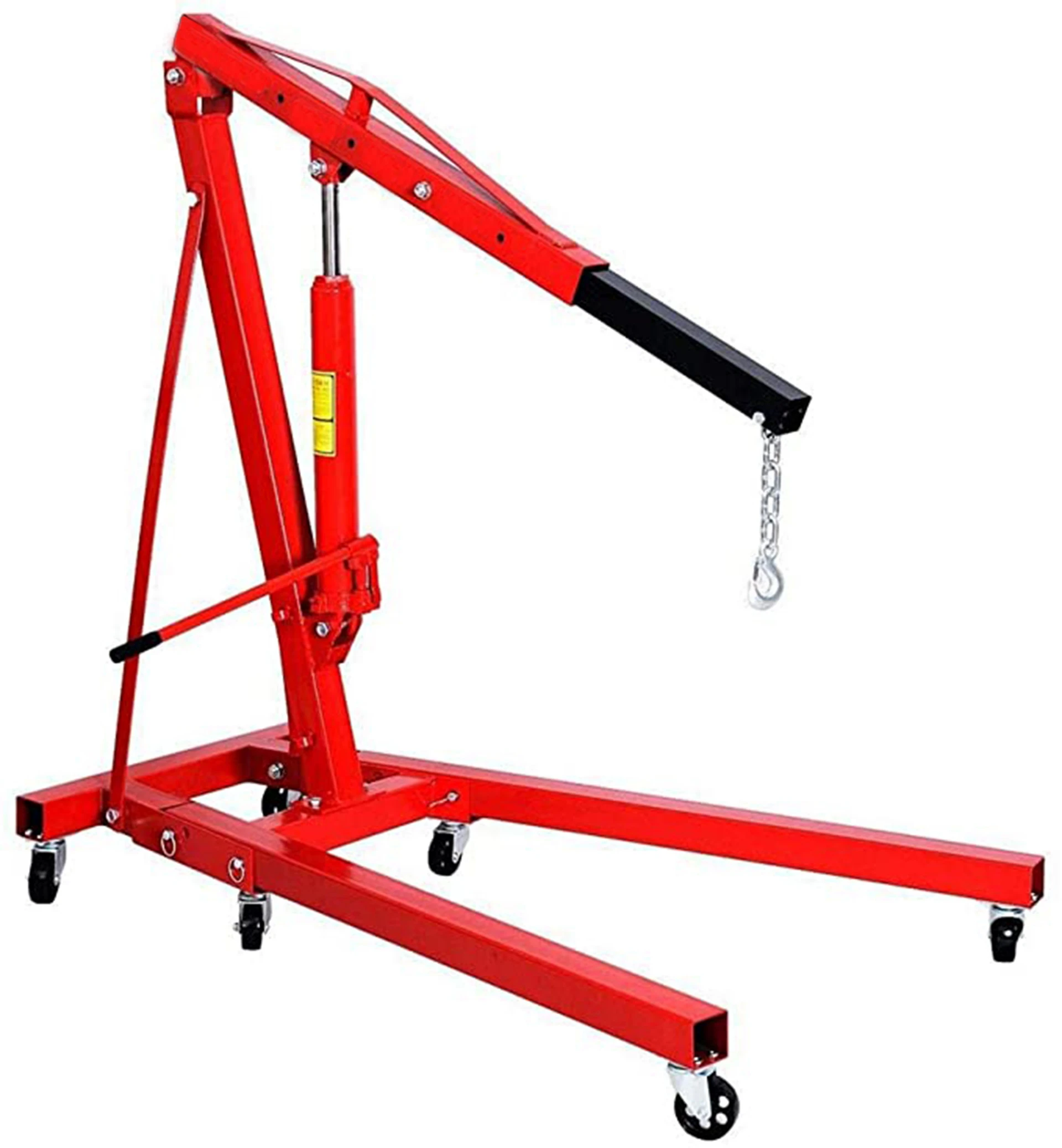
2 Ton Folding Shop Crane Lifting Machine Mini Truck Hydraulic Jack Engine Crane Folding Crane
-
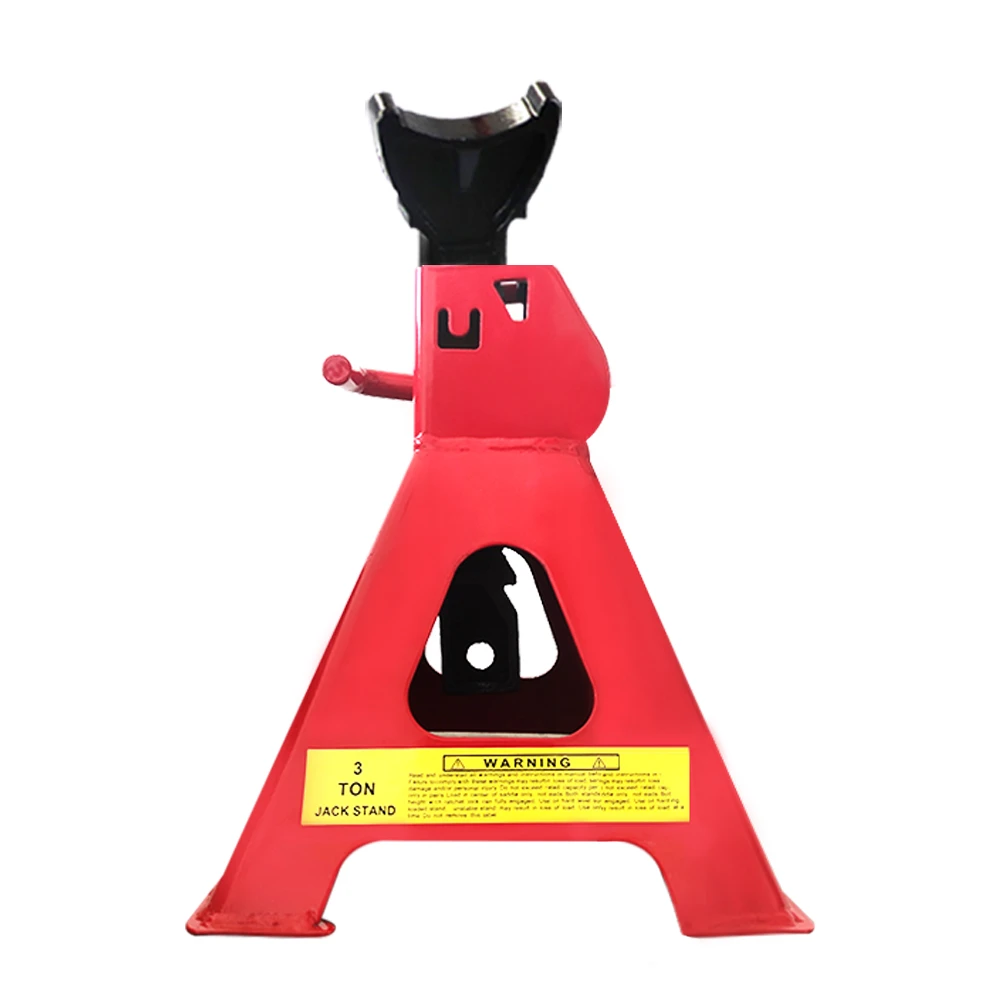
Heavy Duty Vehicle Support Car Jack Stand 3T 6T Adjustable Mobile Jack Stand
-
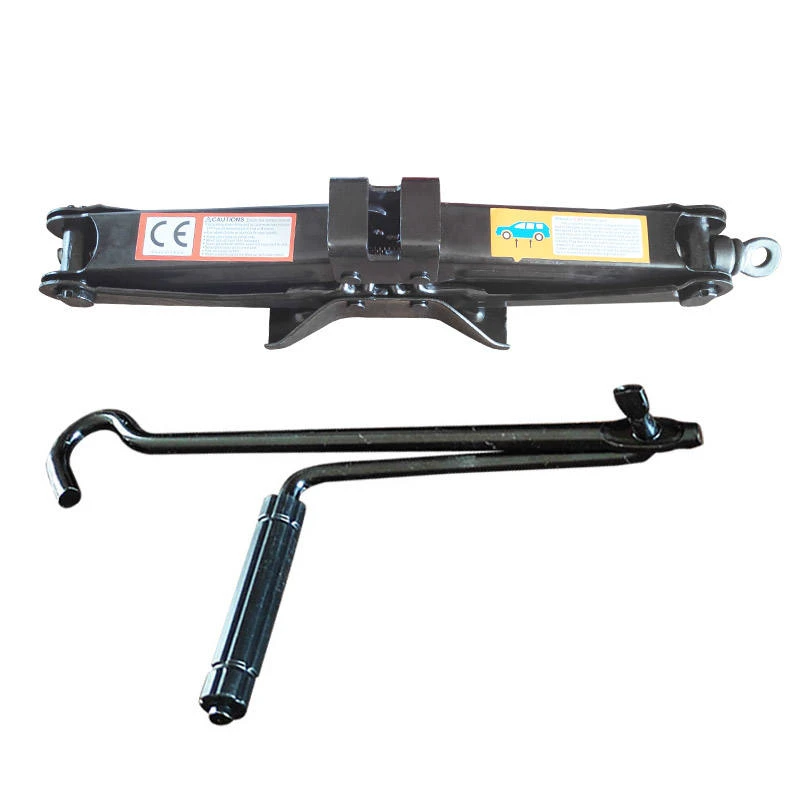
Car Lift Scissor Jack Steel Scissor Jacks Car Jack Portable
-
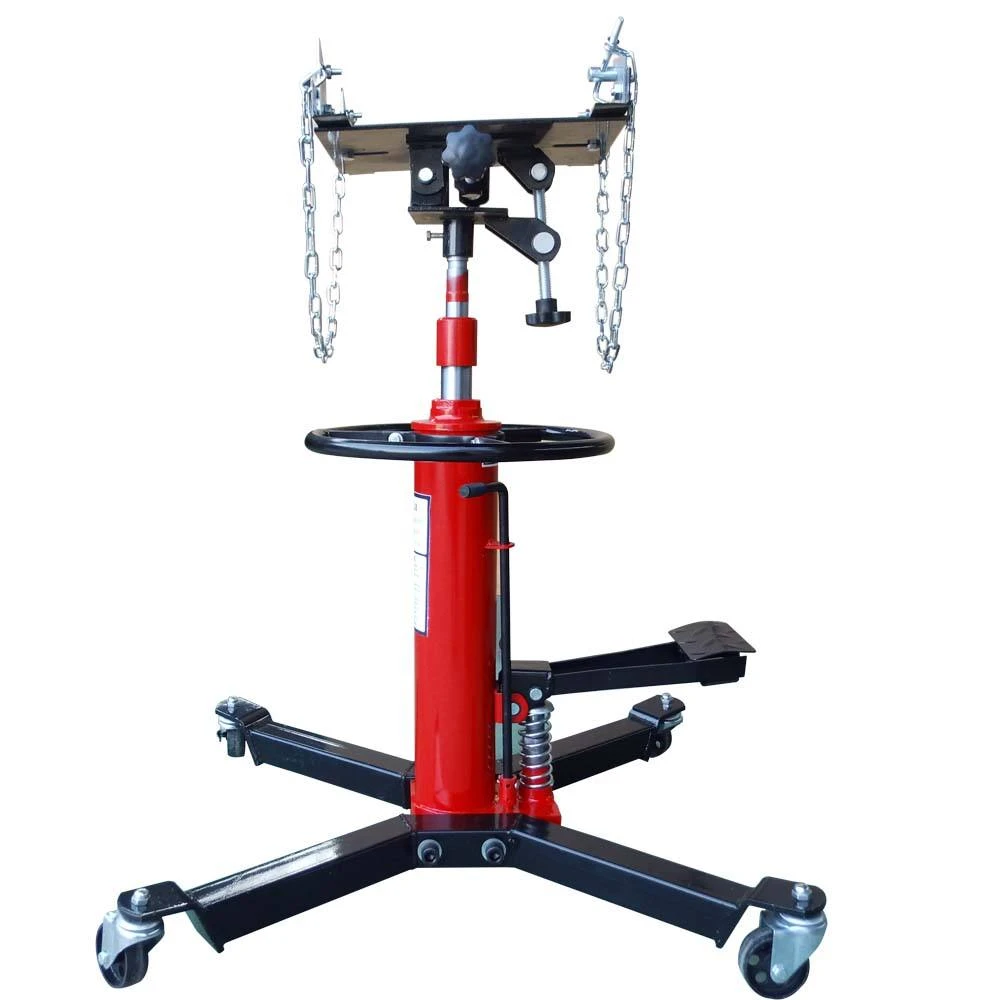
0.6T Professional Hydraulic Telescopic Transmission Jack Garage Equipment With CE For Car Engine Repair
Latest News
-
OEM Engine Support Bar 1100 Lbs | Longge Auto Tools
NewsMar.15,2026 -
Maximize Efficiency with a Robust 10 Drawer Tool Trolley for Your Workshop
NewsFeb.24,2026 -
Maximize Workshop Efficiency with a Robust 5 Drawer Rolling Tool Cabinet
NewsFeb.11,2026 -
Maximize Workshop Efficiency with the Robust 48 Tool Cabinet
NewsJan.30,2026 -
Comprehensive Guide to the 3 Ton Folding Engine Hoist for Automotive Lifting
NewsJan.28,2026 -
Comprehensive Guide to the Versatile 2 Ton Shop Crane for Workshop Use
NewsJan.27,2026 -
Maximize Engine Repair Efficiency with a 2 Ton Hydraulic Engine Hoist
NewsJan.27,2026
 English
  Arabic
  Bengali
  China
China  French
  German
  Hausa
Hausa  Indonesian
  Italian
  Japanese
  Javanese
  Malay
Malay  Persian
  Portuguese
  Punjabi
  Russian
  Spanish
  Swahili
  Telugu
  Vietnamese